
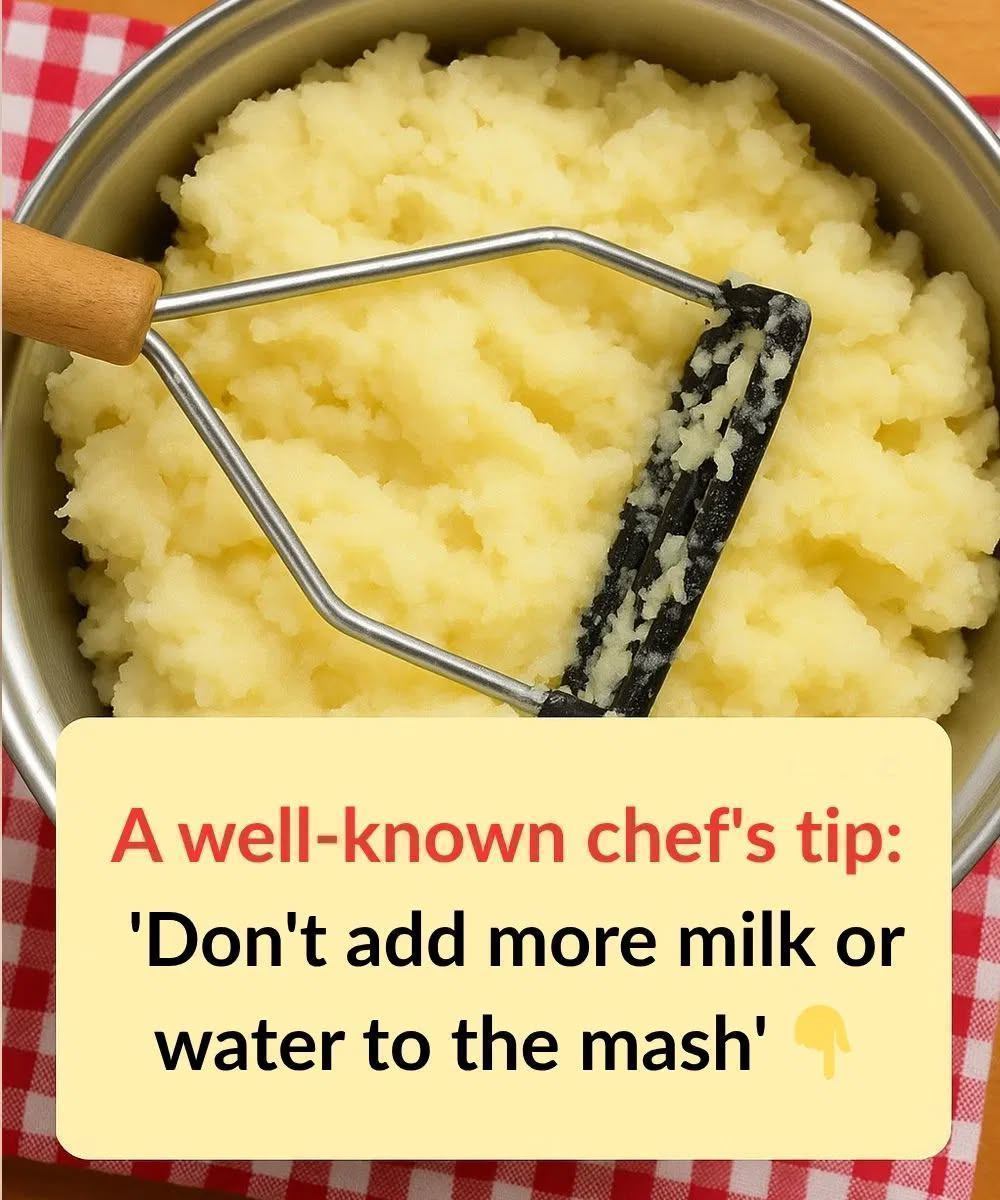
If you have been reaching for the milk carton every time you make mashed potatoes, a well-known chef wants you to put it back. While adding milk is one of the most widely taught techniques for creamy mash, professional cooks have known for years that it is far from the best approach. The real secret to achieving that impossibly smooth, velvety texture you get at top-tier steakhouses and fine dining restaurants has nothing to do with dairy — and you have probably been throwing it away every single time you cook potatoes.
The Secret Ingredient: Butter-Infused Potato Water
The ingredient that changes everything is the starchy water left behind after boiling your potatoes. Most home cooks drain it straight down the sink without a second thought. But that cloudy, starch-rich liquid is liquid gold when it comes to making truly exceptional mashed potatoes. When potatoes cook in boiling water, they release natural starches that transform the water into a powerful emulsifying agent. When you combine that starchy water with good butter, something magical happens — you get a silky, glossy binder that coats every bit of potato perfectly.
Unlike milk or water, which dilute the natural flavor of potatoes and can make the texture gluey or thin, butter-infused potato water amplifies the earthy, rich taste of the potatoes themselves. The result is a mash that is lighter, creamier, and far more flavorful than anything you can achieve with dairy. Once you try this technique, you will never go back.
Why Milk Actually Works Against You
Milk adds liquid, but it also introduces proteins and sugars that can interfere with the natural starch structure of your mashed potatoes. This is why milk-based mash often turns out either too heavy and dense or oddly thin and flat-tasting. Water is even worse — it adds no flavor and simply dilutes everything you are trying to build. The starchy cooking water, on the other hand, works with the potatoes rather than against them. It carries the flavor of the potato right back into the mash while creating a texture that is smooth without being heavy.
Professional chefs have been using this technique for decades in restaurant kitchens, but it rarely makes its way into home cooking guides. That is a shame, because it is incredibly simple, completely free, and produces dramatically better results than the traditional method.
