
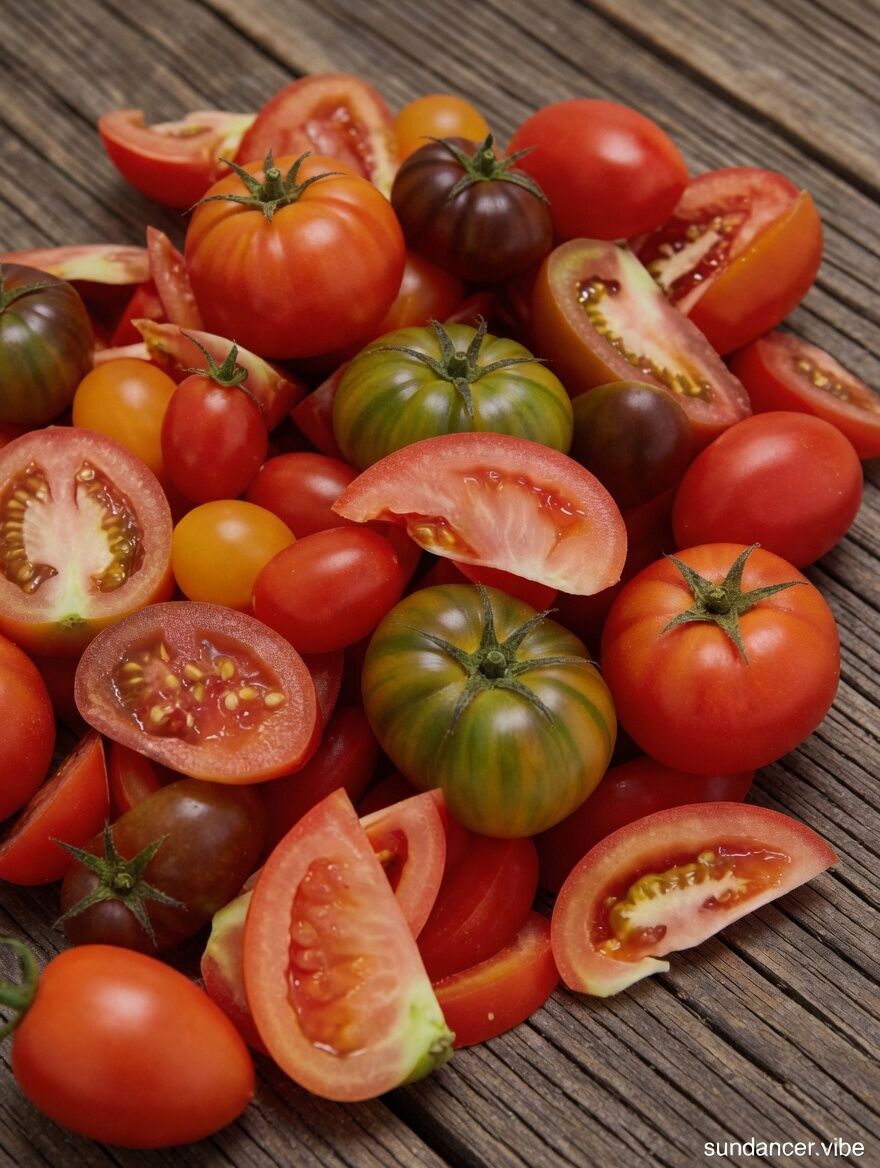
Scientists Reveal That Consuming Tomatoes Causes a Surprising Chain Reaction Inside the Human Body
Scientists reveal that consuming tomatoes sets off a surprisingly wide chain of biological reactions inside the human body that extends far beyond their simple appearance as a common kitchen ingredient. For most people, tomatoes are just part of everyday meals—sliced into salads, simmered into sauces, blended into soups, or eaten fresh with a pinch of salt. Yet behind this simplicity lies a complex nutritional profile that researchers have been studying for decades. What makes tomatoes particularly interesting is not just one nutrient, but the way multiple compounds work together once they enter the human system.
At the center of this interest is lycopene, a natural pigment responsible for the deep red color of ripe tomatoes. Lycopene belongs to a group of plant compounds known as carotenoids, which are known for their antioxidant properties. Antioxidants are important because they help neutralize unstable molecules in the body that can damage cells over time. Scientists believe that this process, while subtle, may contribute to long-term cellular protection when tomatoes are consumed regularly as part of a balanced diet. However, lycopene does not work alone. It interacts with other nutrients found in tomatoes, including vitamin C, potassium, folate, and various polyphenols, creating a nutritional synergy that continues to attract scientific attention.
What makes tomatoes even more fascinating is how their nutritional impact changes depending on how they are prepared. Unlike some foods that lose value when cooked, tomatoes often become more biologically available after heating. When tomatoes are cooked in sauces or soups, the structure of the plant cell walls breaks down, making lycopene easier for the body to absorb. This is one reason why tomato-based sauces are often highlighted in dietary studies. Additionally, when tomatoes are consumed with a small amount of healthy fat, such as olive oil, absorption of certain nutrients can increase significantly. This simple combination—tomatoes and fat—illustrates how food synergy can influence nutrition in ways many people do not realize.
One of the most widely studied areas of tomato consumption is heart health. Researchers have explored how regular intake of tomatoes may influence cholesterol balance, blood vessel function, and oxidative stress levels in the body. Potassium, naturally present in tomatoes, is known to play a role in maintaining normal blood pressure by helping balance sodium levels. At the same time, antioxidants like lycopene may help reduce oxidative stress, which is often associated with aging and strain on cardiovascular tissues.
While no single food can guarantee protection against heart-related conditions, tomatoes are frequently included in dietary patterns linked with better cardiovascular outcomes. Diets rich in plant-based foods, especially those containing fruits and vegetables like tomatoes, are often associated with improved long-term heart function. Scientists emphasize, however, that the benefits are not immediate or dramatic. Instead, they accumulate gradually through consistent dietary habits over time.
