
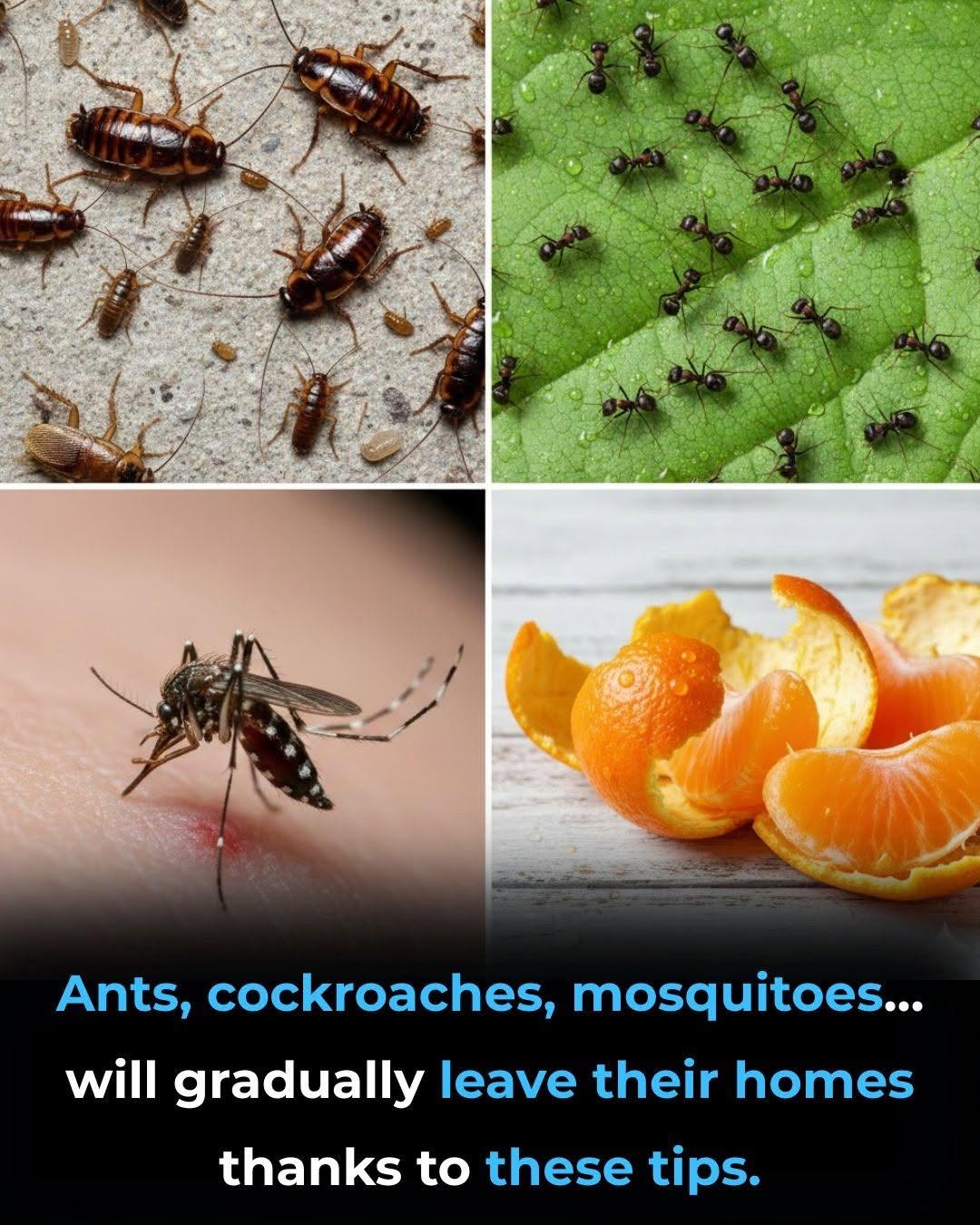
Mosquitoes: Natural Ways to Keep Household Pests Away
Few household problems are as frustrating as unwanted pests. Ants invade kitchens, cockroaches hide in dark corners, and mosquitoes turn peaceful evenings into a battle against itchy bites.
While commercial insecticides are widely available, many people prefer natural alternatives that are inexpensive, easy to use, and free from harsh chemicals.
Although no single method guarantees complete elimination, several natural approaches may help discourage pests from settling in your home.
Let’s explore practical ways to help reduce the presence of cockroaches, ants, and mosquitoes using common household ingredients and plants.
Natural Methods to Discourage Cockroaches
Cockroaches are attracted to food, moisture, warmth, and dark hiding places. The most effective long-term strategy is maintaining cleanliness and eliminating access to food and water.
However, some natural scents and household remedies may also help discourage them.
1. Onion Slices
Many homeowners believe the strong aroma of onions may help deter cockroaches from certain areas.
Place freshly chopped onion slices in areas where cockroaches are frequently seen.
Replace the onions regularly as they begin to dry out.
2. Cucumber Slices
Fresh cucumber slices are another traditional household remedy.
Place slices near pantries, cabinets, or known cockroach pathways.
Replace them every few days to maintain freshness.
3. Citrus Peels
Orange and lemon peels provide a pleasant scent for people while potentially discouraging certain insects.
You can:
- Place dried peels in cabinets and drawers
- Add them to pantry shelves
- Use them as natural room fresheners
4. Vinegar for Cleaning
White vinegar is useful for cleaning surfaces and removing food residues that attract pests.
Regularly wiping kitchen counters, floors, and cabinets with a diluted vinegar solution may help reduce cockroach activity by removing food odors.
5. Reduce Food Sources
The most effective cockroach control method remains:
- Cleaning food spills immediately
- Storing food in sealed containers
- Taking out trash regularly
- Repairing water leaks
Natural Ways to Discourage Ants
Ants rely heavily on scent trails to locate food sources and communicate with other members of the colony.
Disrupting those trails is often one of the easiest ways to reduce their activity indoors.
1. Lemon Juice
The acidity of lemon juice can interfere with ant scent trails.
Apply fresh lemon juice:
- Near entry points
- Along ant trails
- Around windows and doors
Repeat as needed after cleaning or rainfall.
2. Peppermint Oil
Peppermint oil is a popular natural repellent.
Mix a few drops with water in a spray bottle and apply around:
- Doorways
- Windows
- Baseboards
- Known ant pathways
Many people enjoy the fresh scent while discouraging insect activity.
3. Eucalyptus Oil
Eucalyptus oil may also help reduce ant activity.
Use it similarly to peppermint oil around entry points and problem areas.
4. Soap and Water Spray
A simple soap-water mixture can remove scent trails and help eliminate visible ants.
Spray directly on ant trails and wipe clean afterward.
5. Baking Soda and Sugar Mixture
A mixture of baking soda and powdered sugar is a commonly used household remedy.
Place small amounts near ant pathways while keeping it away from children and pets.
6. Seal Entry Points
Prevention is often more effective than treatment.
Inspect your home for:
- Small wall cracks
- Gaps around pipes
- Window openings
- Door gaps
Sealing these openings can significantly reduce ant invasions.
Natural Methods to Reduce Mosquitoes Around the Home
Mosquitoes are more than just annoying—they can also carry diseases in some regions.
Reducing breeding sites remains the most important mosquito-control strategy.
1. Eliminate Standing Water
Mosquitoes lay eggs in stagnant water.
Regularly empty:
- Flower pot trays
- Bird baths
- Buckets
- Outdoor containers
- Blocked gutters
This single step can dramatically reduce mosquito populations.
2. Mint Plants
Mint is often grown around homes because of its refreshing aroma.
Some people use fresh mint leaves indoors as a natural mosquito deterrent.
Planting mint near patios or windows may also be helpful.
3. Citrus Peels
Dried orange and tangerine peels have traditionally been used to discourage insects.
Their fragrance is pleasant to many people while helping freshen indoor spaces.
4. Marigolds
Marigolds are popular garden flowers often associated with insect control.
Planting them around patios, balconies, and garden areas may help reduce mosquito activity.
5. Fragrant Garden Plants
Several aromatic plants are commonly grown for their insect-repelling reputation, including:
- Mint
- Lavender
- Geraniums
- Lemon-scented plants
- Citronella varieties
6. Window Screens and Fans
One of the simplest ways to discourage mosquitoes is improving airflow.
Mosquitoes are weak flyers and often avoid strong air currents.
Fans, screened windows, and screened doors can provide significant protection.
Final Thoughts
Natural pest-control methods can be useful additions to a broader prevention strategy.
While onions, citrus peels, essential oils, and aromatic plants may help discourage certain pests, the most reliable results usually come from addressing the conditions that attract them in the first place.
For cockroaches, focus on cleanliness and moisture control.
For ants, remove food sources and block entry points.
For mosquitoes, eliminate standing water and improve airflow.
By combining good household habits with natural remedies, you can create an environment that is far less inviting to unwanted pests while keeping your home fresh, comfortable, and chemical-free.
