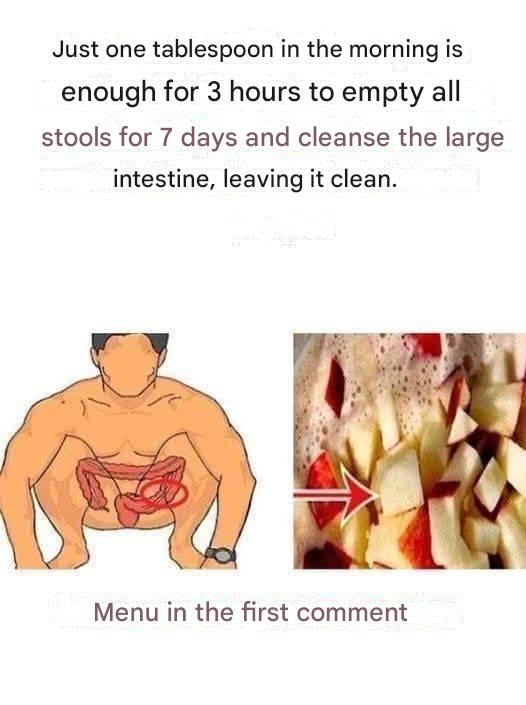
Constipation: Here are 3 natural ways to ease bowel movements, according to a dietitian.

Advertisement

Constipation can also be treated with natural methods. A dietitian reveals three remedies you can use. These are products you already have in your kitchen. You don’t have to look far.

Constipation is a difficult intestinal disorder that’s difficult to manage on a daily basis. It’s often accompanied by abdominal pain of varying severity. Medications are available to get rid of it, but there are also natural solutions. Dietitian Flore Dumas, better known as @happydiet.therapy, suggests exploring three of them. These are food products, and unlike psyllium, which we discussed in the previous article, they are more readily available because they’re already found in our kitchens.

Advertisement

1. Pour old gel into the intestines, use kiwi.

The dietitian explains that kiwi is “rich in fiber, especially soluble fiber.” This is an essential nutrient in fighting the disease because “soluble fiber forms a gel in the intestines that facilitates bowel movements.” She adds that the presence of actinidin in kiwi is very important. In fact, “it’s an enzyme that helps break down proteins, which aids in their digestion.”

2. Coffee for Gut Stimulation

The healthcare specialist admits that kiwi isn’t her favorite food for constipation. For this reason, she advises against excessive consumption. However, she acknowledges that caffeine has a stimulating effect on the central nervous system. It can increase intestinal muscle stimulation and stimulate peristalsis, or bowel movements. Furthermore, caffeine also has a diuretic effect, promoting water absorption through the urine rather than from the colon. As a result, it leaves enough water for stool formation.

3. Vitamin C for Connective Tissue

“It will support your immune system,” the dietitian begins. She points out that “you can consume up to 6 grams a day, but you shouldn’t exceed this amount.” She concludes by explaining the benefits of vitamin C. “It supports the production of collagen, an important protein for the connective tissue found in the intestinal walls.” She adds that vitamin C “is a very important antioxidant and has anti-inflammatory effects. A healthy gut means well-functioning gut.”

To put this advice into practice, you should eat foods rich in vitamin C. You’ll find high levels of it in citrus fruits, red fruits, cabbage, spinach, broccoli, and bell peppers.

Advertisement

Leave a Reply

Your email address will not be published. Required fields are marked *