
Did You Know? Here’s What Actually Changes as Men Get Older
As men age, the body naturally goes through many physical and hormonal changes. While much of the attention is often focused on gray hair, wrinkles, or reduced energy levels, changes in sexual health are also a normal part of aging. Understanding these changes can help reduce unnecessary worry and encourage healthier conversations about men’s well-being.
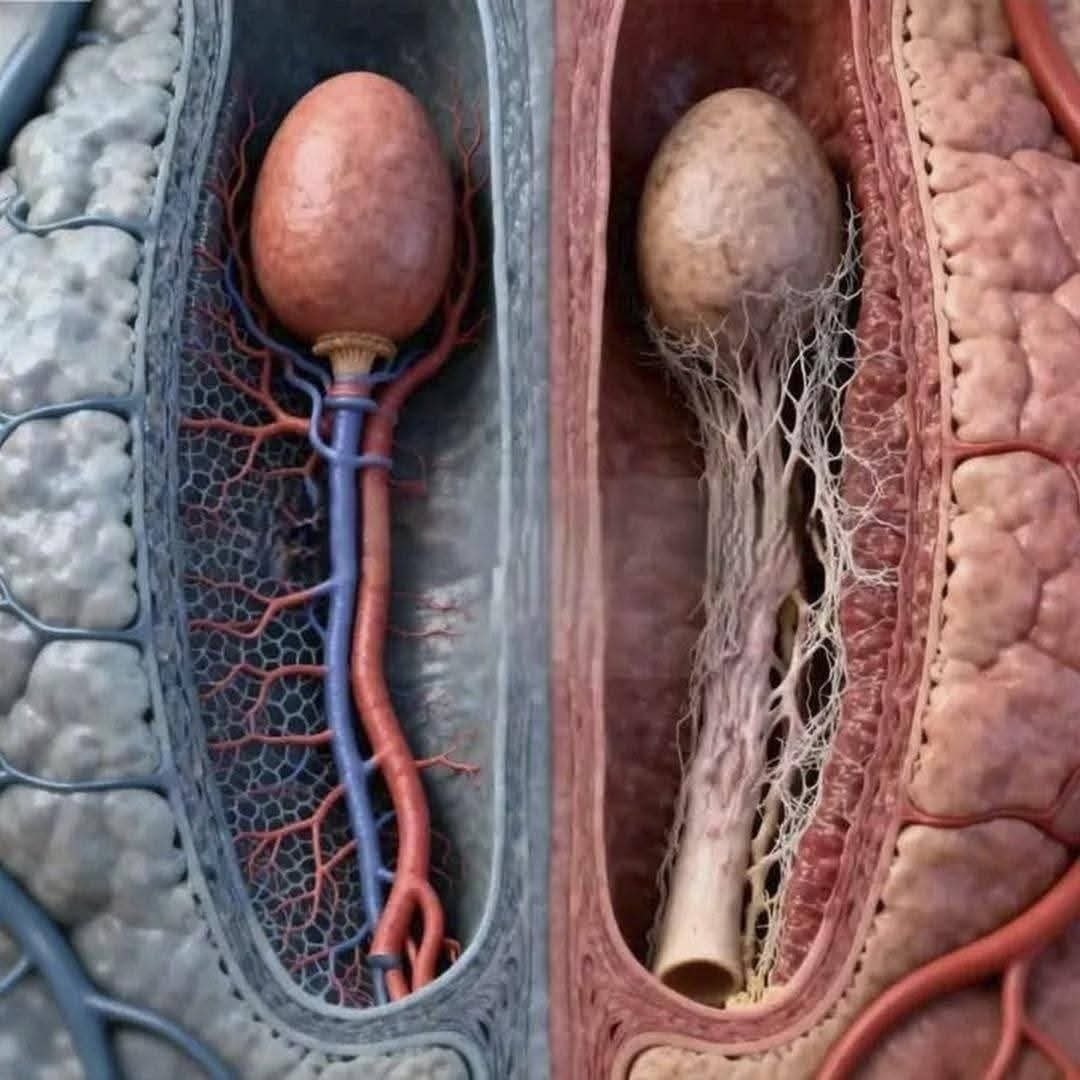
One of the most significant changes is a gradual decline in testosterone, the primary male sex hormone. Testosterone levels typically begin to decrease slowly after the age of 30, although the rate varies from person to person. This natural decline can influence energy levels, muscle mass, mood, bone density, and sexual desire.
Many older men also notice changes in sexual function. Erections may take longer to achieve, may not be as firm as they were in younger years, and recovery time between erections often increases. These changes are considered a normal part of aging, although sudden or severe difficulties should be discussed with a healthcare provider because they may signal an underlying medical condition.
Blood circulation also plays an important role. Conditions such as high blood pressure, diabetes, obesity, and heart disease become more common with age and can affect blood flow throughout the body, including to the penis. Because of this, erectile dysfunction is often linked to overall cardiovascular health rather than age alone.
The prostate gland also changes over time. Many men develop benign prostatic hyperplasia (BPH), a non-cancerous enlargement of the prostate that can lead to frequent urination, difficulty starting or stopping urine flow, or the feeling that the bladder is not completely empty. Although BPH is common, these symptoms should still be evaluated by a healthcare professional.
See more in the next page…
