
8. Breakfast Cereals
Dry cereals can safely be consumed for 6 to 12 months past their printed best-by date. The main change you might notice is a slight staleness or loss of crunchiness — the cereal may taste a bit flat compared to when it was fresh. But it will not be dangerous or harmful. Cereals stored in sealed containers in a cool, dry pantry hold up particularly well past their dates.
9. Bread
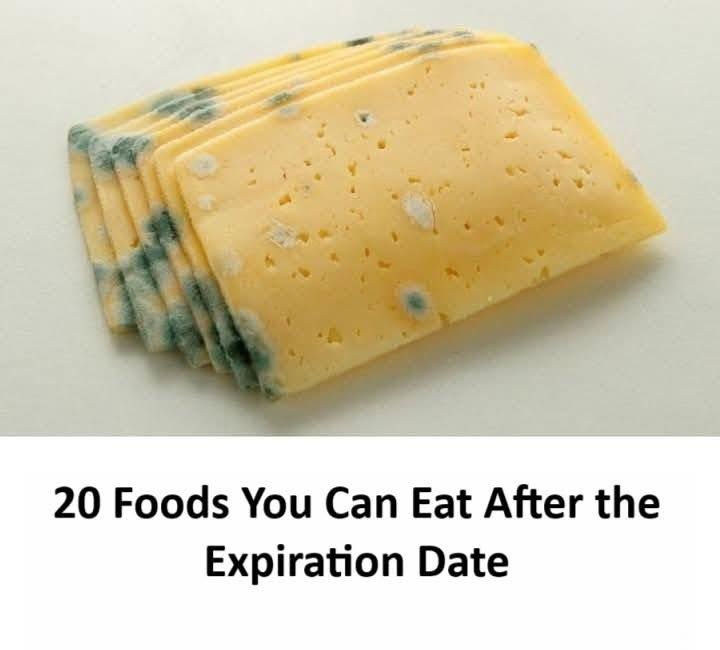
Bread stored at room temperature is typically safe for 5 to 7 days past its printed date, longer if kept in the refrigerator. The key safety indicator to watch for is mold — if you see any mold on bread, discard the entire loaf, as mold spores spread invisibly through soft bread long before they become visible. Bread that has simply gone stale without any mold is entirely safe to eat — toasting it will restore much of its appeal.
10. Butter
Unopened butter stored in the refrigerator can safely be used for 1 to 3 months past its printed date. If butter starts to taste or smell rancid — a sharp, sour, somewhat chemical flavor — it has oxidized and should be discarded. But properly stored butter takes considerably longer than the printed date to reach that point. Butter can also be frozen for up to a full year without significant quality loss.
11. Condiments
Most condiments are heavily preserved and last significantly longer than their labels suggest. Ketchup and mustard can typically be safely used for up to one year past their printed dates when refrigerated after opening. Soy sauce can last nearly indefinitely. Mayonnaise stays safe for approximately one month past its date when consistently refrigerated. Vinegar-based condiments like hot sauce and pickles are extremely resistant to spoilage due to their high acidity.
12. Honey
Honey is perhaps the ultimate long-lasting food — archaeologists have discovered edible honey in ancient Egyptian tombs that was thousands of years old. Pure honey has an essentially indefinite shelf life due to its low moisture content, natural acidity, and antimicrobial properties. Honey may crystallize over time, which changes its texture but does not affect its safety at all. Simply warm the jar gently in warm water to return it to a liquid state.
