
In a separate bowl, beat the eggs with a whisk or hand mixer until pale, light, and slightly fluffy—about 2–3 minutes.
3. Temper the Eggs
Slowly pour about ½ cup of the warm milk mixture into the beaten eggs while whisking constantly. This “tempering” step prevents the eggs from scrambling when combined with the hot liquid.
Gradually whisk the tempered egg mixture back into the remaining milk mixture. Stir in the vanilla extract and salt until fully incorporated.
4. Fill & Bake
Pour the custard evenly into your ramekins or baking dish.
Carefully place the roasting pan (with custard inside) into the preheated oven.
Pour hot water into the roasting pan until it reaches ½ inch up the sides of the custard dishes. This water bath (bain-marie) ensures gentle, even cooking and prevents cracking.
Bake:
Ramekins: 55–60 minutes
2-quart dish: 1 hour 35–40 minutes
The custard is done when the edges are set but the center still jiggles slightly, and a knife inserted near the center comes out clean.
5. Cool & Serve
Remove the custard from the water bath and let cool at room temperature for 1 hour.
Sprinkle generously with freshly grated nutmeg—the warmth enhances its aroma beautifully.
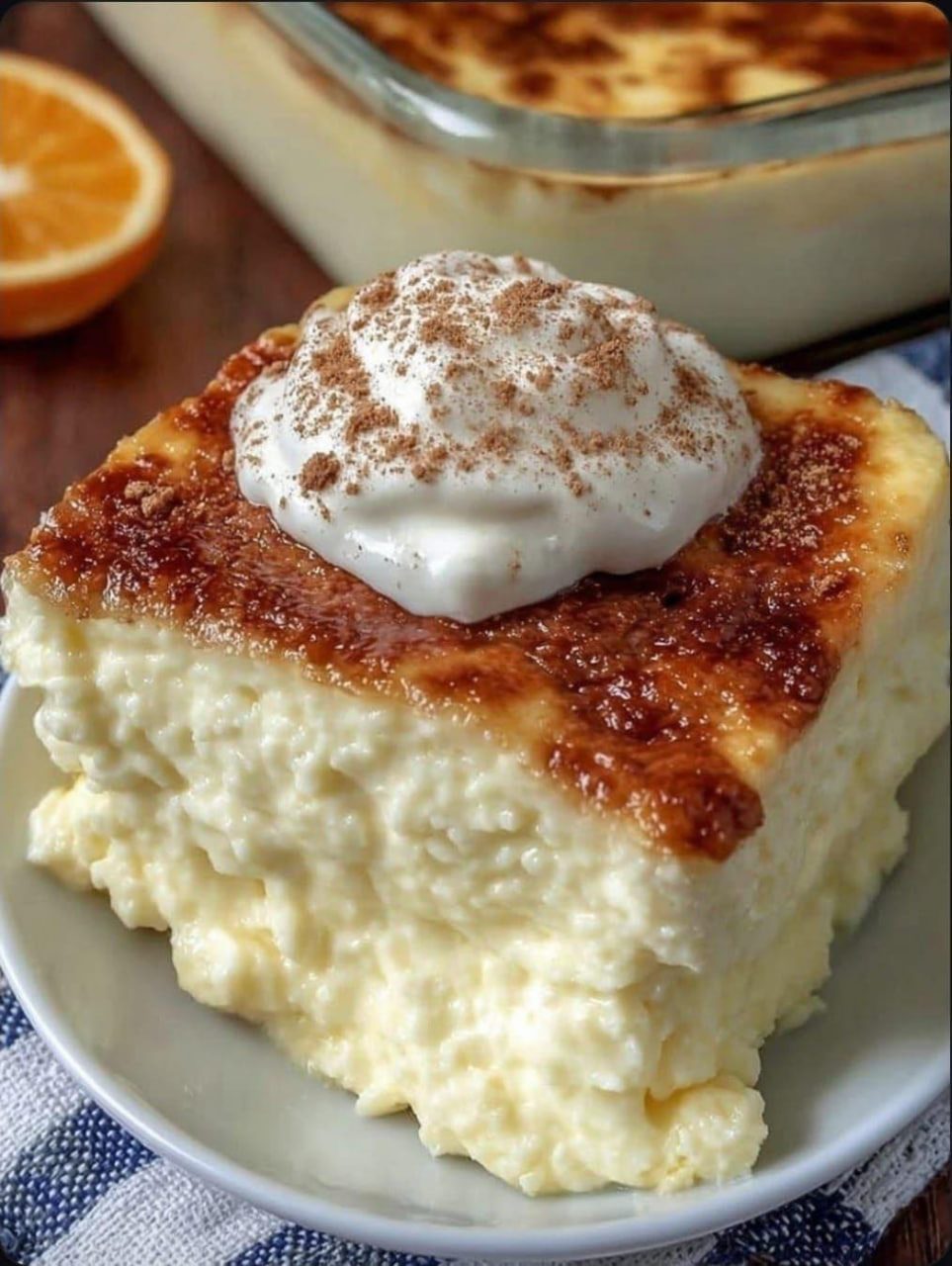
Serve warm for a comforting dessert, or chill for 2–4 hours for a cool, silky treat.
Serving Suggestions
Top with whipped cream or fresh berries
Pair with shortbread cookies or buttery pound cake
Drizzle with caramel sauce or maple syrup for extra indulgence
Serve alongside apple pie or peach cobbler for a double dessert
Frequently Asked Questions
Can I use evaporated milk instead?
No—sweetened condensed milk provides both sweetness and richness. Evaporated milk is unsweetened and will result in a bland, thin custard.
