
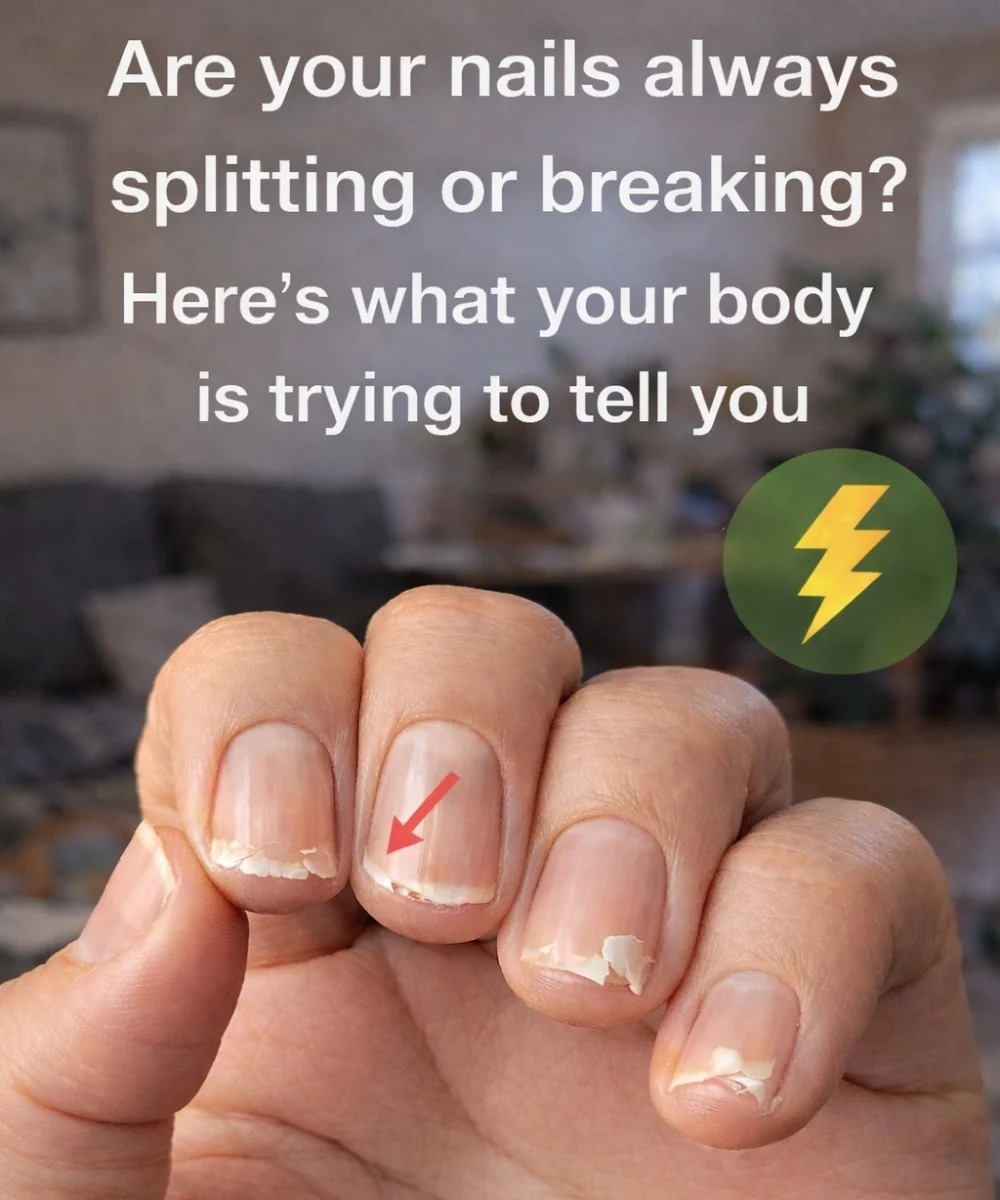
Practical Ways to Support Stronger Nails
Ready to make some changes? Here are evidence-based habits many people find helpful:
- Wear cotton-lined rubber gloves for wet tasks like washing dishes or cleaning. This protects against moisture loss and harsh chemicals.
- Apply a fragrance-free hand lotion or cuticle oil after every hand wash and before bed. Ingredients like jojoba oil help lock in hydration.
- Keep nails trimmed short and file gently in one direction only. Avoid metal files or aggressive buffing.
- Eat a varied diet rich in protein (eggs, fish, beans), iron (leafy greens, fortified cereals), and healthy fats (avocados, nuts).
- Drink plenty of water throughout the day to support overall hydration.
Advertisement
For quick reference, here’s a simple comparison table:
| Approach | How It Helps | Practical Tip |
|---|---|---|
| Protective Gloves | Shields from water and irritants | Use for all wet chores; air-dry inside out |
| Daily Moisturizing | Restores natural oils and flexibility | Massage into nails and cuticles twice daily |
| Balanced Nutrition | Supplies building blocks for keratin | Add one nutrient-rich food per meal |
| Gentle Filing | Prevents tearing of nail layers | File in one direction only, rounded shape |
Step-by-Step Plan to Get Started
- Observe your current routine for a few days—note how often hands get wet or exposed to chemicals.
- Purchase or locate a pair of good gloves and commit to using them for the next week.
- Choose a simple hand lotion and place it by every sink as a reminder.
- Add small dietary tweaks, such as a handful of nuts as a snack or salmon twice a week.
- Check progress after 4–6 weeks. Take photos to compare if you like.
Most people notice gradual improvement with consistency—nails grow about 3-3.5 mm per month, so patience pays off.
When to Consult a Healthcare Professional
If you’ve made lifestyle adjustments for 2–3 months without seeing change, or if you notice additional signs like discoloration, pain, or swelling, speak with a doctor or dermatologist. They can check for nutrient levels or other factors.
