
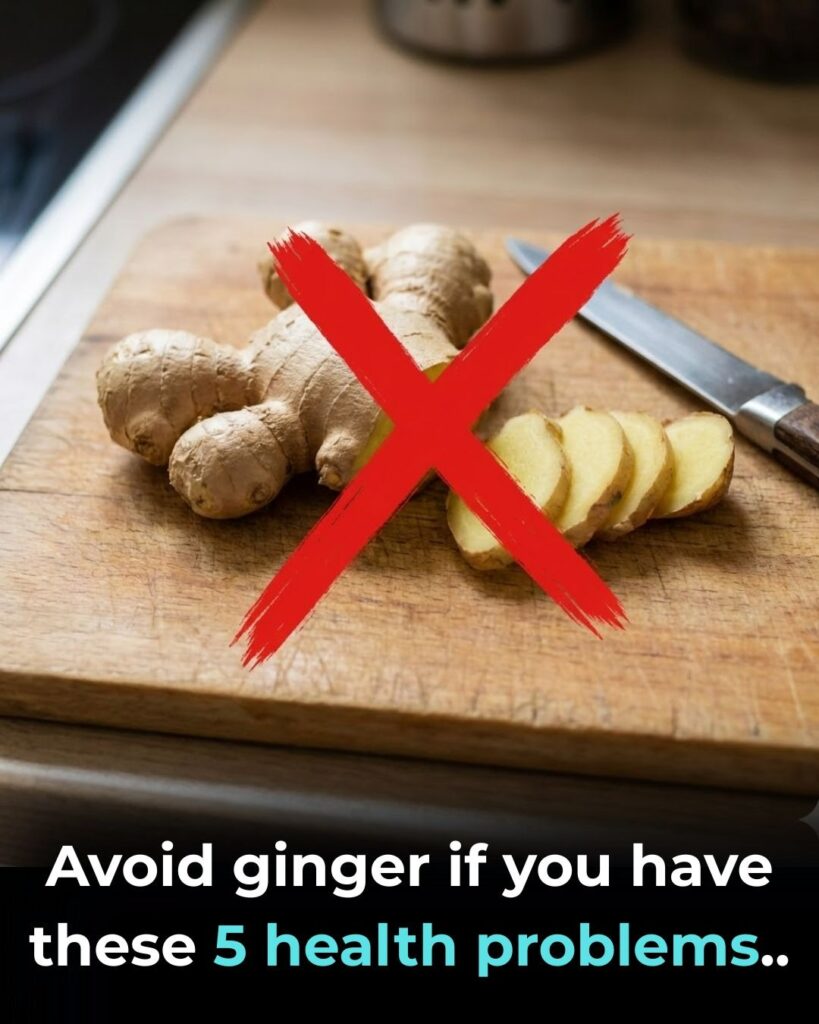
Practical Advice: If you have a sensitive stomach, introduce ginger in tiny amounts. During an active ulcer or IBD flare, it’s often best to avoid it until the inflammation calms down. Listen to your body.
5. Late Pregnancy
Why the Concern: This is a specific and important timing issue. Ginger is a well-known and effective remedy for morning sickness in early pregnancy and is generally considered safe in food amounts.
The Risk: Some medical sources advise caution with high-dose supplements (over 1 gram per day) in the third trimester (late pregnancy) due to theoretical concerns about its blood-thinning effect potentially affecting labor and delivery.
Practical Advice: Using fresh ginger in teas or meals for nausea is widely accepted. However, pregnant individuals should never use concentrated ginger supplements or high doses without explicit approval from their obstetrician or midwife, especially as the due date approaches.
The Golden Rule: Moderation & Medical Advice
For the vast majority, enjoying ginger in food and tea is safe and beneficial. The risks primarily arise with:
- High-dose supplements (capsules, extracts, powders).
- Pre-existing, specific health conditions.
- Combination with certain medications.
Always inform your healthcare provider about all supplements and herbal remedies you are using. They can help you navigate potential interactions based on your unique health profile.
