
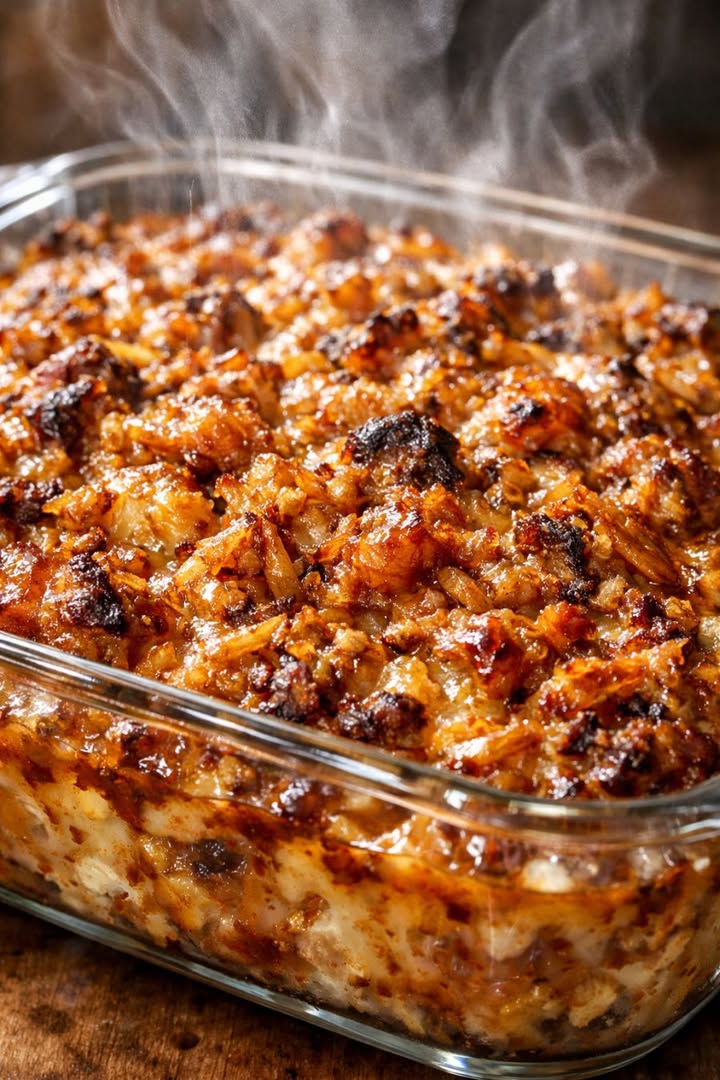
Step 2: Prepare the Cream Cheese Topping
In a small bowl, combine the softened cream cheese with the lemon juice and a generous pinch of salt and black pepper. If you are including garlic, dill, or any other optional seasoning, add them now. Mix everything together until smooth and completely combined. The mixture should be spreadable — if your cream cheese is still cold and stiff, microwave it for 15 to 20 seconds to soften it just enough to work with easily.
Step 3: Arrange the Salmon
Pat the salmon fillets dry with paper towels — this step is important because excess moisture on the surface of the fish prevents the cream cheese topping from adhering properly and can cause the topping to slide off during baking. Season the salmon lightly with salt and pepper on both sides. Place the fillets in the prepared baking dish in a single layer, skin side down if using skin-on fillets.
Step 4: Add the Toppings
Using a spoon or spatula, spread the cream cheese mixture evenly over the top surface of each salmon fillet, covering it in a generous, even layer. Do not be shy with the cream cheese — it is both the sauce and the flavor base of the finished dish, and a thin layer will produce a less satisfying result. Once the cream cheese is spread, sprinkle the shredded cheese generously over the top of each fillet, pressing it lightly into the cream cheese so it adheres rather than falling away during baking.
Step 5: Bake
Place the baking dish in the preheated oven and bake uncovered for 20 to 25 minutes, until the salmon is cooked through to an internal temperature of 145°F (63°C), the cream cheese has softened and melted into the fish, and the shredded cheese on top is golden and beginning to bubble at the edges. The salmon is done when it flakes easily when pressed gently with a fork and has lost its translucent appearance throughout. If you prefer a slightly more deeply browned cheese topping, switch the oven to broil for the final 2 minutes of cooking, watching carefully to prevent burning.
