
Add the eggs one at a time, beating well after each addition and scraping down the sides of the bowl as needed. Make absolutely sure each egg is fully incorporated before adding the next. Using room-temperature eggs is important here — cold eggs can cause the batter to look curdled and will affect the final texture of the cake.
Step 5: Add Extracts
Mix in the vanilla extract and almond extract, beating until evenly combined throughout the batter.
Step 6: Alternate Dry Ingredients and Milk
With the mixer on low speed, add the dry ingredient mixture and the milk to the butter mixture in alternating additions — beginning and ending with the flour mixture. Add the flour in three portions and the milk in two portions, mixing gently between each addition. Mix only until just combined after each addition. Do not overmix — overmixing develops the gluten in the flour and results in a tough, dense cake rather than the tender crumb you are after.
Step 7: Pour and Bake
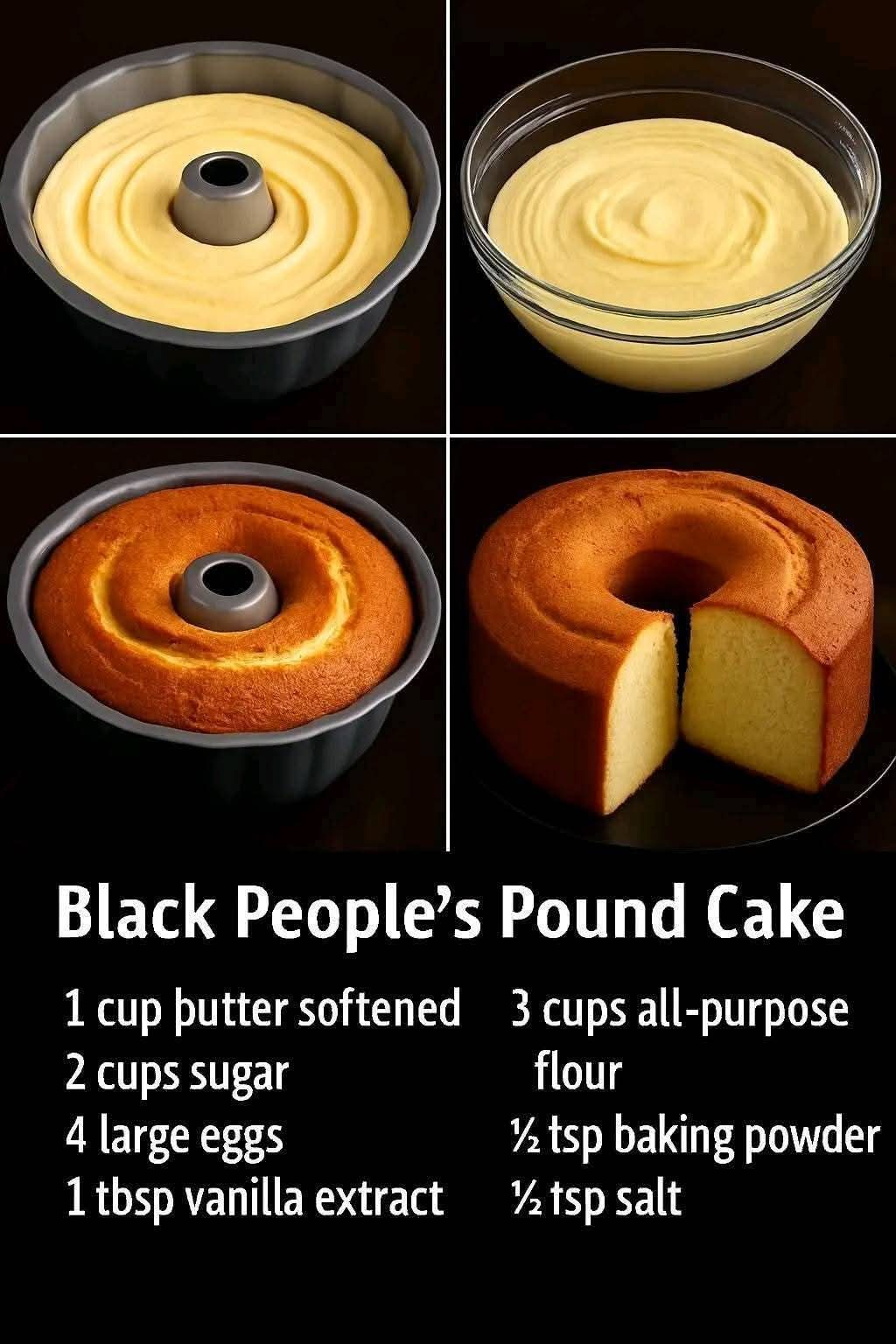
Pour the batter evenly into the prepared pan and use a spatula to smooth the top. Gently tap the pan on the counter a few times to release any air bubbles. Bake at 325°F for 1 hour and 15 to 30 minutes, or until a wooden toothpick or thin knife inserted into the center of the cake comes out completely clean. Do not open the oven door during the first hour of baking — doing so can cause the cake to deflate in the center.
