
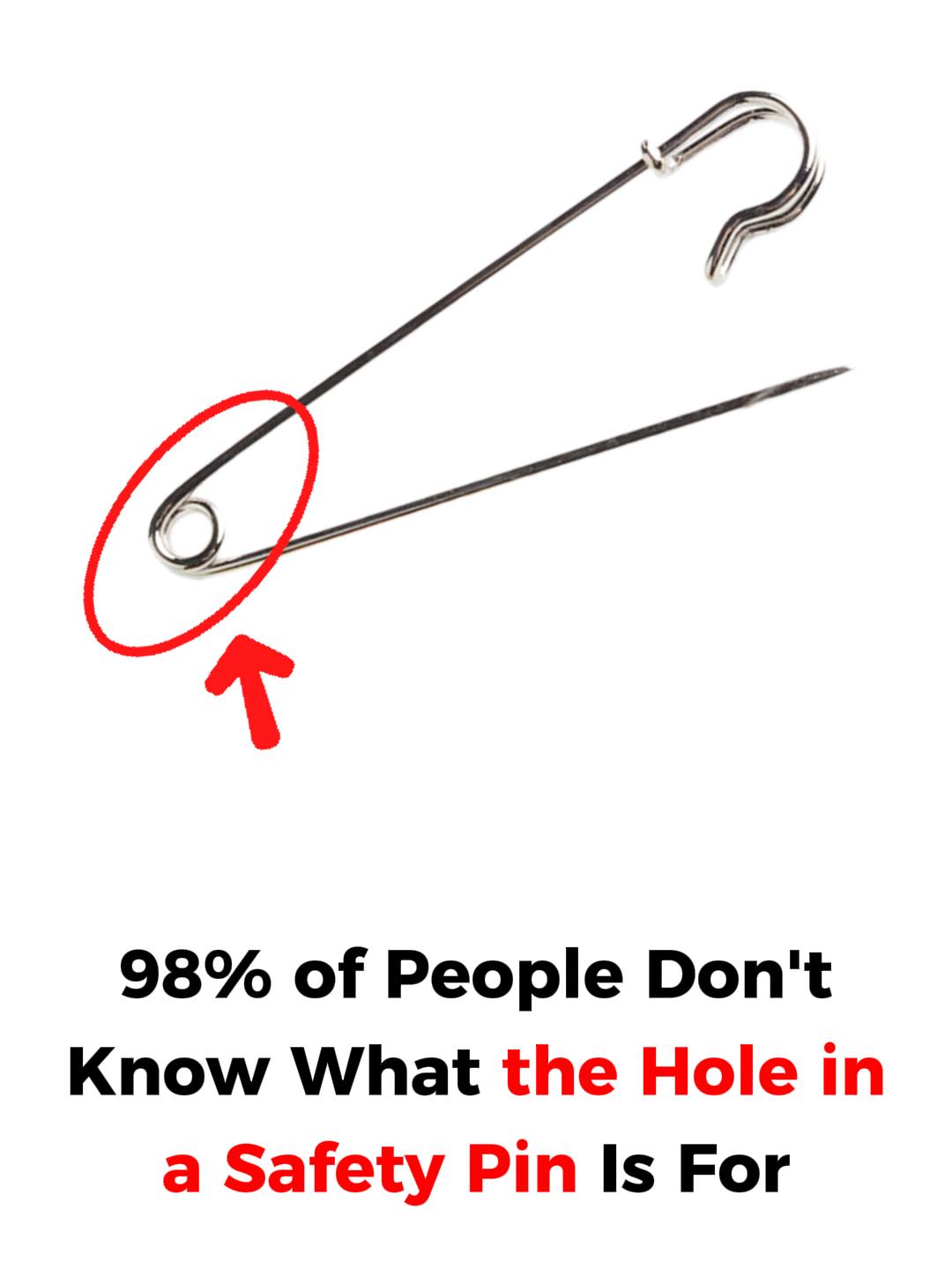
What is remarkable is that the basic design of the safety pin has remained essentially unchanged for over 170 years. No redesigns. No major improvements. No modern overhaul. The original engineering was simply that good — and the tiny hole in the coil is a key part of why.
The Many Types of Safety Pins You Probably Did Not Know About
Not all safety pins are the same. Over the decades, the original design has been adapted into several specialized variations for different uses. Standard safety pins are the everyday household version most of us are familiar with. Black-coated pins are used in film and fashion shoots where the pin needs to be less visible under stage lighting or cameras. Coilless pins are designed for delicate fabrics like lace or silk that can snag on the spring coil. Pear-shaped pins have a rounded, smooth shape ideal for attaching price tags in retail. Kilt pins are heavier, more decorative versions used in traditional Scottish dress and punk fashion. Laundry pins are larger and reinforced, used in hospitals and hotels to secure laundry bags. Nearly all of these variations retain the tiny coil hole — because nearly all of them still depend on the same spring mechanism to function reliably.
Bonus Uses People Have Found for the Hole
While the hole’s primary purpose is purely mechanical, creative and resourceful people have found additional uses for it over the years. Some thread a thin ribbon or piece of wire through the hole to attach the pin more securely to a project without the risk of it shifting or sliding. Others attach small decorative charms to the hole for DIY jewelry or craft projects. It has also been used as an anchor point in textile and sewing projects where extra stability is needed. None of these are the intended use — but they are a nice reminder that well-designed tools have a way of being more useful than even their inventors imagined.
The Bigger Lesson: Small Details Matter
The tiny hole in a safety pin is a perfect example of something that looks completely insignificant but is actually doing some of the most important work in the entire object. It is part of what makes the pin reliable, safe, durable, and consistent across billions of units manufactured every year. It is the same principle you find hiding in many everyday objects once you start looking: the hole in a saucepan handle for resting a spoon, the ridges on a bottle cap for better grip, the small notch on a measuring tape hook that compensates for its own thickness. Small design choices, enormous impact. The next time you reach for a safety pin, take just one extra second to look at that little hole in the coil. It is not random. It is not decorative. It is a quietly brilliant piece of engineering that has kept this tool relevant and unchanged for over 170 years — and now you know exactly why.
