
2. Strength in Softness
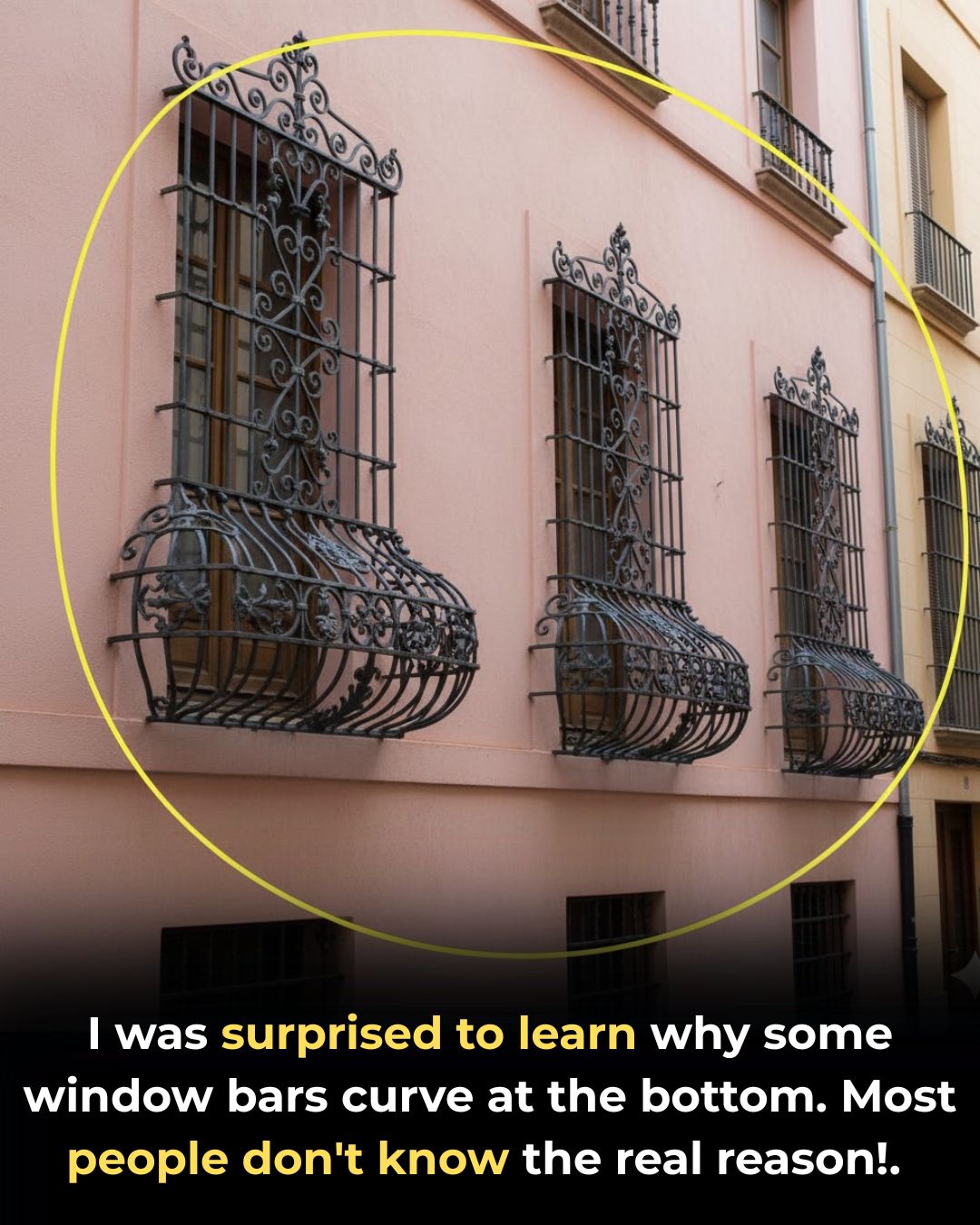
Counterintuitively, the curve reinforces the bar. Straight metal under pressure concentrates stress at weak points. The potbelly’s gentle arc distributes force evenly along its length—like an arch in a bridge—making the grille more resistant to bending or snapping. In storm-prone regions, this subtle geometry helps bars withstand wind and impact without sacrificing safety.
3. A Handhold for Care
For window cleaners and maintenance workers, the curve offers something rare in rigid architecture: grip. That slight protrusion becomes a foothold or handhold when scaling heights—turning a cold barrier into a tool of safety for those who tend to our buildings.
4. The Quiet Language of Beauty
Straight lines speak of defense. Curves speak of welcome. By softening iron’s severity, the potbelly bridges strength and grace. Historically, ornate curves signaled craftsmanship and prosperity—homes adorned not just for safety, but for soul. Today’s minimalist versions honor that legacy: a single swell that whispers elegance without shouting ornament.
A Design That Travels
From the intricate ironwork of Indian jalis to the wrought-iron balconies of New Orleans, curved grilles reflect cultural values. In Southeast Asia, deep potbellies support lush tropical planters. In Scandinavian design, a barely-there curve honors hygge—warmth within structure. The shape adapts, but its essence remains: protection need not be harsh.
