
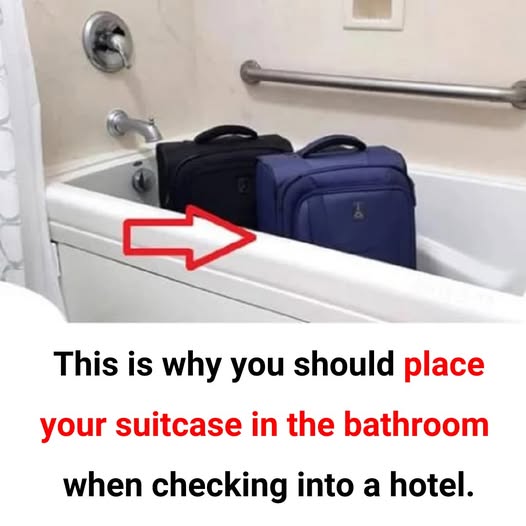
The effectiveness of the bathtub strategy is backed by what entomologists know about bed bug behavior and environmental preferences. Bed bugs rely on fabric surfaces, dark crevices, and proximity to human sleeping areas to survive and reproduce. A bathtub offers none of these things. Its smooth porcelain or acrylic surface gives the insects almost nothing to grip or cling to. Its open, well-lit, and frequently cleaned nature provides none of the dark, undisturbed hiding spots they require. And its location in the bathroom — physically separated from the main sleeping area where bugs concentrate their activity — adds an additional barrier of distance.
Bed bugs are also described as exceptionally skilled hitchhikers. They can survive for months to over a year without a blood meal, meaning an infested suitcase left in a closet or stored in the car can lead to a home infestation many months after you return from a trip. A Rutgers University study found that marked bed bugs released in one apartment unit were found in five out of six neighboring units within a single month — illustrating just how effectively and rapidly these insects spread through connected spaces. Getting them into your luggage at a hotel is one of the most common and avoidable pathways to a home infestation.
Additional Tips to Protect Yourself From Bed Bugs While Traveling
The bathtub strategy is your most important line of defense, but a few complementary habits will make your travel protection even more comprehensive:
- Choose hard-sided luggage when possible: Bed bugs find it significantly more difficult to cling to and penetrate rigid plastic or polycarbonate surfaces than to the fabric of soft-sided suitcases. If you travel frequently to high-risk urban destinations, hard-sided luggage is worth the investment
- Pack clothing in sealed plastic bags: Place your clothes inside resealable plastic bags within your suitcase. This adds a physical barrier that makes it much harder for any insects to infiltrate your clothing even if your suitcase is somehow compromised
- Bring a small flashlight: A compact travel flashlight makes it much easier to inspect the dark corners of mattress seams, drawer joints, and headboard crevices. The flashlight on your smartphone works well for this purpose
- Avoid placing anything directly on upholstered furniture: Clothes, bags, electronics, and personal items should all stay off beds, chairs, and sofas until you have completed your room inspection
- Keep clothes in your luggage for short stays: If you are only staying one or two nights, consider leaving your clothes inside your zipped suitcase rather than unpacking them into the drawers or closet
- Leave a note for housekeeping: If you keep your luggage in the bathtub throughout your stay, leave a note for the cleaning staff letting them know so they do not move it to a potentially risky location during room servicing
- Inspect your luggage before re-entering your home: After checking out, inspect the exterior of your suitcase — particularly along the zipper, in the corners, and inside any external pockets — before bringing it inside your house. Do this inspection in the garage, on the porch, or in a well-lit outdoor area
