
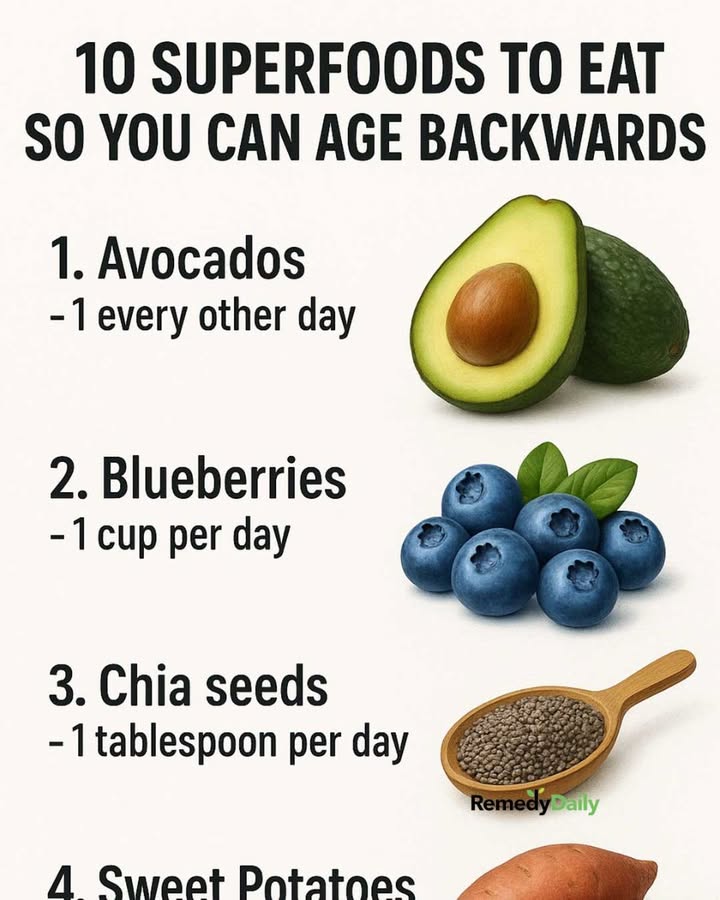
Aging is inevitable, but the pace at which it happens is not entirely out of your hands. Research in nutrition science consistently shows that what you eat has a direct, measurable effect on how your cells age — on inflammation levels, oxidative stress, skin elasticity, cognitive sharpness, and the integrity of your cardiovascular system. The foods on this list are not magic. None of them will literally reverse time. But the evidence supporting each of them as meaningful contributors to healthy, slower aging is solid enough that every one of them deserves a regular place in your diet. Here are ten of the most well-researched anti-aging foods and what they actually do inside your body.
1. Blueberries — The Brain's Best Friend
Blueberries are among the most thoroughly studied anti-aging foods, and the evidence for their benefits is particularly strong in the area of cognitive health. They are loaded with compounds called anthocyanins — the pigments responsible for their deep blue color — which are potent antioxidants that protect brain cells from oxidative damage and inflammation. Research has found that regular blueberry consumption can slow age-related decline in memory, balance, and motor function, and may even help reverse some cognitive deficits that have already developed. Their anthocyanins also support heart health by helping keep blood pressure and cholesterol levels in healthy ranges. Aim for half a cup to a full cup daily — fresh, frozen, or added to smoothies and oatmeal.
2. Green Tea — Antioxidants in Every Sip
Green tea delivers a concentrated dose of antioxidant compounds called catechins with every cup, and the evidence for their anti-inflammatory and anti-aging effects is well-established. Regular green tea consumption has been associated in multiple studies with improved brain function, reduced risk of cardiovascular disease, lower levels of chronic inflammation — one of the primary drivers of accelerated aging — and better metabolic health. Two to three cups daily is the amount most consistently associated with benefit in the research literature. The catechins in green tea also appear to support skin health by reducing inflammation-driven collagen breakdown.
3. Avocado — Healthy Fats for Skin and Cells
Avocados are unusual among fruits in that their primary caloric contribution comes from fat — specifically monounsaturated fatty acids, which are the same type found in olive oil and associated with the longevity benefits of the Mediterranean diet. These fats reduce inflammation, support healthy cholesterol levels, and help maintain the integrity of cell membranes throughout the body. Avocados also provide significant amounts of vitamin E — an antioxidant critical for skin health and repair — as well as potassium, folate, and vitamin K. Research suggests that avocados may also improve the body's ability to absorb fat-soluble nutrients from other plant foods eaten at the same meal. Half an avocado every day or every other day is a reasonable and effective target.
