
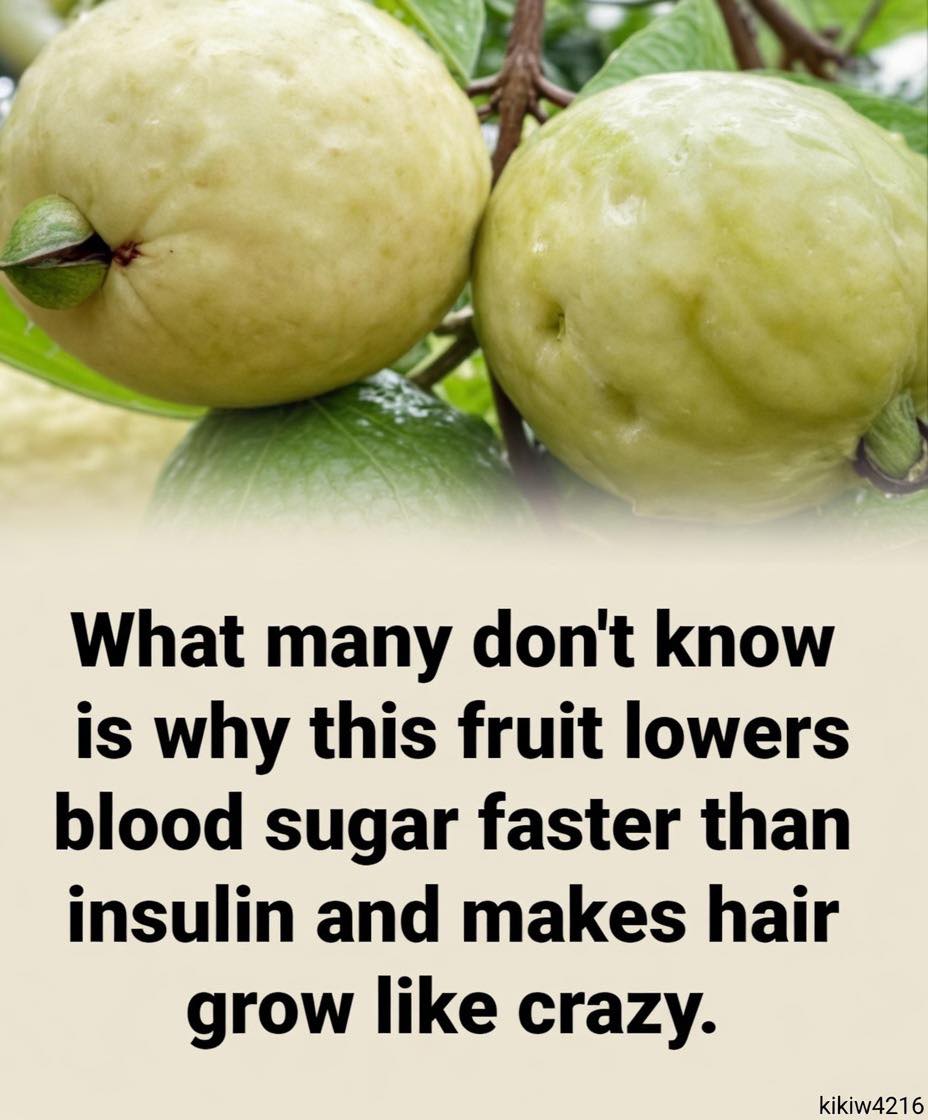
Guava is emerging as one of the most underrated allies for blood sugar balance. With its impressively low glycemic index, typically ranging between 12 and 24, this sweet tropical fruit releases sugar into the bloodstream gradually rather than causing the sharp spikes that can damage blood vessels, exhaust the pancreas, and contribute to long-term complications in people managing diabetes or prediabetes. Unlike many other fruits that deliver a rapid surge of glucose, guava’s unique composition makes it a smart, flavorful addition to a diabetes-friendly diet. Its dense fiber content—around 5.4 grams per 100 grams—not only slows digestion and carbohydrate absorption but also promotes a feeling of fullness that lasts longer, helping curb cravings, control portion sizes, and support healthy weight management, which is crucial for metabolic health.
This combination of low glycemic impact and high soluble fiber, particularly pectin, positions guava as an excellent choice for individuals living with type 2 diabetes or those aiming to prevent its onset. The fruit’s natural sweetness satisfies dessert cravings without the guilt or glucose rollercoaster associated with higher-GI options like bananas or grapes. Beyond the fruit itself, guava leaves provide an additional layer of support through traditional use and emerging scientific evidence. Studies suggest that guava leaf tea or extracts may help reduce post-meal blood sugar elevations by inhibiting enzymes such as alpha-glucosidase, which break down complex carbohydrates into simple sugars. This enzymatic blocking slows the release of glucose, leading to more stable blood sugar levels after eating.
For everyday incorporation, consuming fresh guava with or without the skin (depending on individual tolerance and research findings) in reasonable portions offers notable benefits. Many experts recommend eating the pulp without the peel for optimal blood sugar and lipid effects, as one randomized controlled study found that daily supplementation with guava fruit without peel led to reductions in fasting plasma glucose, total cholesterol, triglycerides, and LDL cholesterol, while also supporting healthier blood pressure levels. The peel, while rich in certain nutrients, may occasionally show less favorable short-term effects on glucose in some individuals, highlighting the importance of mindful consumption. Guava works most effectively as part of a comprehensive lifestyle approach that includes balanced meals rich in vegetables and lean proteins, regular physical activity, stress management, and ongoing guidance from a qualified healthcare professional. It is not a standalone cure but a supportive tool in a broader strategy for glycemic control.
Nutritional Profile of Guava: Why It Stands Out for Metabolic Health
To fully appreciate guava’s potential, it helps to examine its nutritional makeup in detail. A 100-gram serving of raw guava provides approximately 68 calories, making it a low-energy-density food ideal for weight-conscious individuals. It contains about 14 grams of carbohydrates, of which roughly 5.4 grams are dietary fiber, leaving a net carb count that is relatively modest. The fruit delivers 2.6 grams of protein and minimal fat, along with an impressive array of micronutrients. Most notably, guava boasts exceptionally high vitamin C content—often exceeding 200 mg per 100 grams, which is several times the daily requirement for many adults. This potent antioxidant supports immune function, combats oxidative stress (a key factor in diabetes complications), and may indirectly aid glucose metabolism by protecting pancreatic beta cells.
In addition to vitamin C, guava supplies potassium (around 417 mg per 100 grams), folate, and various B vitamins that contribute to energy production and cardiovascular health. Its fiber profile is particularly relevant for blood sugar management: the soluble fiber forms a gel-like substance in the gut that delays gastric emptying and slows the absorption of sugars. This mechanism reduces the glycemic load, preventing the insulin surges that can lead to resistance over time. Guava also contains bioactive compounds such as flavonoids (including quercetin and rutin), polyphenols like gallic acid, and tannins that exhibit anti-glycation properties—meaning they may help prevent the harmful attachment of sugar molecules to proteins, a process linked to diabetic complications like neuropathy and retinopathy.
The glycemic index (GI) of guava is consistently reported as low, often in the 12-24 range, with some measurements around 31. This places it among the safest fruits for people monitoring blood glucose. Glycemic load, which factors in portion size, is similarly low (typically 1.3 to 5 for a standard serving), further reinforcing its suitability. Compared to other popular fruits, guava outperforms many options: for instance, while watermelon or pineapple can have higher GI values and cause quicker rises, guava’s fiber and phytochemicals buffer these effects effectively.
Scientific Evidence Supporting Guava’s Role in Blood Sugar Regulation
A growing body of research underscores guava’s benefits for glycemic control. In one human study involving healthy subjects, supplementation with ripe guava fruit without peel over several weeks resulted in favorable changes, including a notable decline in fasting plasma glucose levels alongside improvements in lipid profiles—specifically lower total cholesterol, triglycerides, and LDL cholesterol. Interestingly, the same study observed that consuming guava with the peel sometimes led to slight increases in fasting glucose and certain lipids in the short term, possibly due to differences in magnesium content or other compounds in the skin. This suggests that peeling the fruit may enhance its blood sugar-friendly properties for some users.
Animal and in vitro studies provide deeper mechanistic insights. Guava fruit polysaccharides have demonstrated anti-hyperglycemic effects in type 2 diabetes rat models, improving oral glucose tolerance, reducing insulin resistance, and protecting pancreatic and liver tissues. These benefits appear linked to activation of the PI3K/Akt signaling pathway, which plays a central role in insulin sensitivity and glucose uptake by cells. Guava extracts also inhibited intestinal glucose resorption in a double-blind, randomized clinical trial with healthy volunteers. Participants who consumed a guava fruit extract prepared via supercritical CO2 extraction showed significantly reduced postprandial blood glucose peaks at 30 and 90 minutes compared to controls, with a modest reduction in insulin secretion as well. Compounds such as kojic acid and 5-hydroxymethylfurfural were identified as potential contributors to this inhibitory effect on glucose absorption.
Guava leaf extracts have received even more attention in diabetes research. Multiple studies show that aqueous extracts inhibit alpha-glucosidase and other carbohydrate-digesting enzymes, leading to slower breakdown of starches and sugars. In streptozotocin-induced diabetic mice and db/db models (which mimic type 2 diabetes), guava leaf extract administration lowered fasting plasma glucose, improved glucose tolerance and insulin sensitivity, increased hepatic glycogen storage, and modulated gene expression related to gluconeogenesis (the liver’s production of glucose). One notable mechanism involves restoration of gut microbiota balance, with increases in beneficial short-chain fatty acid-producing bacteria like those from the Lachnospiraceae family and Akkermansia genus. These microbial shifts are increasingly recognized as important for metabolic health and reduced inflammation.
