
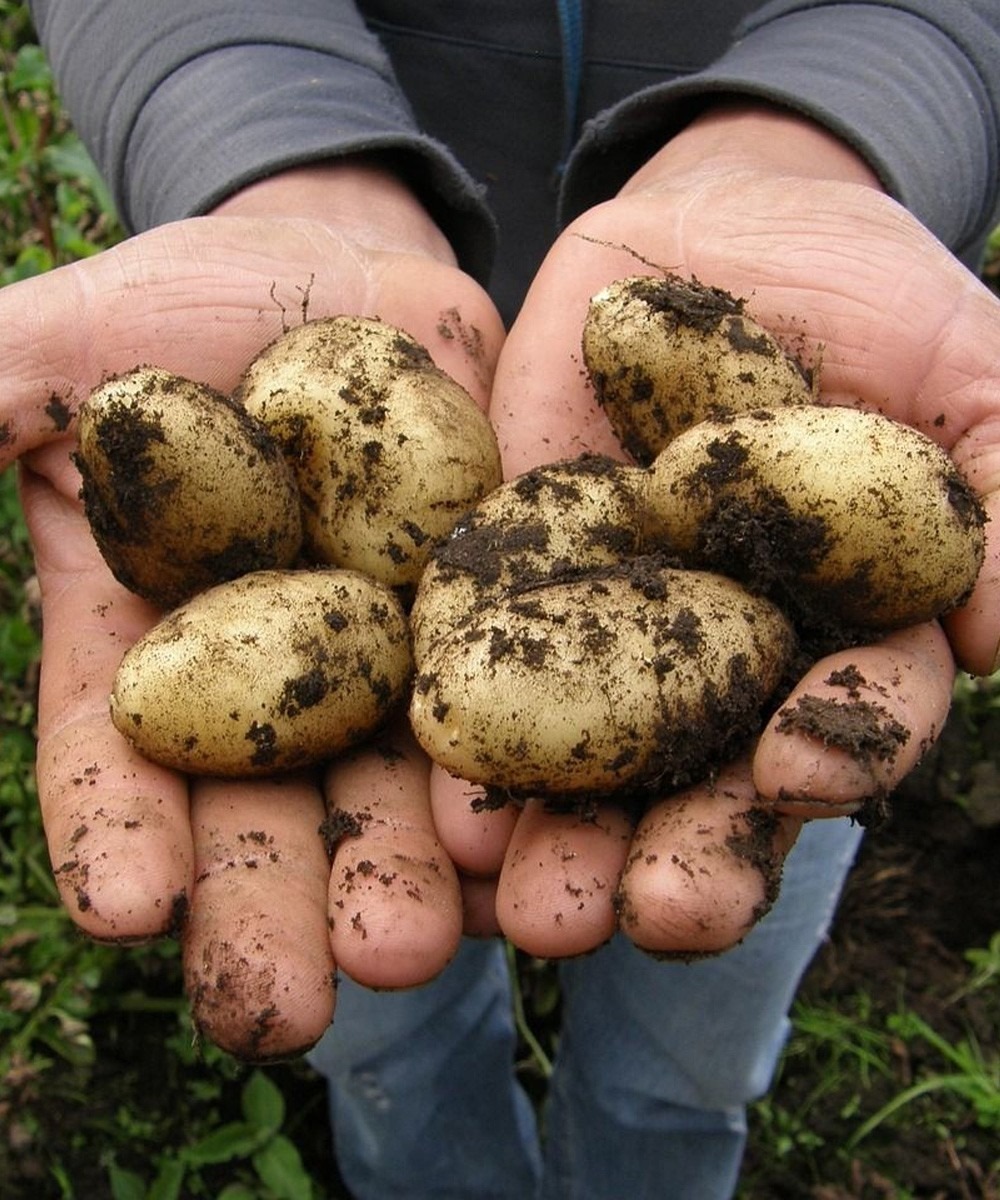
Potatoes are perhaps the most frequently misunderstood vegetable in the modern kitchen. Once a celebrated dietary staple across virtually every culture and continent, they have in recent decades been unfairly cast as the villain in the carbohydrate debate — a food to be avoided, minimized, or apologized for. The reality that doctors, registered dietitians, and nutritional researchers are increasingly united in presenting is far more nuanced and considerably more encouraging: the potato itself is not the problem. The problem, in nearly every case, is what we do to it. Whether eating potatoes every day is good or bad for you depends almost entirely on how they are prepared, what they are paired with, and how much of them you eat at a time.
A meaningful body of scientific research now supports a clear and consistent conclusion: eating one medium-sized potato each day, prepared by steaming or baking without excessive salt or saturated fat, does not increase the risk of cardiometabolic diseases — including diabetes, heart disease, or stroke — in otherwise healthy adults. Research published in the British Journal of Nutrition in 2020 confirmed this finding directly, studying 50 healthy adults who replaced their daily starchy side dish with either a potato or refined grains like white rice or pasta. The potato group not only showed no negative health outcomes but actually demonstrated higher potassium and fiber intake compared to the refined grain group. Here is what doctors and nutrition scientists say actually happens to your body when you eat potatoes regularly — and why the full picture is very different from the reputation this vegetable has acquired.
What Potatoes Actually Contain: A Nutritional Profile Worth Knowing
Before examining the effects of eating potatoes regularly, it is essential to understand what a potato actually provides nutritionally — because the answer is significantly more impressive than the carbohydrate-heavy reputation suggests. A single medium potato with its skin contains a remarkable concentration of important nutrients for a food with only around 160 calories and virtually no fat or cholesterol.
