
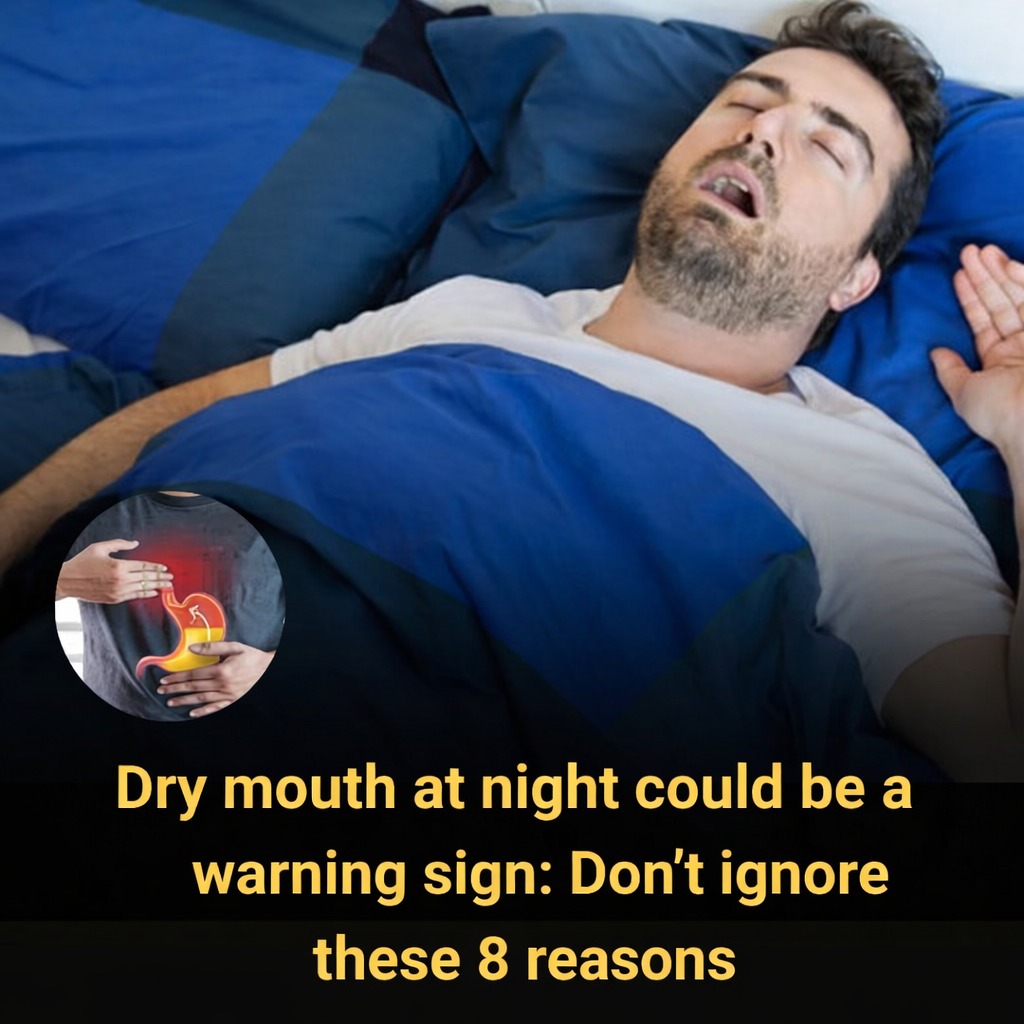
Warning Sign 5: Your Dry Mouth Is Accompanied by Snoring or Gasping During Sleep
The combination of dry mouth at night and snoring — or, more seriously, the choking and gasping that a partner may witness during your sleep — is a warning sign that should prompt an urgent conversation with a physician. Obstructive sleep apnea is a condition in which the airway partially or completely collapses during sleep, causing repeated interruptions in breathing that the sleeper often does not consciously perceive but that profoundly disrupt sleep quality and place significant stress on the cardiovascular system. Snoring is the sound produced as air forces its way through a narrowed or partially obstructed airway, and it is often accompanied by mouth breathing — which in turn causes dry mouth.
Sleep apnea is more common and more serious than many people realize. It is associated with an increased risk of high blood pressure, heart disease, stroke, type 2 diabetes, and other serious health conditions. According to Houston Methodist health experts, dry mouth at night does not automatically indicate sleep apnea — but when it occurs alongside snoring, witnessed apneic episodes, excessive daytime sleepiness, morning headaches, or difficulty concentrating, the combination of symptoms is highly suggestive and warrants a formal sleep study. Treating sleep apnea — typically through a CPAP machine or other airway intervention — frequently resolves the associated dry mouth as a beneficial side effect.
Warning Sign 6: You Are Taking Multiple Medications
A significant number of commonly prescribed and over-the-counter medications list dry mouth as a known side effect — and the risk increases substantially when a person is taking more than one such medication simultaneously. According to the Sleep Foundation, over 400 medications are known to potentially cause or worsen dry mouth. The classes of medications most commonly implicated include antihistamines (used for allergies), antidepressants and antianxiety medications, antihypertensives (blood pressure medications), diuretics, antiparkinson medications, antispasmodics, certain pain medications, bronchodilators used for asthma and COPD, and anticholinergic medications of various types.
The mechanism through which many of these medications cause dry mouth involves interference with the autonomic nervous system signals that regulate salivary gland function. Because saliva production naturally decreases during sleep regardless of medication use, the added suppressive effect of one or more medications can push nighttime salivary output to levels that produce clinically significant dryness. If you have started a new medication and subsequently noticed that your nighttime dry mouth has developed or worsened, this temporal relationship is a strong indicator that the medication may be contributing. This is a conversation worth having with your prescribing physician — not to stop the medication, which should never be done without medical guidance, but to explore whether an alternative medication or dosage adjustment might reduce the oral side effect while maintaining the therapeutic benefit.
