
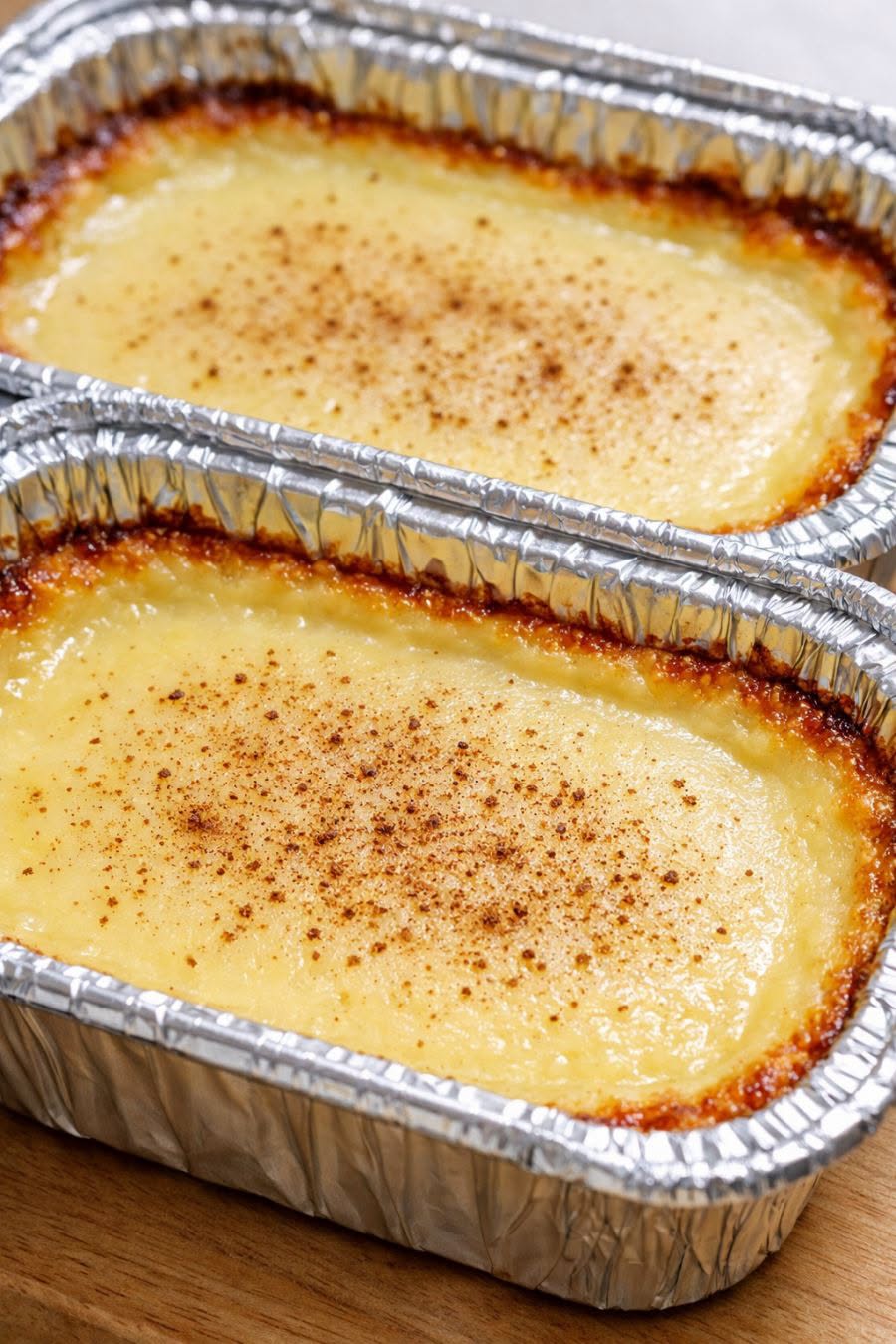
Remove the pan from the oven and allow the loaf to cool in the pan for 10 minutes. Carefully turn it out onto a wire rack or clean kitchen towel and allow it to continue cooling until just warm — not hot — before slicing. This cooling time is important: the dense crumb needs to set up properly so the slices hold together cleanly rather than crumbling apart. Slice thick, as the original cooks would have. Thin slices of this bread are unsatisfying; the loaf is meant to be eaten in substantial portions.
How to Serve It
A cold glass of milk or buttermilk alongside a thick warm slice is the traditional and still the best serving method — the richness of the peanut bread and the cool, slightly tart milk are a genuinely good pairing. A smear of butter on a warm slice melts in immediately and adds richness. A thin layer of jam — grape, strawberry, or whatever is available — turns it into something that tastes almost like a baked peanut butter and jelly sandwich in loaf form. Any of these additions honor the spirit of the original while making it slightly more festive.
The bread toasts beautifully. The next day, warm a slice in a dry cast-iron skillet over medium heat until the edges have browned and the surface glistens again from the peanut oil — this takes about two minutes per side. Eat it plain or with a thin layer of peanut butter for a double-peanut result. The toasted version has a slightly deeper, nuttier flavor than the fresh-baked one and is worth looking forward to.
Storage
Store leftover slices in an airtight container or wrapped tightly at room temperature for up to two days. The bread keeps well refrigerated for four to five days — the texture becomes a bit firmer when cold, which actually makes it easier to slice. It can be frozen in individual slices wrapped tightly for up to two months; thaw at room temperature or toast directly from frozen.
Why This Recipe Still Matters
Recipes like this one are records of a kind of cooking that prioritized feeding people over impressing them — practical, resourceful, honest food made from what was available without apology and without waste. The peanut butter bread did not pretend to be cake. It was filling, it was warm, it was made from three things that kept in the pantry for a long time, and it satisfied. Those qualities have not aged. The next time the refrigerator is nearly empty and the mood calls for something homemade and warm, this loaf is worth remembering. It asks almost nothing and gives back considerably more than its ingredient list suggests it could.
