
Gallbladder removal — known medically as a cholecystectomy — is one of the most commonly performed surgical procedures in the world. In the United States alone, surgeons remove approximately 600,000 gallbladders every year, the vast majority due to gallstones. Most of these surgeries are done laparoscopically, through small incisions, and patients typically go home the same day. For the many people living with the pain, nausea, and digestive disruption caused by gallbladder disease, surgery brings significant and often immediate relief. But once the gallbladder is gone, many patients find themselves wondering: what exactly has changed inside my body, and what can I expect going forward?
The short answer, reassuring for most people, is that the body adapts remarkably well. The gallbladder is not a vital organ — you can live a completely normal, healthy life without it. But understanding what role it played, how its absence changes your digestive system, and what symptoms to expect in both the short and long term helps people navigate recovery with greater confidence and make the dietary adjustments that support a smoother transition.
What the Gallbladder Actually Did
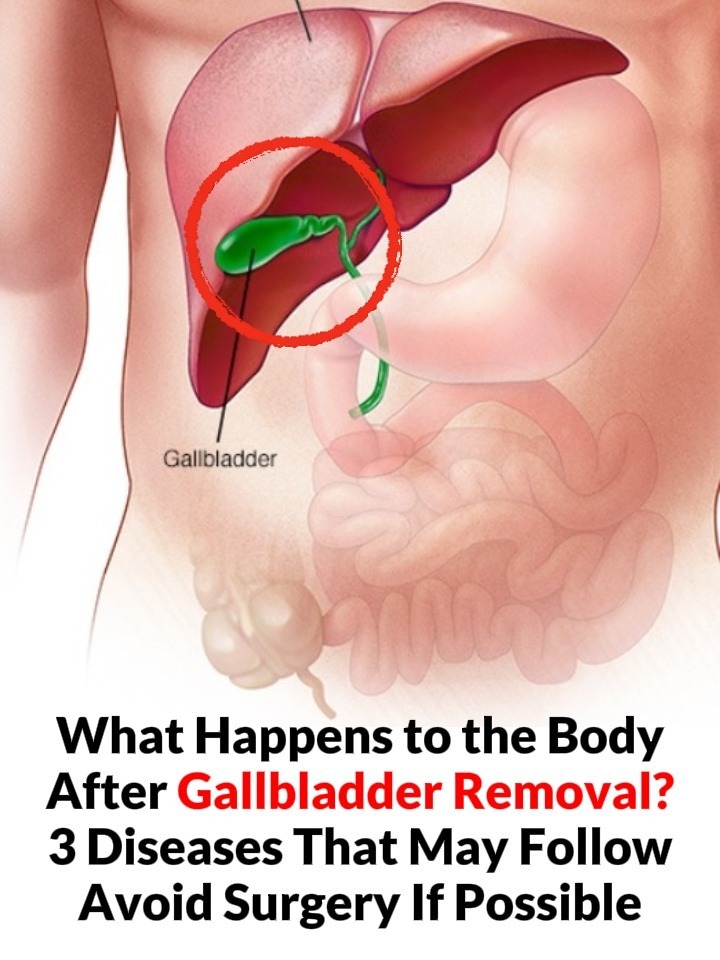
The gallbladder is a small, pear-shaped organ tucked just beneath the liver in the upper right quadrant of the abdomen. Its primary function is to store and concentrate bile — a digestive fluid produced continuously by the liver. When you eat a meal, particularly one containing fat, the gallbladder contracts and releases a concentrated burst of bile through the bile ducts into the small intestine. There, bile acts as an emulsifier, breaking fat molecules into smaller droplets that digestive enzymes can process more efficiently. Without this concentrated release, fat digestion still occurs — it just happens differently.
After gallbladder removal, the liver continues producing bile at the same rate as before. The difference is that there is no longer a storage reservoir. Instead of being held and concentrated for release during meals, bile now flows continuously and directly from the liver through the bile ducts into the small intestine — a slow, steady trickle rather than a coordinated surge. This fundamental change in how bile is delivered is the root cause of the digestive adjustments that most people experience after surgery.
What Changes Immediately After Surgery
In the days immediately following a cholecystectomy, the digestive system is still adjusting to surgical recovery in addition to the change in bile delivery. Most surgeons recommend starting with clear liquids and simple, bland foods — broth, toast, rice, bananas, plain pasta — and gradually reintroducing other foods over the first week or two. This cautious approach gives the digestive system time to stabilize without the additional stress of processing difficult foods.
The most common immediate changes patients notice include diarrhea or loose stools, bloating and gas, and mild abdominal discomfort, particularly after eating. These symptoms occur primarily because the continuous bile flow — without the controlled, meal-timed release the gallbladder provided — can have a laxative effect on the small intestine. Bile salts reaching the large intestine in greater amounts than usual can irritate the intestinal lining and speed transit time, producing loose stools. For most people, these symptoms are temporary and resolve within a few weeks to a few months as the liver learns to partially compensate by adjusting the rate and timing of bile production in response to eating cues.
