
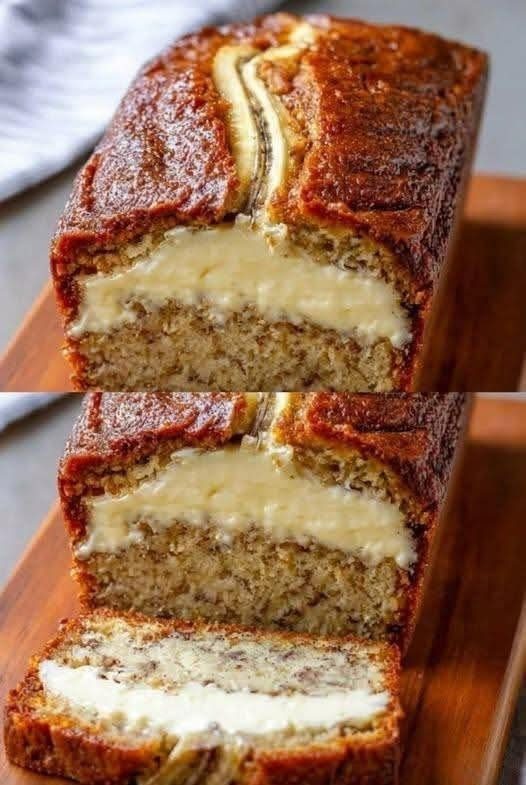
In a large mixing bowl, combine the flour, baking powder, baking soda, salt, and sugar if using. Whisk these dry ingredients together thoroughly for about thirty seconds, making sure the baking powder and baking soda are fully and evenly distributed throughout the flour. This even distribution is important — pockets of concentrated leavening will create uneven rising and an irregular texture in the finished loaf.
Step 3: Add the Wet Ingredients
Pour the melted butter or lard and the milk or buttermilk into the dry ingredients. Using a wooden spoon or a sturdy rubber spatula, stir the mixture together with a light hand until everything is just combined and a thick, shaggy batter or soft dough forms. The key instruction here is the same one that appears in virtually every no-yeast and quick bread recipe: do not overmix. Stir only until you can no longer see streaks of dry flour — ten to fifteen strokes is typically sufficient. Overmixing develops the gluten in the flour and will make the finished loaf tough and dense rather than tender and soft. A few small lumps in the batter are perfectly acceptable and will bake out during cooking.
Step 4: Shape and Transfer
If you are using a loaf pan, pour or scoop the dough into the prepared pan and use the back of a wet spoon or a small offset spatula to smooth the top surface into an even layer. If you are making a free-form round loaf on a baking sheet, turn the dough out onto a lightly floured surface and use lightly floured hands to shape it gently into a round disc approximately one and a half inches thick. Place it on the prepared baking sheet. Using a sharp knife, score the top of the loaf with a deep cross or a long diagonal slash — this traditional scoring step is not merely decorative. It allows steam to escape during baking, which helps the bread cook more evenly throughout and prevents the crust from splitting unpredictably.
Step 5: Bake
Place the pan or baking sheet in the center of the preheated oven. Bake for 35 to 45 minutes for a loaf pan, or 30 to 35 minutes for a free-form round, until the top is a deep, even golden brown and a toothpick or thin skewer inserted into the very center of the loaf comes out completely clean with no wet batter clinging to it. Another reliable test for doneness: remove the loaf from its pan or lift it from the baking sheet, and tap the bottom firmly with your knuckle. A fully baked loaf will produce a hollow sound rather than a dense, solid thud.
