
2. Why White Vinegar and Lemon Peels Are a Hard Water Power Duo
Hard water stains are a common nuisance in many households, causing unsightly buildup on faucets, showerheads, and other surfaces. The combination of lemon peels and white vinegar is particularly effective against these stubborn stains due to their acidic properties, which dissolve the calcium and magnesium deposits that cause hard water stains.
Lemon peels contain citric acid, a natural compound that is excellent at breaking down mineral deposits. When combined with the acetic acid in vinegar, the solution becomes even more effective. This dual-action approach not only removes the stains but also leaves a fresh, clean scent, making it a pleasant alternative to harsh chemical cleaners.
3. How to Prepare the Perfect Lemon-and-Vinegar Soaking Solution
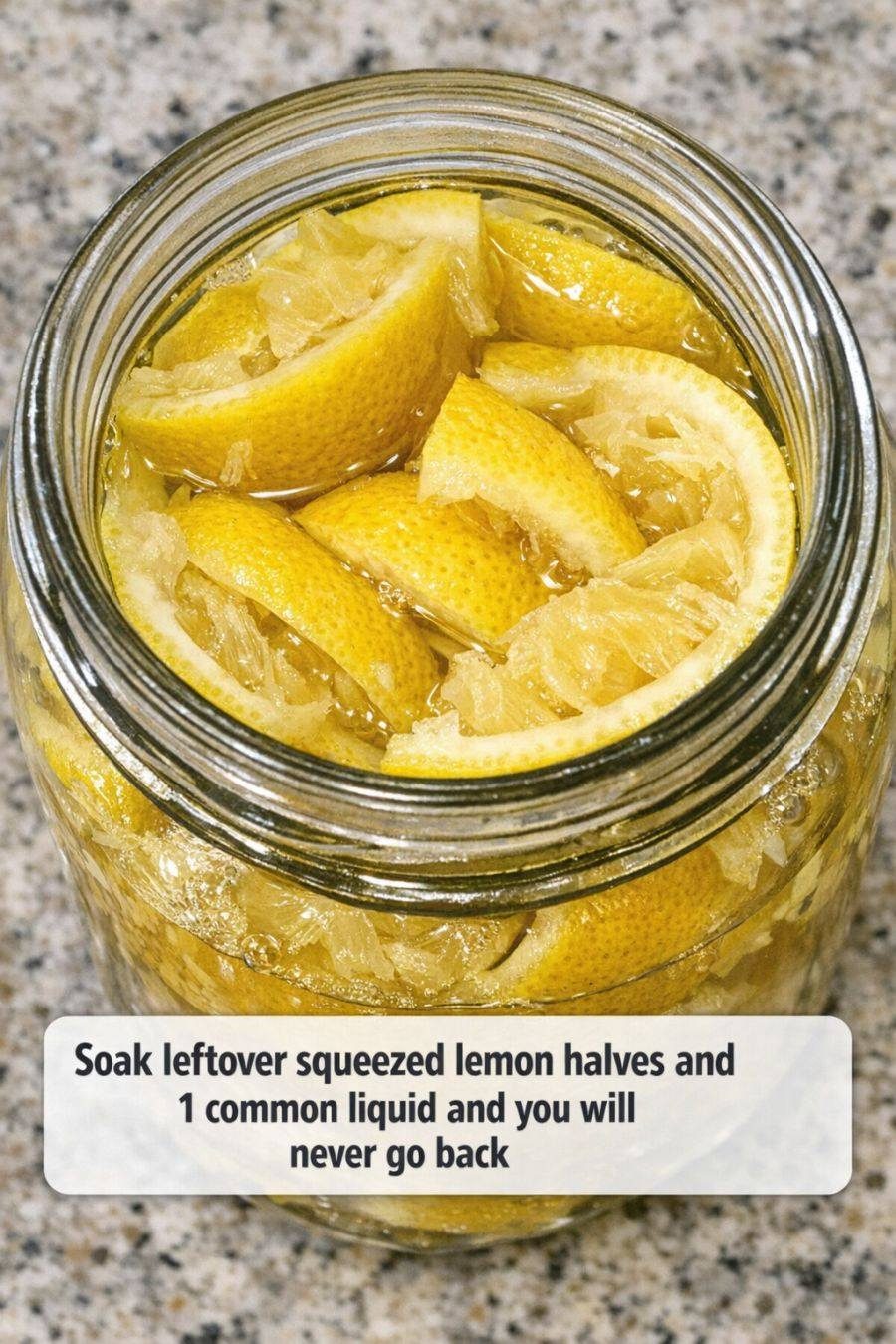
To prepare the lemon-and-vinegar soaking solution, you’ll need a clean glass jar, leftover lemon halves, and white vinegar. Begin by placing your squeezed lemon halves into the jar, ensuring they’re arranged in a way that maximizes their surface area exposure to the vinegar.
Next, pour white vinegar over the lemons until they are completely submerged. Seal the jar with a lid and let it sit in a cool, dark place for at least 24 hours. For a more potent solution, you can allow it to infuse for up to a week. Once infused, strain the solution into a spray bottle for easy application.
4. The Science Behind Dissolving Hard Water Stains
The effectiveness of the lemon-and-vinegar solution in dissolving hard water stains is rooted in chemistry. Hard water stains are primarily composed of calcium carbonate, a compound that is readily dissolved by acids. The citric acid in lemons and the acetic acid in vinegar work together to break down the calcium carbonate, effectively removing the stains.
As the acids interact with the mineral deposits, they dissolve the bonds holding the deposits together, allowing them to be wiped away easily. This chemical reaction not only cleans the surface but also helps prevent the buildup of new stains by leaving behind a slightly acidic residue that can deter future deposits.
