
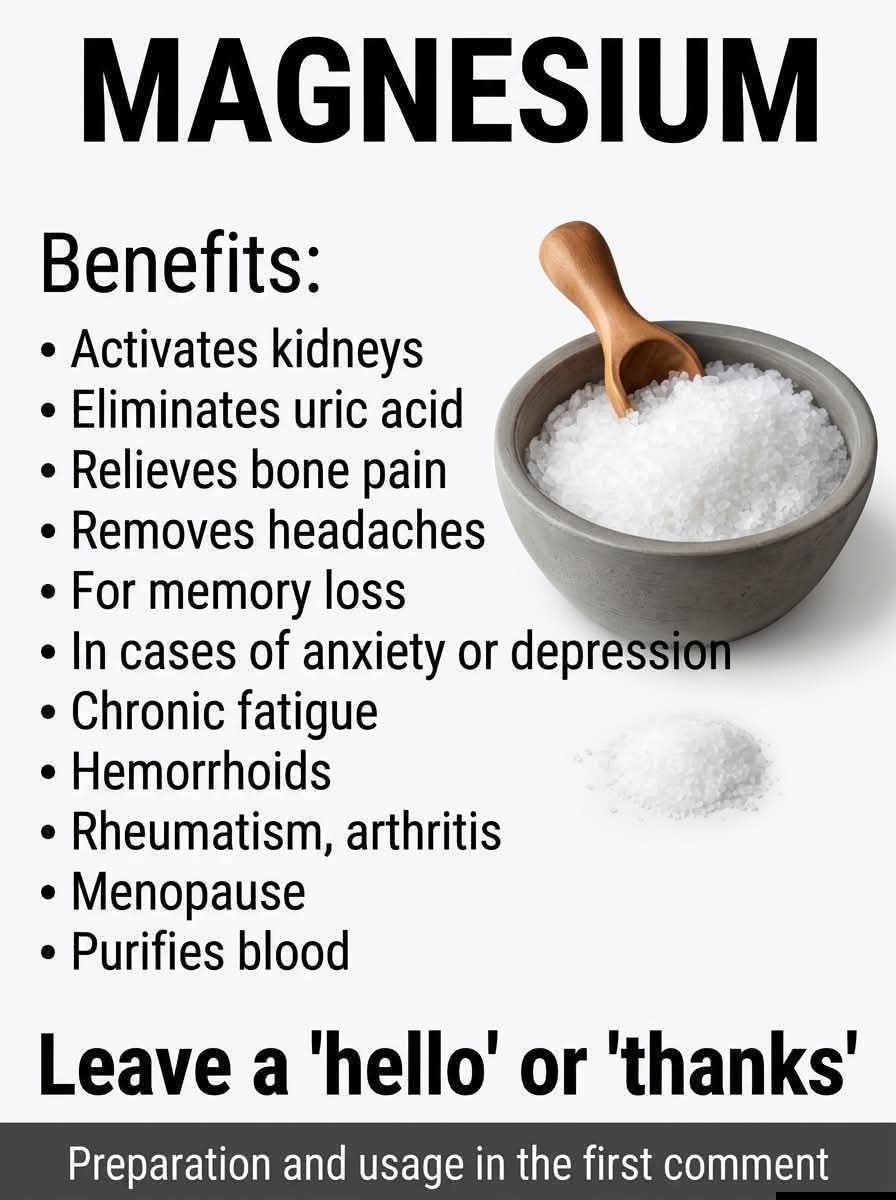
One of magnesium's most well-known roles in the body is its involvement in regulating muscle contractions and nerve signaling. Magnesium works in direct opposition to calcium at the cellular level: while calcium triggers muscle contractions, magnesium is what causes muscles to relax again afterward. When magnesium levels are insufficient, this balance is disrupted, and muscles can remain in a state of excess tension — leading to the cramps, spasms, twitching, and general muscle soreness that many people experience and accept as normal. Athletes and physically active individuals are particularly susceptible to magnesium depletion, since significant amounts are lost through sweat during exercise. Ensuring adequate daily magnesium intake helps maintain the proper muscle contraction and relaxation cycle that keeps movement comfortable and efficient.
2. Reduces Stress and Anxiety
Magnesium has earned a well-deserved reputation as the body's natural relaxation mineral, and the science behind this reputation is solid. Magnesium plays a key role in regulating the hypothalamic-pituitary-adrenal axis — the system that governs the body's stress response — and it helps modulate the activity of the nervous system in ways that promote calm rather than agitation. Low magnesium levels are associated with increased activity of the stress response system, meaning that people who are deficient tend to experience heightened anxiety and a reduced ability to recover from stress. Magnesium also influences the production and regulation of serotonin, a neurotransmitter that plays a central role in mood stabilization. Taking magnesium daily has been shown in multiple studies to reduce perceived stress levels, lower anxiety scores, and improve overall emotional resilience in people who are chronically deficient.
3. Improves Sleep Quality
If you struggle to fall asleep, stay asleep, or wake up feeling genuinely rested, magnesium deficiency may be a contributing factor worth investigating. Magnesium supports sleep quality through several distinct mechanisms. It helps regulate melatonin, the hormone that governs the body's circadian rhythm and signals when it is time to sleep. It also activates the parasympathetic nervous system — the branch of the nervous system responsible for rest and recovery — which helps the body transition more smoothly from the alert, activated state of wakefulness into the relaxed state that allows sleep to occur. Additionally, magnesium's muscle-relaxing properties help reduce the physical tension that can make it difficult to settle into comfortable sleep. Consistent daily magnesium supplementation has been associated in clinical studies with shorter time to fall asleep, longer total sleep duration, and improved sleep quality ratings, particularly in older adults who tend to have both lower magnesium levels and more significant sleep difficulties.
