
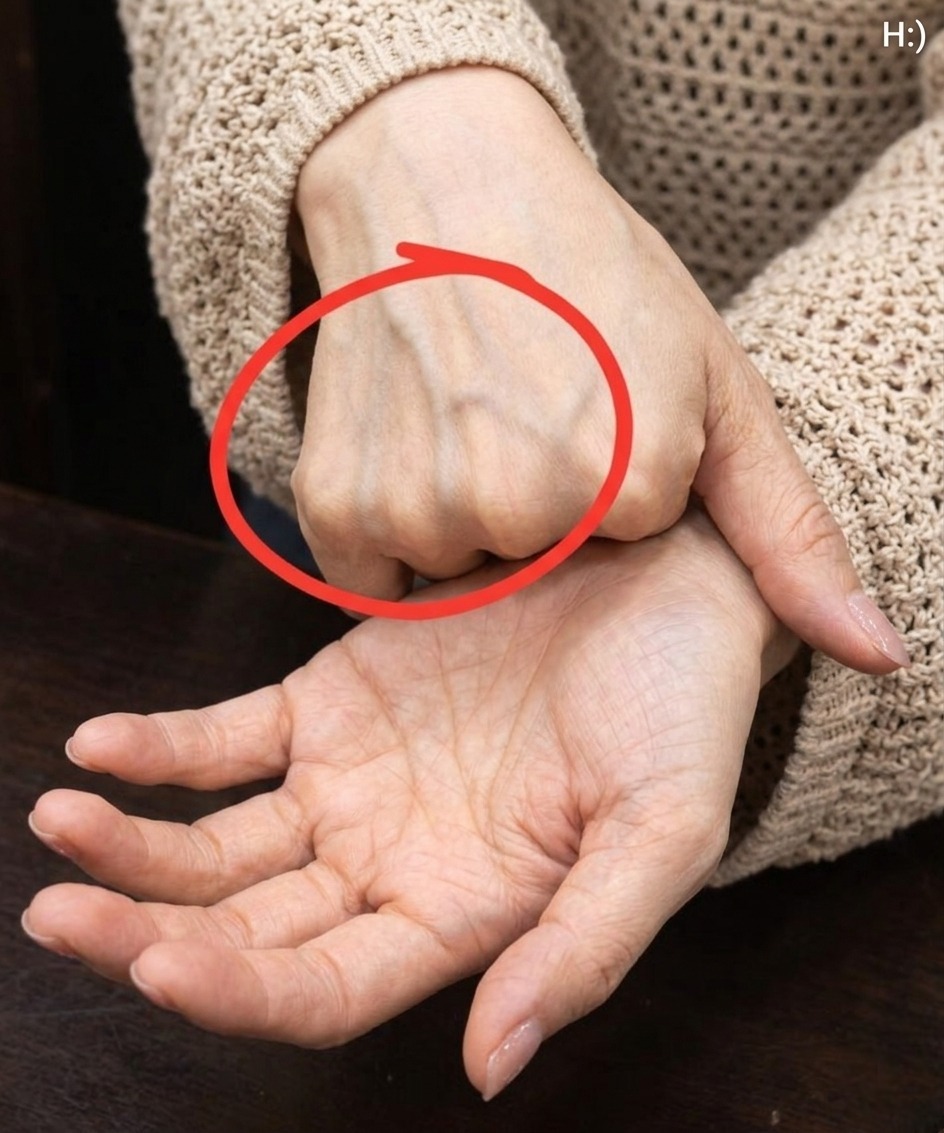
The idea that visible veins automatically signal something unusual or unhealthy spreads easily because it feels intuitive and visually striking, but in reality it is usually a normal feature of human anatomy. Veins are always present beneath the skin, carrying blood back toward the heart, but whether they are noticeable depends on a combination of structural and environmental factors rather than a single underlying condition. Because changes in appearance are easy to observe, people often attach meaning to them quickly, even when those changes fall within normal variation.
One of the most important factors influencing vein visibility is body composition. Beneath the skin lies a layer of subcutaneous fat that varies significantly between individuals. This layer acts as a natural buffer that partially obscures underlying structures, including blood vessels. When this layer is thinner, veins naturally become more visible. This is commonly seen in individuals with lower body fat levels or those who engage in regular physical activity. In such cases, visible veins are often associated with muscular definition rather than health concerns. As muscles develop, they can push veins closer to the skin’s surface, making them appear more prominent, especially in the arms and forearms.
Genetics also plays a major role in how visible veins appear. Some people are simply predisposed to having veins that sit closer to the surface of the skin or to having thinner skin overall, both of which increase visibility regardless of lifestyle. This is why vein prominence can often be observed within families. Skin tone and skin structure further contribute to these differences. Lighter or more translucent skin may allow underlying vessels to show through more easily, while thicker or more pigmented skin can naturally reduce their visibility. These differences are normal variations in human biology rather than indicators of health status.
