
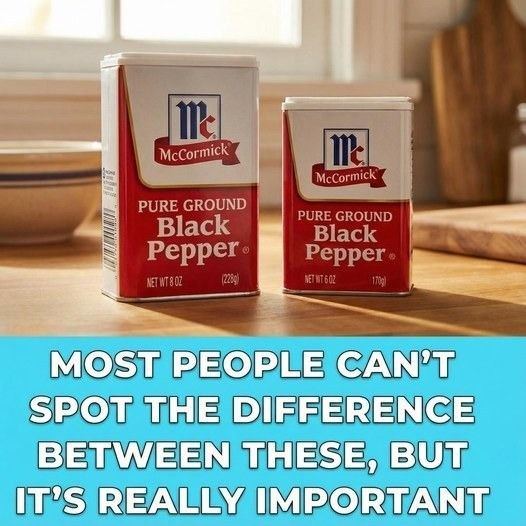
What makes the conversation even more complex is that companies must balance clarity with marketing. Packaging isn’t just a container; it’s an identity. For McCormick, their iconic tin is part of the brand’s legacy. Changing it too drastically risks losing recognition built over generations. Watkins, meanwhile, leans on transparency — literally — as part of their promise to consumers. Neither approach is inherently wrong, but they do appeal to different expectations.
This debate also highlights an uncomfortable truth: many shoppers rely more on visual cues than printed details. A container that looks the same as last year encourages assumptions — even if the weight printed on the label tells a different story. This mismatch between perception and reality is at the heart of the controversy. It isn’t about accusing brands of wrongdoing; it’s about acknowledging how packaging influences psychological expectations.
As the discussion continues, one lesson stands out clearly: honesty isn’t just about stating facts. It’s about anticipating how those facts are interpreted. When people feel misled — even if unintentionally — they start looking more closely at every detail. They compare brands more intensely. They talk to other shoppers. They question whether the companies they trusted still deserve that trust.
For consumers, this case is a prompt to look more closely at product labels, compare net weights, and pay attention to the subtle cues that influence perception. For companies, it’s a warning that trust must be earned continuously — not assumed. In a competitive industry, transparency isn’t just good ethics; it’s good business.
As legal reviews move forward and public discussion evolves, one truth remains undeniable: trust is one of the most valuable commodities any brand can hold. Losing it is easy. Regaining it is not. And preserving it requires ongoing clarity, honesty, and a willingness to meet consumers where they truly are — not just where marketing hopes they’ll be.
