
5. Soft-Boiled vs. Hard-Boiled: When This Tool Shines
The egg topper is particularly effective with soft-boiled eggs due to their delicate consistency and the need for a clean opening for consumption. Soft-boiled eggs have a softer shell and a runny interior, which makes them ideal candidates for this tool.
In contrast, hard-boiled eggs, with their firm whites and yolks, do not require an opening for dipping or spooning. The shell of a hard-boiled egg is more likely to be peeled away entirely, making the egg topper less necessary. However, some people may still use an egg topper for hard-boiled eggs if they prefer to serve them in a more presentable manner.
6. Common Designs and Variations of Egg Toppers
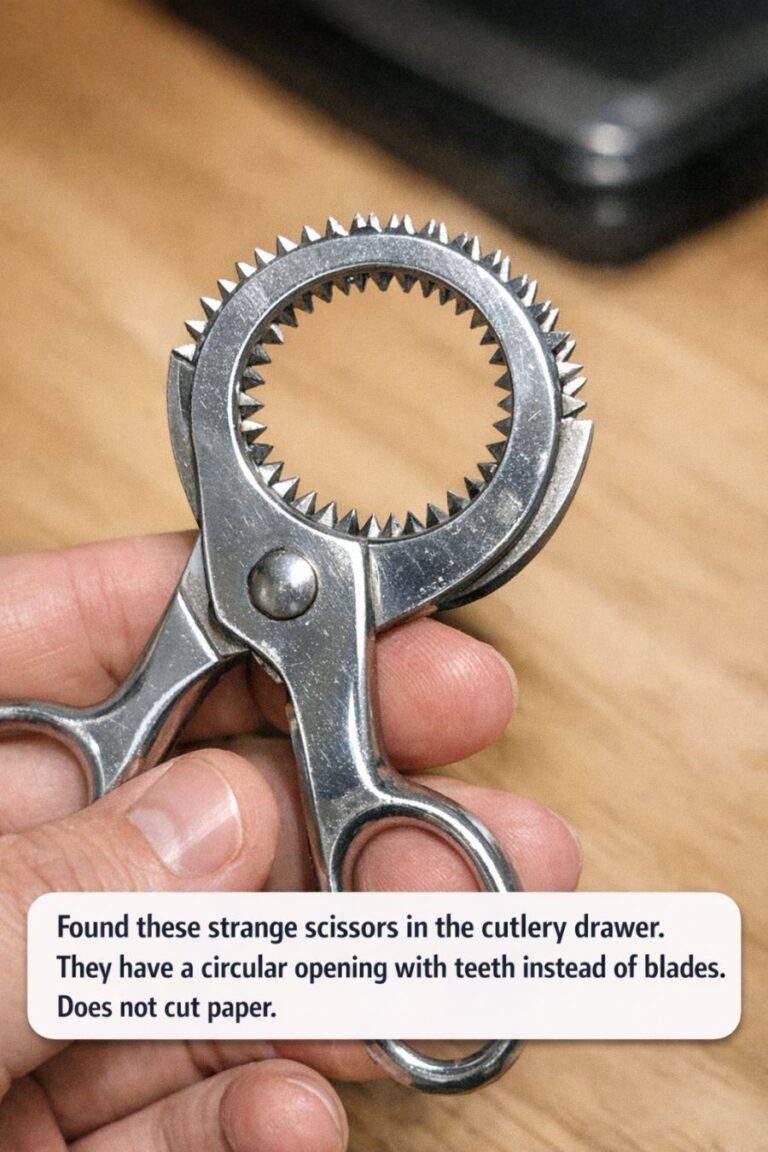
Egg toppers come in various designs, although the basic functionality remains the same. The most common design features a circular opening with serrated teeth and scissor-like handles.
Some variations include toppers with a spring-loaded mechanism or a bell-shaped dome that uses gravity and a quick release to crack the shell. These designs may offer additional convenience or ease of use, depending on the user’s preference. Certain models also come with adjustable diameters to accommodate different egg sizes, making them versatile for various egg types.
7. Clues It’s an Egg Topper and Not a Kitchen Gadget Fail
Several clues can help identify an egg topper and distinguish it from a failed kitchen gadget. The presence of a circular, toothed opening is the most significant indicator, as this design is specific to cracking eggshells.
