
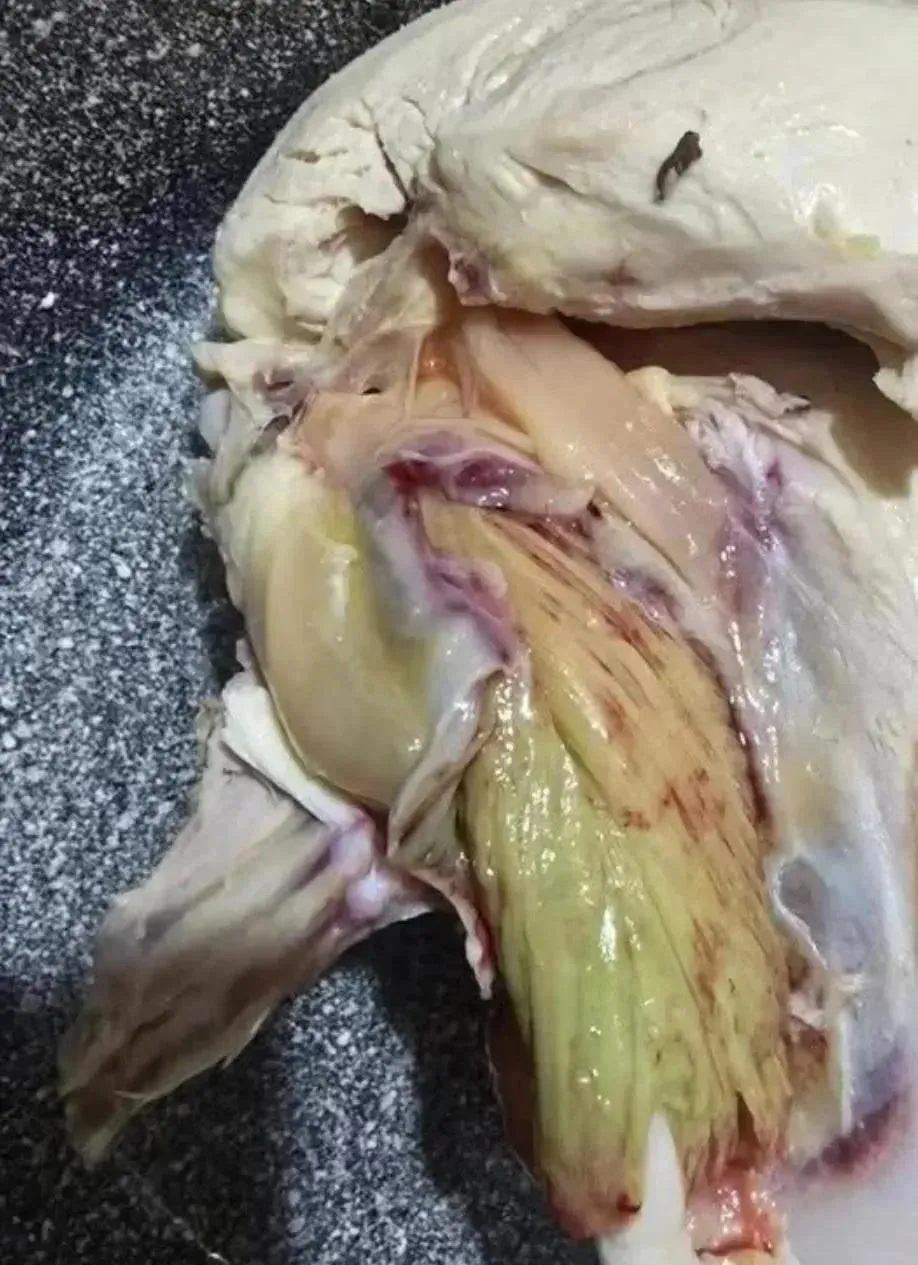
You pull your roast chicken out of the oven, it’s all nice and brown and crispy, and you’re starving. You carve in, and stop short. Right there in the meat of the breast, it’s green? What in the world? I’ve been there. That awful moment when you are staring at your meal, the fork poised in space, and you think: “Can I eat this? Am I going to poison myself?” Green chicken meat looks horrid, and your feelings tell you: “Don’t eat it.” But the truth is, it is not always dangerous. Sometimes it is simply a freak of nature. In this article, I shall tell you what green chicken meat really is, what causes it, when it is safe (and in fact it often is), and when it is not at all. Whether it is a raw chicken bought in a grocery store or one that comes from your slow cooker in a queer condition, it is gratifying to know. Let us eat into the ugly and uninviting meat of the matter.
What Causes Green Meat in Chicken
First, it should be stated that by no means does green chicken meat mean that the bird is not good. Although it looks like an infernal warning signal, it means something due to a number of conditions, some of them quite innocuous, others not. This is what is the matter:
Bruising or Rupture of Blood Vessels
Chickens, like all living things, get bruised. If they are not handled with care before they are killed, or if they flap their wings too severely, the blood vessels in the muscular tissue are broken. Blood can pool under the skin, or deeper in the meat, and as it coagulates it changes color, sometimes becoming a dull green or grayish green. It’s a bit like the bruise on the human body, going from purple to greenish to yellow. Certainly not appetizing, but, as stated previously, not in itself dangerous.
Green Muscle Disease (or Deep Pectoral Myopathy)
This is a little more technical, but it’s surprisingly common, particularly in the heavy meat-producing species of birds such as broiler chickens or turkeys. When these birds flap their wings too much, the inner fleshy part of the breast (the tenderloin) becomes deprived of oxygen. Due to the lack of oxygen, the muscles die. With the death of the muscular tissue, this becomes unappetizingly green. Externally, the flesh of the chicken may appear perfectly normal, but when cut into, it is green.

I have seen this in cooked breast of chicken, where the external appearance was juicy and perfect, but the inside flesh was greenish, having a horrid greenish-brownish tinge. The flesh may have had no odor, was not slimy, but green. In my own instance, I threw the meat away because I could not overcome the effect produced, either by sight or thought, but technically speaking, the meat was edible. Its texture? Well, if you like the spongy… meh.
Spoilage or Bacterial Growth
Now here is where we come to the risk. If the green meat is associated with a horrid smell (think of rotten eggs or sour milk), and a slimy or sticky surface, or mushy in general, it is probably spoiled. Do not try and do not eat it in this instance. Green-tinted chicken indicates spoilage, and you should toss the chicken, no matter how much money you spent on it or how hungry you are.
