
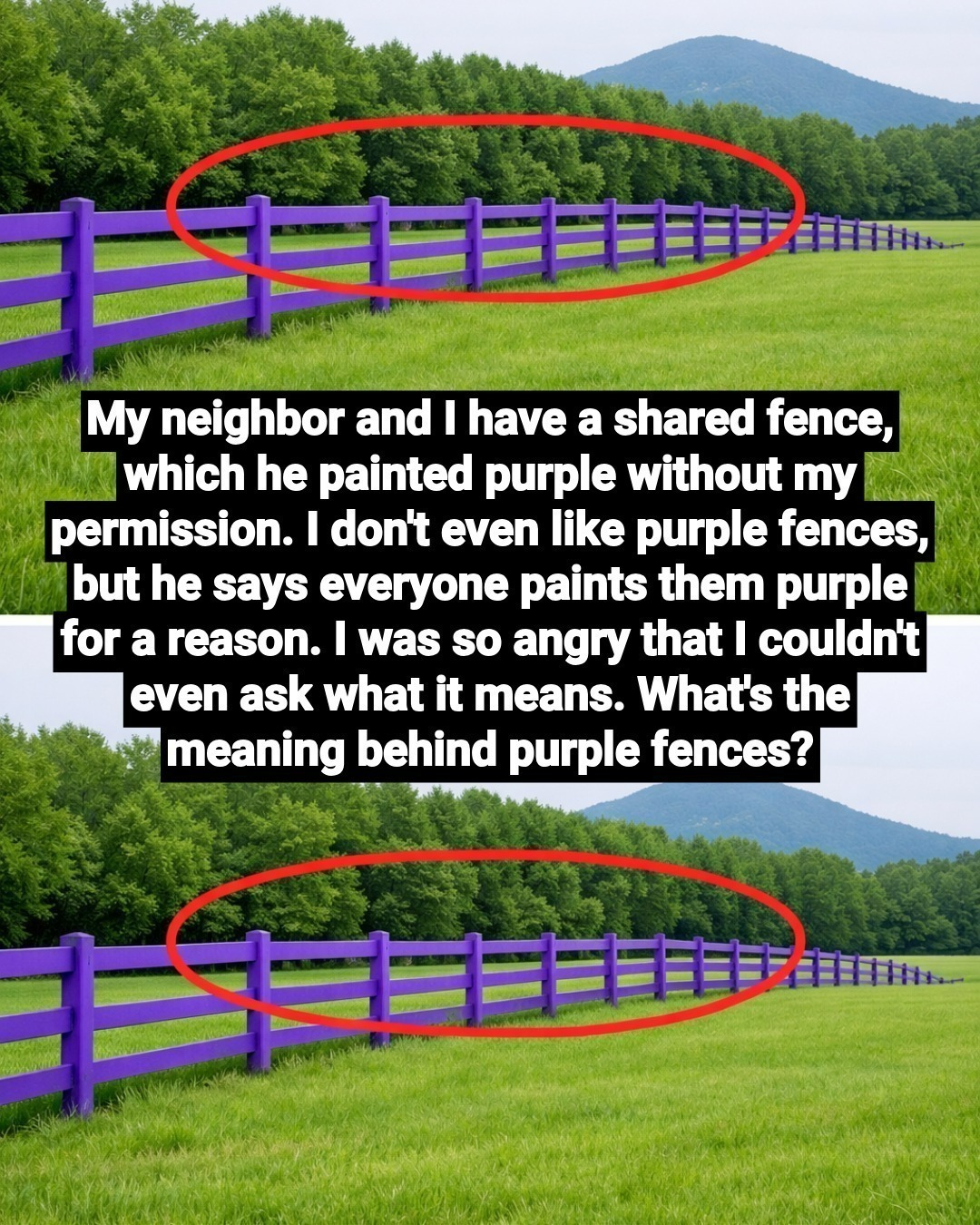
Dimensions: Typically 8–10 inches in length and 1–2 inches in width.
Height: Positioned 3–5 feet above ground level to ensure visibility to pedestrians, riders, and drivers.
Spacing: No more than 100 feet apart in wooded areas; up to 1,000 feet in open terrain (exact requirements vary by state).
For example, Texas Penal Code §30.06 specifies that markings must be "readily visible to any person approaching the property." Similar language appears in statutes across adopting states.
Why Purple?
The choice of purple is deliberate and strategic:
High visibility: Purple stands out against green foliage in summer, brown undergrowth in fall, and white snow in winter.
Distinctiveness: Rare in natural landscapes, purple is unlikely to be confused with environmental features or accidental marks.
No conflict with existing codes: Unlike red, orange, blue, or yellow—which are reserved for utility marking, surveying, or agricultural use—purple has no competing standardized meaning in rural land management.
Consequences of Ignoring the Markings
Trespassing on land marked with legally compliant purple paint can result in:
