
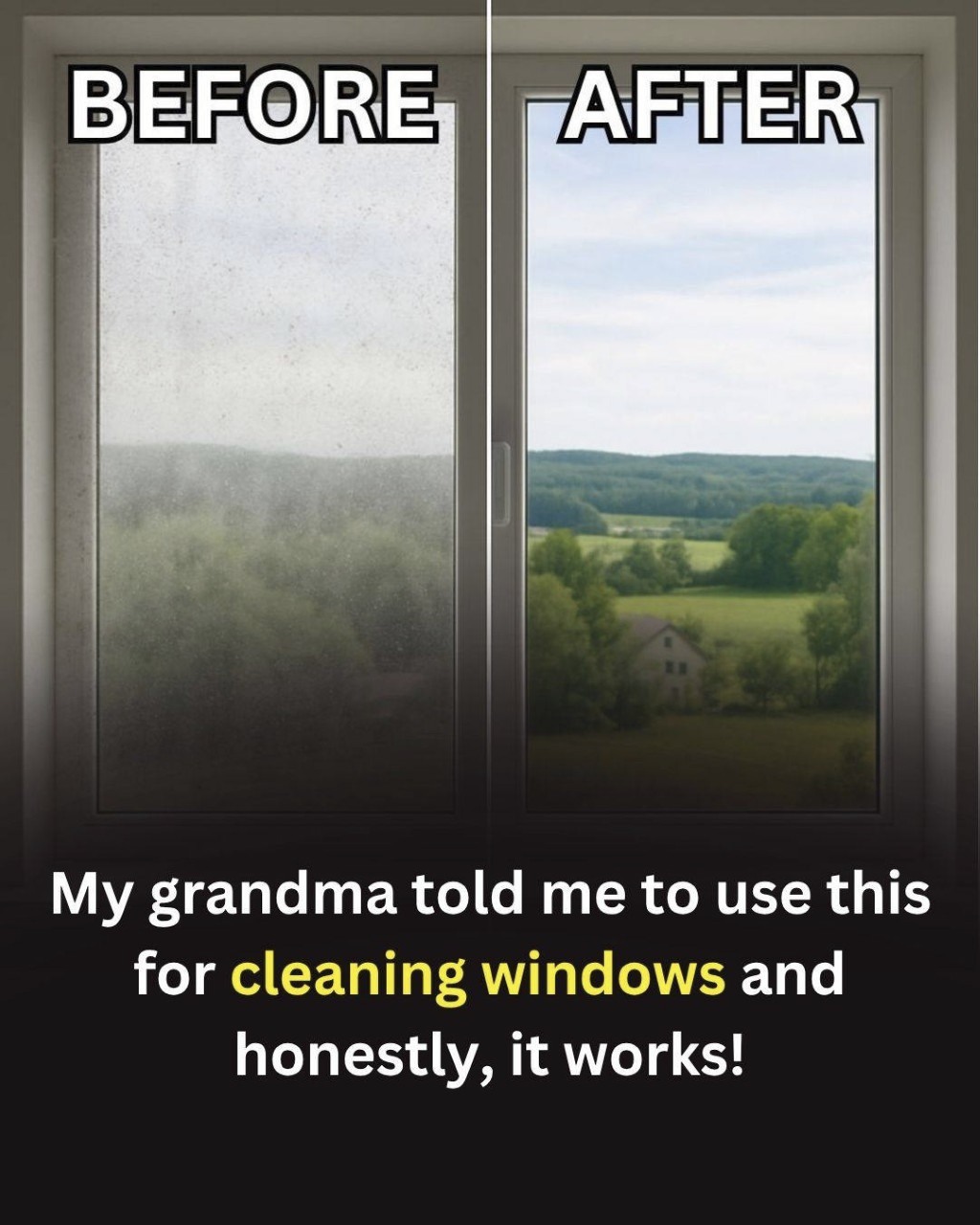
Leave lint
Smear dirt around
Create uneven streaks
Instead, older cleaning methods rely on:
Microfiber cloths
Soft cotton rags
Lint-free fabrics
These materials absorb moisture properly and don’t leave behind fibers that catch the light.
My grandma always emphasized this part: “The cloth matters more than the spray.” And honestly, she was right.
Step 3: Cleaning in the Right Motion
Technique plays a huge role in achieving streak-free glass.
Instead of random wiping, the method usually involves:
Wiping in one direction (horizontal or vertical)
Working from top to bottom
Overlapping strokes slightly
This helps prevent missed spots and uneven drying patterns.
If you wipe in circles or inconsistent directions, you’re more likely to leave streaks that only appear once the glass dries.
Step 4: The Dry Buffing Trick
This is the step that often separates “okay” results from “wow, that’s spotless.”
After cleaning the glass with a damp solution, a second dry cloth is used to polish the surface.
This does two things:
Removes leftover moisture
Buffs away micro-residue that causes haze
The result is noticeably clearer glass with a smooth, almost invisible finish.
It’s a small step, but it makes a big difference.
Why This Old-Fashioned Method Works So Well
There’s actual science behind why this simple approach is so effective.
1. No Heavy Chemical Residue
Many store-bought cleaners contain surfactants and additives that can leave behind a thin film. That film catches light and creates streaks.
Natural solutions evaporate more cleanly.
2. Controlled Moisture
Too much liquid leads to uneven drying. This method uses just enough to loosen dirt without flooding the surface.
3. Proper Material Choice
Microfiber and cotton trap dirt instead of spreading it around, unlike rough paper towels.
4. Mechanical Buffing
The final dry wipe physically removes microscopic residue, which is what your eye perceives as “haze.”
Where People Usually Go Wrong
Even with a simple method, a few mistakes can ruin the result:
Using Too Much Solution
More liquid doesn’t mean cleaner glass—it often means more streaks.
Cleaning in Direct Sunlight
Heat causes faster evaporation, which leads to visible streaking before you can finish wiping.
Using Dirty Cloths
A cloth that isn’t clean just redistributes dirt.
Skipping the Dry Buff
Without polishing, even a well-cleaned window can still look slightly cloudy.
