
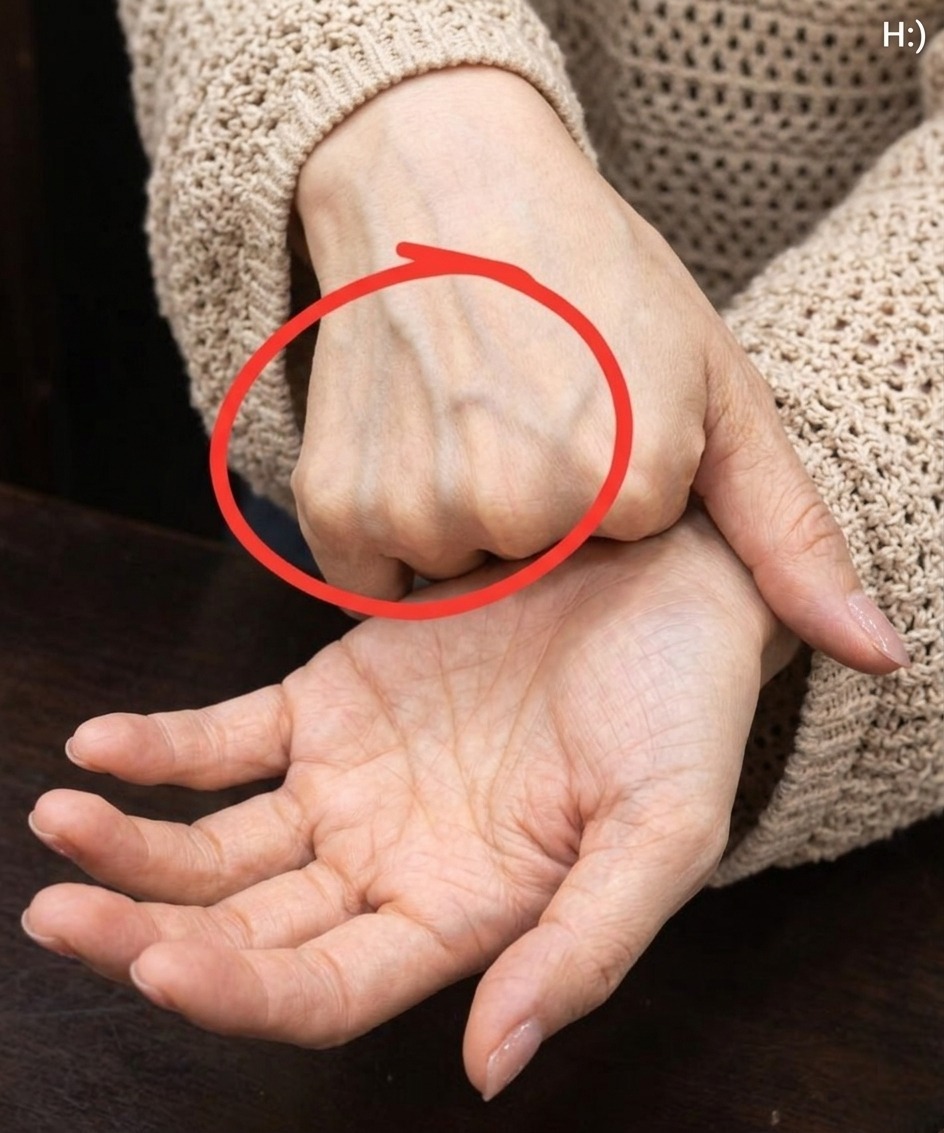
Environmental and temporary conditions can also affect how prominent veins appear. Temperature is a key example. When the body is exposed to heat, blood vessels expand to help regulate internal temperature, increasing blood flow near the skin’s surface and making veins more visible. Physical activity has a similar effect, as increased circulation during exercise causes veins to temporarily enlarge and become more pronounced. These changes are typically short-lived and return to baseline once the body cools down or rests. Hydration and general physiological state can also influence circulation, although their effect on vein visibility is usually subtle in everyday conditions.
While visible veins are generally harmless, there are specific situations where changes in their appearance may warrant attention. The presence of additional symptoms is more important than visibility alone. Pain, swelling, warmth, redness, or sudden localized changes in vein structure can indicate underlying issues with circulation or inflammation. Persistent or asymmetrical swelling, particularly in the limbs, may also require medical evaluation. In these cases, it is not the visibility of the veins itself that is relevant, but the accompanying signs that suggest a change in normal function.
