
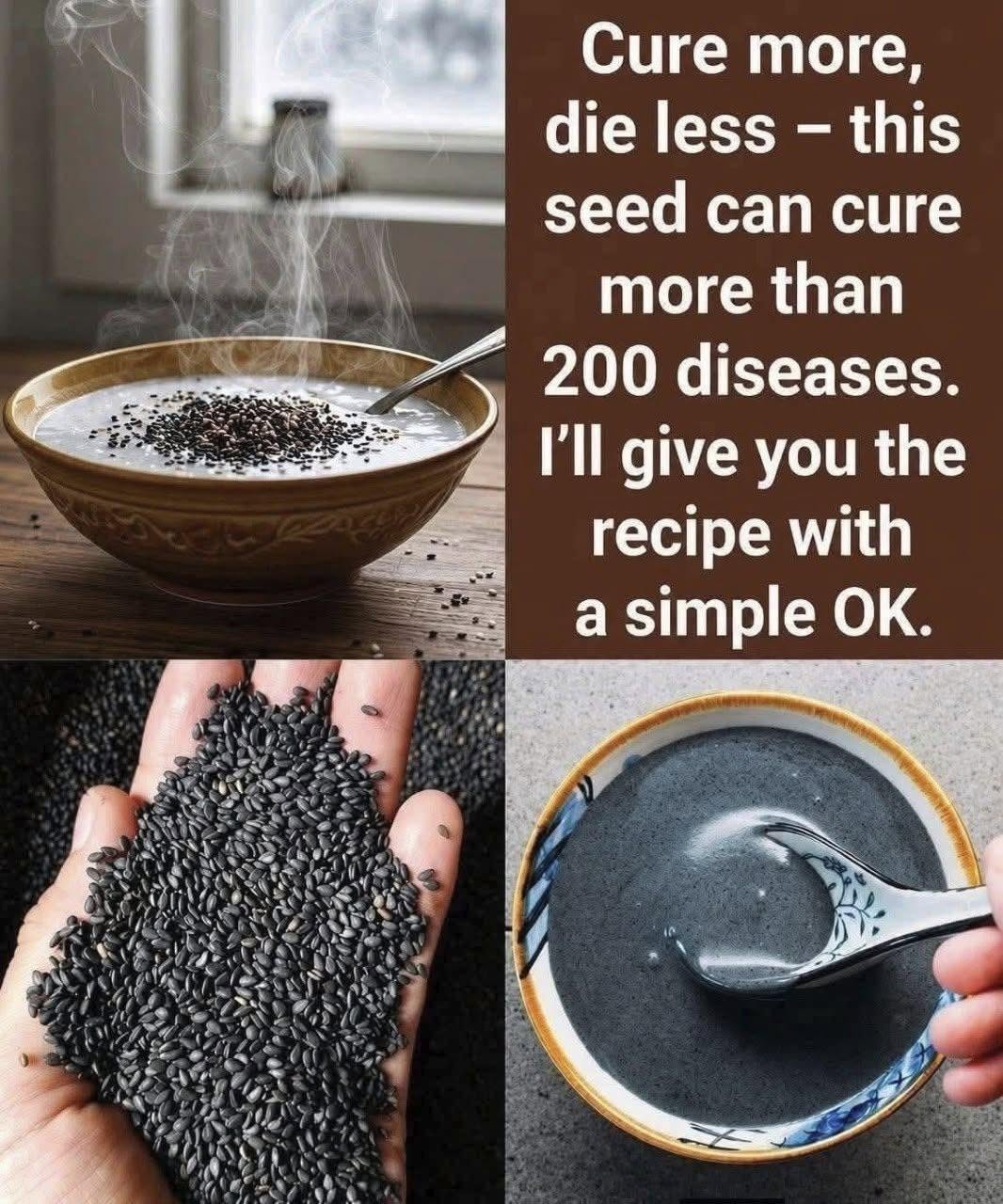
In digital wellness spaces, internet graphics and social media banners frequently feature eye-catching text boxes making extraordinary promises about ancient ingredients. A prominent example claims that a specific seed can “cure more than 200 diseases” and dramatically reduce mortality rates.
The botanical featured in these viral claims is Black Seed (Nigella sativa), also known as black cumin, kalonji, or habbatul barakah. For thousands of years, this tiny seed has held a highly respected place in traditional Arabic, Ayurvedic, and East Asian medicine. Modern clinical science has confirmed that these seeds are packed with potent, biologically active compounds.
However, it is essential to analyze the plant objectively. While black seed possesses genuine therapeutic properties, it is not a magical overnight cure for hundreds of diseases. This article separates the clinical evidence from the viral hype.
🔬 The Active Biochemistry of Nigella sativa
When researchers isolate extracts from black seeds, they discover a rich phytochemical profile. The seeds owe their therapeutic properties to several primary active elements:
Compound Type Documented Activity
Thymoquinone (TQ) Monoterpene Anti-inflammatory, antioxidant, cellular-protective
Thymohydroquinone Volatile oil Antimicrobial, synergistic with TQ
Thymol Volatile oil Antimicrobial, antioxidant
Alpha-Hederin Triterpene saponin Immune signaling, cellular membrane interaction
Nigellone Alkaloid Bronchodilator, antihistamine
Thymoquinone (TQ) is widely considered the crown jewel of black seed pharmacology. It has been studied extensively in laboratory models for its strong anti-inflammatory, antioxidant, and cellular-protective capabilities. Preclinical studies have demonstrated that TQ can modulate multiple signaling pathways involved in inflammation and oxidative stress, making it the subject of ongoing pharmaceutical research.
📊 Fact-Checking the Claims: What the Clinical Research Says
To separate viral marketing from peer-reviewed evidence, let’s analyze how Nigella sativa actually affects the bodily systems hinted at in traditional preparations.
- Metabolic Health and Blood Sugar Support
Clinical Evidence: Multiple clinical trials support the idea that black seed can influence glycemic control. Systematic reviews and meta-analyses demonstrate that daily consumption of crushed black seed powder or black seed oil can help reduce:
Fasting blood glucose levels
Hemoglobin A1c (HbA1c) measurements
Insulin resistance (HOMA-IR scores)
Proposed Mechanism: It achieves this by enhancing insulin sensitivity and helping to modulate glucose absorption in the intestinal tract. However, the effect is modest—black seed is an adjunctive support, not a replacement for diabetes medication.
Outcome Average Reduction Evidence Level
Fasting blood glucose ~15-20 mg/dL Moderate (meta-analyses)
HbA1c ~0.5-1.0% Moderate
Insulin resistance ~15-20% Preliminary
- Cardiovascular Health and Lipid Regulation
Clinical Evidence: Research indicates that Nigella sativa has a measurable, positive impact on baseline lipid profiles. Controlled studies show that routine supplementation can help:
Lower low-density lipoprotein (LDL) cholesterol (“bad” cholesterol)
Improve high-density lipoprotein (HDL) cholesterol levels
Assist in stabilizing blood pressure within a normal range
Proposed Mechanism: Thymoquinone helps relax smooth vascular muscles, contributing to blood pressure regulation. The overall effect on lipids is beneficial but clinically modest compared to statin medications.
- Respiratory Well-Being and Immune Modulation
Clinical Evidence: The thymoquinone in black seeds acts as a natural bronchodilator and anti-inflammatory agent. Clinical studies on individuals experiencing seasonal airway sensitivities or asthma indicate that black seed oil can help:
Soothe tissue irritation in the bronchial tubes
Ease coughing and wheezing
Support overall breathing comfort
Proposed Mechanism: TQ inhibits inflammatory mediators and reduces oxidative stress in airway tissues. Some studies suggest it may also modulate histamine release, providing antihistamine-like effects.
- Anti-Inflammatory and Antioxidant Effects
Clinical Evidence: The most consistently replicated finding across studies is black seed’s potent anti-inflammatory and antioxidant properties. A 2021 systematic review of randomized controlled trials concluded that Nigella sativa significantly reduces markers of systemic inflammation, including:
C-reactive protein (CRP)
Tumor necrosis factor-alpha (TNF-α)
Interleukin-6 (IL-6)
Inflammatory Marker Average Reduction Evidence Level
CRP ~15-20% Strong (multiple RCTs)
TNF-α ~10-15% Moderate
IL-6 ~10-15% Moderate
- Antimicrobial Properties
Laboratory Evidence: In vitro (test-tube) studies show that black seed extracts and thymoquinone inhibit a wide range of bacteria, fungi, and parasites. However, there is limited clinical evidence for its effectiveness as a standalone antimicrobial in humans. It should not be used as a primary treatment for serious infections.
📋 Step-by-Step: Traditional and Scientific Culinary Preparations
Prepping and consuming black seeds correctly ensures you get maximum nutritional value.
Step 1: Choose Your Form
Form Bioavailability Best Use
Whole seeds Low (pass through intact) Culinary garnish
Freshly ground powder High Daily supplementation
Cold-pressed oil Very high (pre-absorbed) Therapeutic doses
Honey blend Moderate Traditional tonic
Step 2: Preparation Methods
Method A: Freshly Ground Powder
Step Action Duration
1 Lightly toast seeds over low heat in a dry pan 2-3 minutes
2 Allow to cool completely 5 minutes
3 Grind in a coffee grinder or mortar and pestle 1-2 minutes
4 Consume immediately or store in an airtight container –
Why toasting matters: Light toasting enhances the nutty flavor and helps release volatile oils. However, overheating can degrade thymoquinone, so keep the heat low.
Method B: Black Seed Porridge Garnish
This traditional method (shown in many cultural preparations) involves swirling a teaspoon of freshly ground black seeds into a warm bowl of:
Oatmeal
Rice porridge
Congee
Warm milk
Dosage: 1 teaspoon (approximately 2-3 grams) per serving provides a robust, nutty flavor alongside a powerful dose of antioxidants.
Method C: Black Seed and Honey Blend
In traditional settings, ground black seed is frequently mixed with raw honey to create a thick, stable paste. This preparation dates back centuries and is documented in traditional Arabic and Ayurvedic texts.
Instructions:
Step Action
1 Grind 1/4 cup of black seeds into a fine powder
2 Mix with 1/2 cup of raw honey until a thick paste forms
3 Store in a glass jar at room temperature
4 Take 1 teaspoon daily (morning recommended)
Step 4: Recommended Dosages (Based on Clinical Studies)
Purpose Form Dosage Duration
General wellness Ground powder 1-2 g/day (1/2-1 tsp) Ongoing
Metabolic support Powder or oil 2-3 g/day 8-12 weeks
Respiratory comfort Oil 1-2 mL/day 4-8 weeks
Inflammation Oil 1-2 mL/day 8-12 weeks
Important: These dosages are derived from clinical research and should be adjusted based on individual tolerance and health status. Always consult a healthcare provider before starting any new supplement regimen.
⚠️ Important Side Effects and Safety Boundaries
While black seed is an exceptional, nutrient-dense ingredient with an excellent history of safe culinary use, adherence to safety rules is non-negotiable.
Contraindications and High-Risk Groups
Group Risk Level Reason
Pregnant individuals ❌ Avoid therapeutic doses May stimulate uterine contractions
Breastfeeding individuals ⚠️ Insufficient safety data Avoid concentrated forms
Children under 5 ⚠️ Low doses only Insufficient safety data
People with bleeding disorders ❌ Avoid high doses Anti-platelet effects
Diabetics on medication ⚠️ Monitor closely May cause hypoglycemia
Hypertensive patients on drugs ⚠️ Monitor closely May cause hypotension
Surgical patients ❌ Stop 2 weeks before Bleeding risk
Medication Interactions
Medication Class Interaction Recommendation
Antidiabetics May lower blood glucose too much Monitor glucose closely
Antihypertensives May lower blood pressure too much Monitor BP regularly
Blood thinners May increase bleeding risk Consult doctor before use
Immunosuppressants May stimulate immune system Potential antagonism
Cytochrome P450 substrates May affect drug metabolism Caution with narrow-therapeutic-window drugs
Side Effects (Reported at Therapeutic Doses)
Effect Frequency Severity
Mild digestive upset Common (5-10%) Mild
Allergic skin reaction Rare (<1%) Mild-Moderate
Nausea Occasional (2-5%) Mild
Headache Rare (<1%) Mild
Hypotension (if overdosed) Rare Moderate
Signs of Overdose or Adverse Reaction
Seek medical attention if you experience:
Severe nausea or vomiting
Dizziness or fainting
Rapid or irregular heartbeat
Skin rash or hives
Unusual bleeding or bruising
📊 Summary: What Black Seed Can vs. Cannot Do
Claim Evidence Level Verdict
“Cures 200+ diseases” None ❌ False
Lower blood sugar Moderate (meta-analyses) ✅ Supported (adjunctive)
Reduce cholesterol Moderate (meta-analyses) ✅ Supported (modest effect)
Support respiratory health Moderate (clinical trials) ✅ Supported
Fight inflammation Strong (multiple RCTs) ✅ Supported
Cure diabetes None ❌ Unsupported
Replace blood pressure meds None ❌ Unsafe
Cure cancer Preclinical only ⚠️ Not proven in humans
💎 Final Conclusion
Nature provides us with incredible resources to support our longevity, but scientific transparency is the foundation of genuine wellness.
Black seed (Nigella sativa) is a legitimate medicinal plant with well-documented pharmacological effects. The research supports its use as an adjunctive therapy for:
✅ Supporting healthy blood sugar and lipid levels
✅ Modulating inflammation and oxidative stress
✅ Supporting respiratory comfort
However, the viral claim that it can “cure more than 200 diseases” is not supported by clinical evidence. These extraordinary assertions:
Oversimplify complex diseases
Ignore dosage, bioavailability, and individual variability
Create false hope and may delay proper medical treatment
Violate evidence-based medicine principles
Key Takeaways for the Responsible Reader:
Principle Action
🔬 Seek peer-reviewed evidence Look for systematic reviews and meta-analyses
🩺 Consult healthcare providers Discuss before starting any supplement
💊 Respect medication interactions Monitor blood sugar and pressure
📉 Use as adjunct, not replacement Support, don’t substitute medical treatment
🧪 Start low and go slow Begin with low doses and observe tolerance
Always consult a qualified primary care provider before introducing highly concentrated herbal extracts or supplements into your daily healthcare regimen.
