
Support overall breathing comfort
Proposed Mechanism: TQ inhibits inflammatory mediators and reduces oxidative stress in airway tissues. Some studies suggest it may also modulate histamine release, providing antihistamine-like effects.
- Anti-Inflammatory and Antioxidant Effects
Clinical Evidence: The most consistently replicated finding across studies is black seed’s potent anti-inflammatory and antioxidant properties. A 2021 systematic review of randomized controlled trials concluded that Nigella sativa significantly reduces markers of systemic inflammation, including:
C-reactive protein (CRP)
Tumor necrosis factor-alpha (TNF-α)
Interleukin-6 (IL-6)
Inflammatory Marker Average Reduction Evidence Level
CRP ~15-20% Strong (multiple RCTs)
TNF-α ~10-15% Moderate
IL-6 ~10-15% Moderate
- Antimicrobial Properties
Laboratory Evidence: In vitro (test-tube) studies show that black seed extracts and thymoquinone inhibit a wide range of bacteria, fungi, and parasites. However, there is limited clinical evidence for its effectiveness as a standalone antimicrobial in humans. It should not be used as a primary treatment for serious infections.
📋 Step-by-Step: Traditional and Scientific Culinary Preparations
Prepping and consuming black seeds correctly ensures you get maximum nutritional value.
Step 1: Choose Your Form
Form Bioavailability Best Use
Whole seeds Low (pass through intact) Culinary garnish
Freshly ground powder High Daily supplementation
Cold-pressed oil Very high (pre-absorbed) Therapeutic doses
Honey blend Moderate Traditional tonic
Step 2: Preparation Methods
Method A: Freshly Ground Powder
Step Action Duration
1 Lightly toast seeds over low heat in a dry pan 2-3 minutes
2 Allow to cool completely 5 minutes
3 Grind in a coffee grinder or mortar and pestle 1-2 minutes
4 Consume immediately or store in an airtight container –
Why toasting matters: Light toasting enhances the nutty flavor and helps release volatile oils. However, overheating can degrade thymoquinone, so keep the heat low.
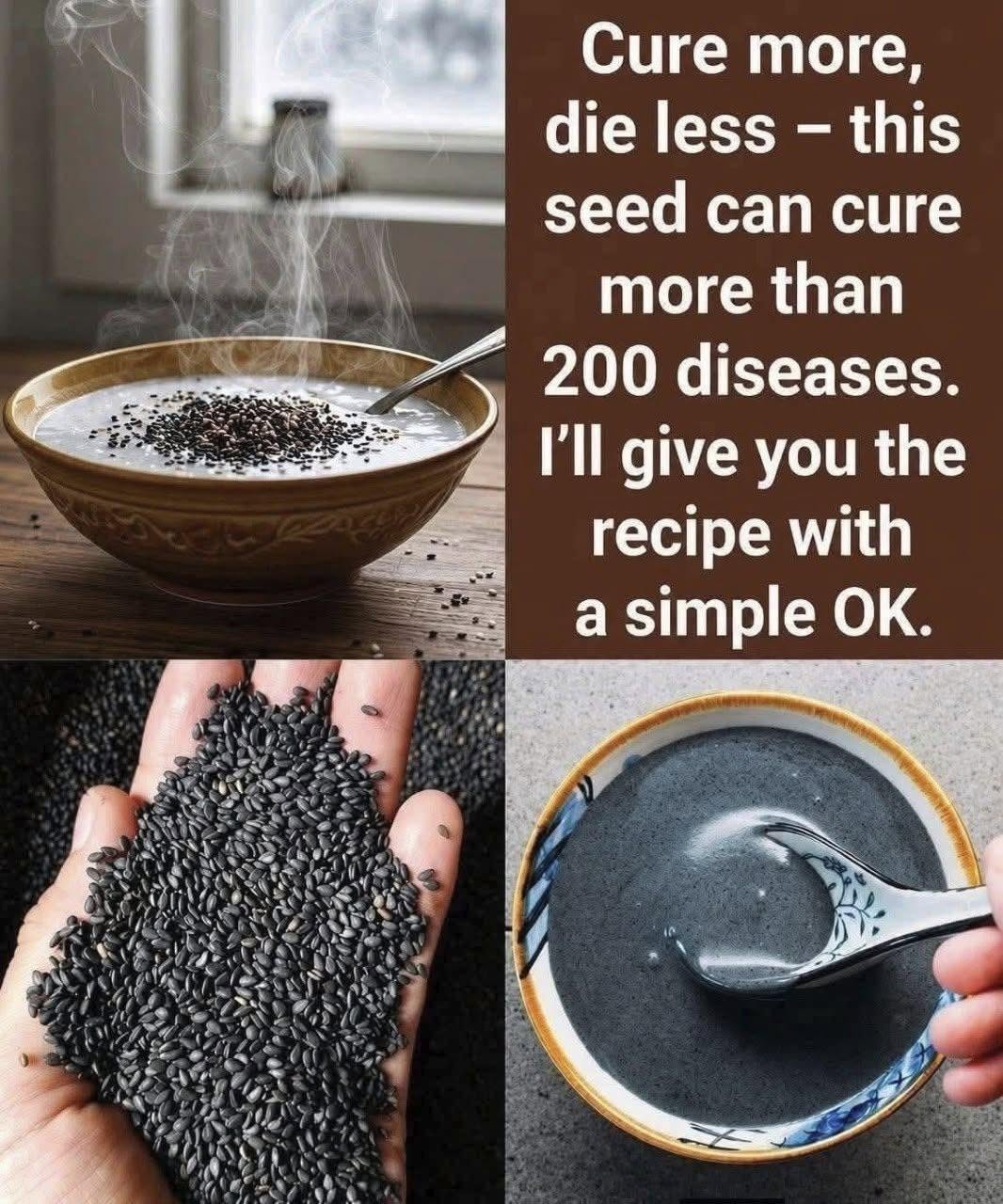
Method B: Black Seed Porridge Garnish
This traditional method (shown in many cultural preparations) involves swirling a teaspoon of freshly ground black seeds into a warm bowl of:
Oatmeal
Rice porridge
Congee
Warm milk
Dosage: 1 teaspoon (approximately 2-3 grams) per serving provides a robust, nutty flavor alongside a powerful dose of antioxidants.
Method C: Black Seed and Honey Blend
In traditional settings, ground black seed is frequently mixed with raw honey to create a thick, stable paste. This preparation dates back centuries and is documented in traditional Arabic and Ayurvedic texts.
