
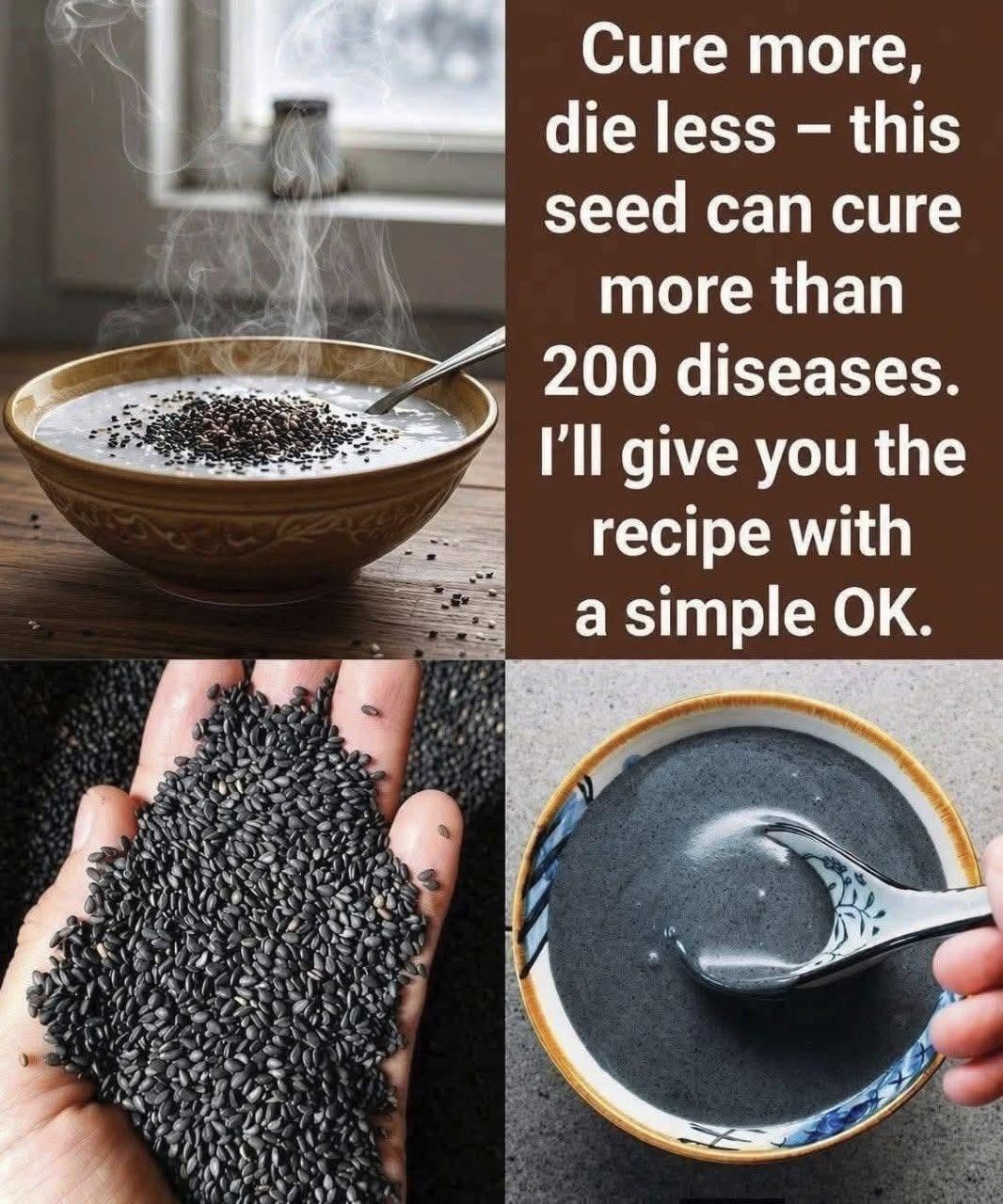
Dosage: 1 teaspoon (approximately 2-3 grams) per serving provides a robust, nutty flavor alongside a powerful dose of antioxidants.
Method C: Black Seed and Honey Blend
In traditional settings, ground black seed is frequently mixed with raw honey to create a thick, stable paste. This preparation dates back centuries and is documented in traditional Arabic and Ayurvedic texts.
Instructions:
Step Action
1 Grind 1/4 cup of black seeds into a fine powder
2 Mix with 1/2 cup of raw honey until a thick paste forms
3 Store in a glass jar at room temperature
4 Take 1 teaspoon daily (morning recommended)
Step 4: Recommended Dosages (Based on Clinical Studies)
Purpose Form Dosage Duration
General wellness Ground powder 1-2 g/day (1/2-1 tsp) Ongoing
Metabolic support Powder or oil 2-3 g/day 8-12 weeks
Respiratory comfort Oil 1-2 mL/day 4-8 weeks
Inflammation Oil 1-2 mL/day 8-12 weeks
Important: These dosages are derived from clinical research and should be adjusted based on individual tolerance and health status. Always consult a healthcare provider before starting any new supplement regimen.
⚠️ Important Side Effects and Safety Boundaries
While black seed is an exceptional, nutrient-dense ingredient with an excellent history of safe culinary use, adherence to safety rules is non-negotiable.
Contraindications and High-Risk Groups
Group Risk Level Reason
Pregnant individuals ❌ Avoid therapeutic doses May stimulate uterine contractions
Breastfeeding individuals ⚠️ Insufficient safety data Avoid concentrated forms
Children under 5 ⚠️ Low doses only Insufficient safety data
People with bleeding disorders ❌ Avoid high doses Anti-platelet effects
Diabetics on medication ⚠️ Monitor closely May cause hypoglycemia
Hypertensive patients on drugs ⚠️ Monitor closely May cause hypotension
Surgical patients ❌ Stop 2 weeks before Bleeding risk
Medication Interactions
Medication Class Interaction Recommendation
Antidiabetics May lower blood glucose too much Monitor glucose closely
Antihypertensives May lower blood pressure too much Monitor BP regularly
Blood thinners May increase bleeding risk Consult doctor before use
Immunosuppressants May stimulate immune system Potential antagonism
Cytochrome P450 substrates May affect drug metabolism Caution with narrow-therapeutic-window drugs
Side Effects (Reported at Therapeutic Doses)
Effect Frequency Severity
Mild digestive upset Common (5-10%) Mild
Allergic skin reaction Rare (<1%) Mild-Moderate
Nausea Occasional (2-5%) Mild
Headache Rare (<1%) Mild
Hypotension (if overdosed) Rare Moderate
Signs of Overdose or Adverse Reaction
Seek medical attention if you experience:
Severe nausea or vomiting
Dizziness or fainting
Rapid or irregular heartbeat
Skin rash or hives
