
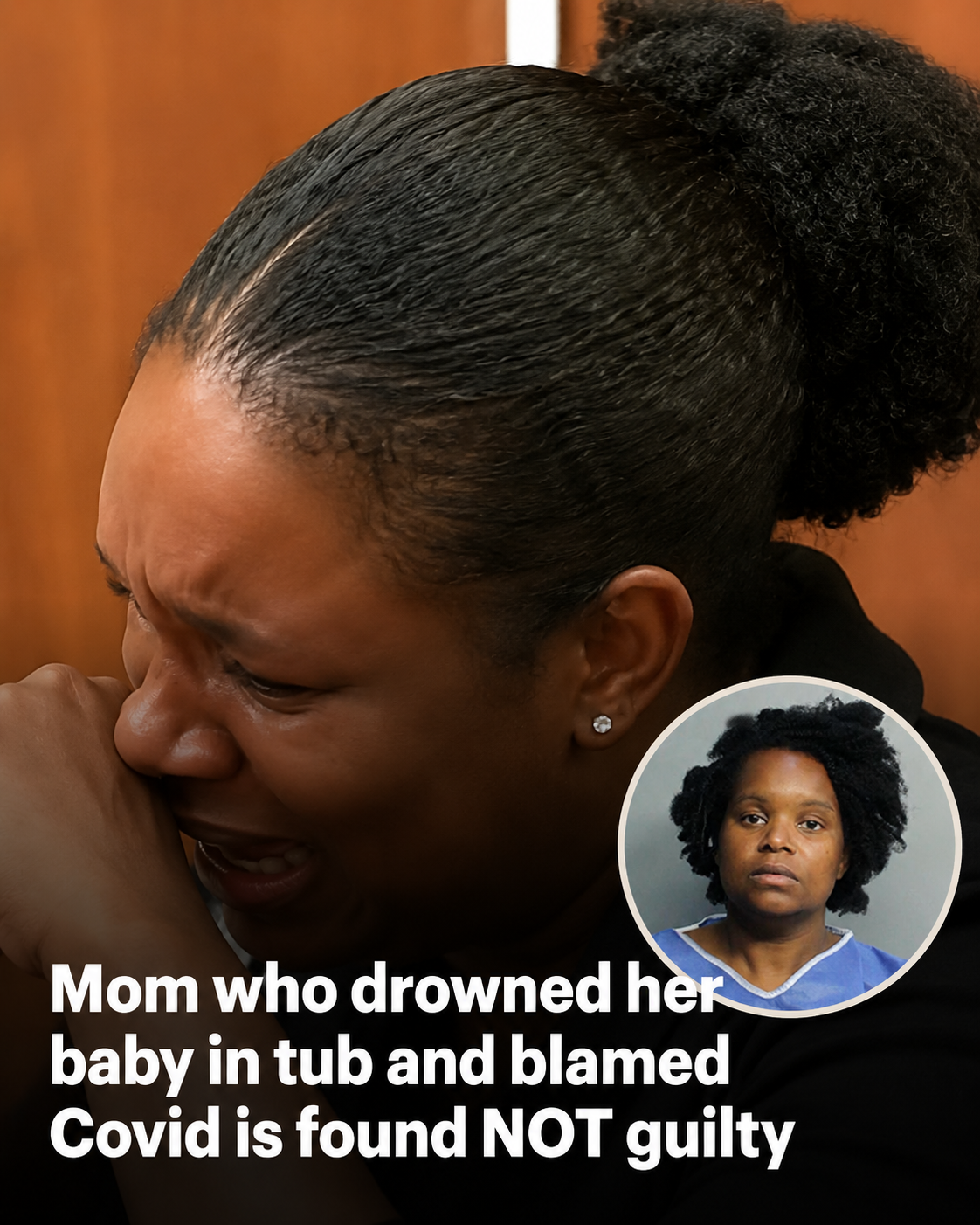
A courtroom verdict has sparked intense debate across social media and news platforms after a mother accused of drowning her infant in a bathtub was found not guilty by reason of insanity. The emotionally charged case has left many people questioning how such a tragic event could result in an acquittal and what role mental health may have played in the outcome.
The case highlights the complicated intersection of criminal justice, mental illness, motherhood, and the long-term psychological effects that can follow major life events and global crises such as the COVID-19 pandemic.
The Tragic Incident
According to court records and reports surrounding the case, a mother was accused of causing the death of her young child by drowning the baby in a bathtub. The incident shocked family members, neighbors, and the wider community.
Authorities initially investigated the death as a homicide. Prosecutors argued that the mother was responsible for her child’s death and sought to prove that she knowingly committed the act.
As the case unfolded, however, defense attorneys presented a different picture—one involving severe mental illness, psychological distress, and a loss of touch with reality.
The Defense’s Argument
During the trial, defense lawyers argued that the woman was suffering from serious mental health issues at the time of the incident.
Medical experts testified about her psychological condition and explained how certain mental illnesses can dramatically affect a person’s ability to understand reality, make rational decisions, or recognize the consequences of their actions.
The defense maintained that the mother’s mental state prevented her from fully understanding what she was doing when the tragedy occurred.
Experts discussed symptoms that can occur in severe psychiatric episodes, including:
- Delusions
- Hallucinations
- Extreme paranoia
- Disorganized thinking
- Loss of contact with reality
- Severe depression with psychotic features
These symptoms can significantly impair judgment and behavior.
The COVID Connection
One of the most controversial aspects of the case involved claims related to COVID-19.
Reports indicated that the mother believed COVID was somehow connected to the situation, and her statements became part of the discussion during the trial.
Mental health professionals explained that individuals experiencing psychosis may develop beliefs that seem irrational or disconnected from reality. These beliefs can become deeply convincing to the person experiencing them.
The pandemic itself created widespread stress, anxiety, isolation, and uncertainty around the world. Researchers have documented increases in mental health struggles during and after the COVID era, including depression, anxiety disorders, and other psychological challenges.
While COVID itself was not considered the direct cause of the tragedy, the case raised questions about how existing mental health problems may have been worsened during periods of extreme stress.
