
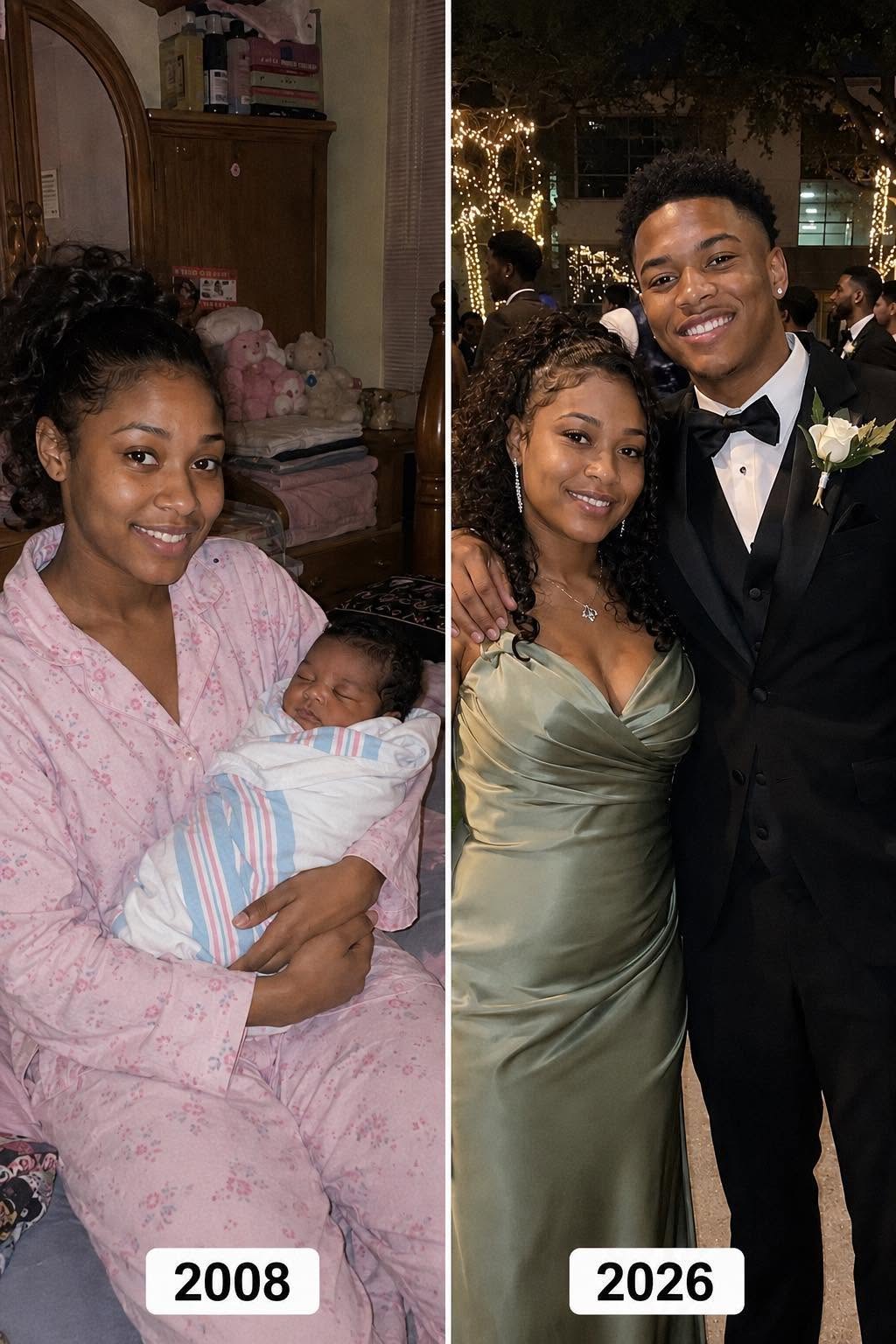
Opening Night
The hallway smelled like disinfectant and cheap coffee, the kind of stale aroma that clung to the linoleum after the school’s cleaning crew had finished their midnight shift. I was standing by the lockers, the metal doors humming under the weight of my backpack, waiting for the last bell to ring. My shoes squeaked on the polished floor, a thin, high‑pitched sound that seemed to echo louder than it should. The fluorescent lights buzzed, flickering just enough to make the shadows on the walls dance.
There was a girl in front of me, her hair pulled into a tight ponytail, her cheeks flushed from the cold air that slipped in through the cracked windows. She was whispering to someone on her phone, the words lost in the clatter of lockers slamming shut. I could hear the distant thump of a basketball bouncing in the gym, the rhythmic thud that marked the end of another school day.
My phone buzzed in my pocket. I pulled it out, glanced at the screen, and saw my mother’s name lit up in a soft teal. I stared at it a moment, feeling a knot tighten in my chest. The last time I’d seen her was in the kitchen, her hands dusted with flour, a half‑baked loaf of banana bread cooling on the counter. That memory was warm, but the present felt colder, like the air that seeped through the cracks in the hallway ceiling.
Mom, you coming?
I typed a quick reply, my thumb hovering over the send button. I could hear the hallway’s chatter swell, the clamor of students spilling out into the parking lot, the squeal of tires on wet pavement. The bell rang, a shrill clang that made everyone turn their heads.
We all poured out of the building, the crowd a river of denim and backpacks, the sky above a bruised purple as the sun began to set. I caught sight of the school’s flagpole, its red and white stripes fluttering in the wind, and for a second I imagined myself standing there, a lone figure against the backdrop of my own story.
My mother’s car was parked a few rows down, its paint a faded teal that matched the color of her name on my phone. The engine was off, but a faint humming of the heater could be heard as she waited. She was sitting on the curb, her shoulders hunched, a soft blue cardigan draped over her knees. She looked up as I approached, her eyes brightening for a split second before the tiredness returned.
“Hey, kiddo,” she said, her voice low, the words barely cutting through the wind.
“Hey, Mom.” I slipped into the passenger seat, the seat belt clicking into place. The car smelled of a faint lemon cleaner, the kind that tries to hide the smell of gasoline.
She reached over, brushed a strand of hair from my forehead, and for a moment, I could see the ghost of a smile that never quite made it to her mouth.
The Past That Holds Us
My mother, Carla, had been a sophomore at Jefferson High when she found out she was pregnant with me. The news came on a rainy Thursday in October, the kind of rain that made the windows of the school look like they were weeping. She was sitting in the bleachers, her hands clenched around a battered notebook, when the nurse called her name. She went to the office, and the fluorescent lights hummed as the nurse whispered the words that would change everything.
“Congratulations,” the nurse said, her tone too bright for the gravity of the moment. “You’re going to have a baby.”
Carla’s breath hitched. She stared at the floor, the tiles cold and unyielding. The nurse handed her a pamphlet, its glossy pages promising hope, but the words felt like a weight pressing down on her chest.
She told me later, over the kitchen table, how she had to trade the glittery prom dress she’d been saving for months for a set of disposable diapers. She remembered the feel of the dress’s sequins sliding through her fingers, the way the fabric caught the light. She imagined herself twirling under a disco ball, the music thumping through the speakers. Instead, she found herself folding diapers on a folding table at the local grocery store, the cheap plastic scent filling her nostrils.
She took double shifts at the diner on 5th and Main, the clatter of plates and the hiss of the grill becoming the soundtrack of her nights. The neon sign outside flickered, casting a pink glow onto the sidewalk. She would sit in the break room, her hands wrapped around a lukewarm coffee cup, the paper sleeve crinkling under her fingers. She told me the taste of the coffee was bitter, but the warmth was a small mercy.
While she was working, she studied for her GED. She would pull out a battered textbook in the back of the diner, the pages yellowed at the edges, the ink smudged from countless rereads. She’d underline sentences with a red pen that bled through the paper, the scent of ink mixing with the greasy smell of fried onions. She did it all while I slept in a crib that rocked gently from the vibrations of the kitchen’s exhaust fan.
My biological father, Mark, had been a senior that year. He was the quarterback, the guy who walked down the hallway with a swagger that made the lockers tremble. He was supposed to be there when Carla told him, to hold her hand, to promise a future. Instead, the same day she told him, he vanished. He left a note scribbled on a napkin, the ink smudged, the words barely legible: “I’m sorry.” Then he was gone. No calls. No support. Nothing.
I grew up hearing the story over and over, the way a song repeats a chorus until it becomes part of the background. My stepdad, Mike, entered the picture when I was ten, a broad‑shouldered man with a laugh that filled the whole house. He married my mother when I was twelve, bringing a sense of stability that had been missing for so long. He had a daughter, Brianna, two years older than me, who grew up in the same house, sharing a bedroom with me for a few months before moving out to her own place.
Brianna was the kind of girl who knew exactly how to fold a napkin into a perfect triangle, the kind of girl who could turn a casual comment into a weapon. She’d clear her throat before speaking, a habit that made people pause. She’d laugh at the wrong moment, a giggle that sounded like a broken record.
