
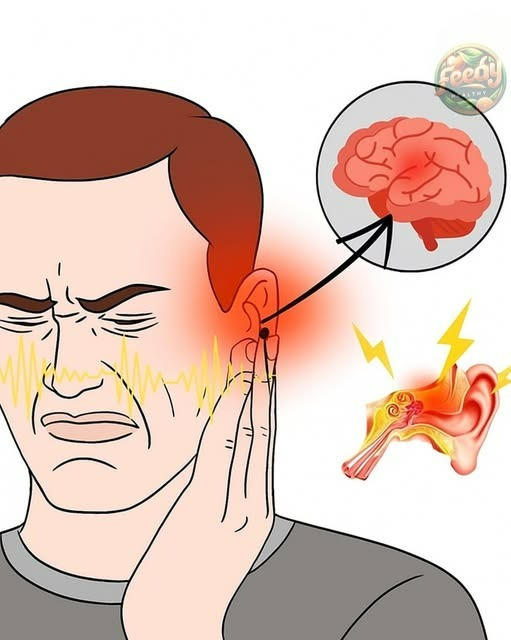
- Noise-Induced Hearing Loss (The Most Common Cause)
This is what happened to me. Loud noises—concerts, power tools, gunfire, heavy machinery, even loud headphones—damage the hair cells in your cochlea. Those cells don’t regenerate. Once they’re damaged, they’re damaged forever.
The science: Studies show that chronic noise exposure is the leading cause of tinnitus, accounting for up to 80% of cases. The damage is cumulative. One loud concert might not do permanent damage on its own. But years of lawn mowing, power tools, loud music, and traffic noise add up.
What you can do: Prevention is everything. Wear hearing protection (earplugs or earmuffs) in loud environments. Turn down the volume on your headphones. Give your ears quiet breaks.
- Age-Related Hearing Loss (Presbycusis)
As you age, your cochlear hair cells naturally deteriorate. This usually starts around age 60. Tinnitus often accompanies this gradual hearing loss.
The science: Approximately one in three adults over 65 has some degree of hearing loss, and a significant percentage of those also experience tinnitus.
What you can do: Regular hearing tests. Hearing aids can help—by amplifying external sounds, they make the internal tinnitus less noticeable.
- Earwax Blockage (The Easiest Fix)
Sometimes the answer is simple. A buildup of earwax can block your ear canal, change the pressure in your ear, and cause tinnitus.
The science: Earwax impaction is a surprisingly common cause of tinnitus. Removing the wax often resolves the ringing completely.
What you can do: See a doctor. Do not use cotton swabs (Q-tips) to dig at earwax—you’ll push it deeper and risk damaging your eardrum. Doctors have safe methods (irrigation, suction, or manual removal).
- Medications (Ototoxicity)
Over 200 medications are known to be ototoxic—meaning they can damage the inner ear and cause tinnitus. In some cases, the tinnitus is temporary. In others, it’s permanent.
Common culprits:
High doses of aspirin (8-12 pills daily)
Nonsteroidal anti-inflammatory drugs (NSAIDs like ibuprofen, naproxen)
Certain antibiotics (gentamicin, neomycin, erythromycin)
Loop diuretics (furosemide, bumetanide)
Chemotherapy drugs (cisplatin, carboplatin)
Quinine (used for malaria, also in tonic water)
What you can do: If you notice tinnitus after starting a new medication, ask your doctor about alternatives. Never stop a prescribed medication without medical guidance.
- Meniere’s Disease
This inner ear disorder causes episodes of vertigo (dizziness), hearing loss, and tinnitus—often described as a roaring or whooshing sound.
ClothingAccessories
The science: Meniere’s is caused by fluid buildup in the labyrinth of your inner ear. It’s relatively rare (about 0.2% of the population). Tinnitus in Meniere’s often comes and goes with vertigo episodes.
What you can do: See an ENT specialist. Meniere’s is manageable with dietary changes (low salt), medications, and in severe cases, surgery.
- Temporomandibular Joint (TMJ) Disorders
Your jaw joint sits right next to your ear. Problems with TMJ—teeth grinding, misaligned bite, jaw clenching—can cause tinnitus.
The science: TMJ disorders can affect the muscles, ligaments, and bones around your ear, leading to tinnitus. Treating the TMJ often resolves the tinnitus.
What you can do: See a dentist or TMJ specialist. Treatment may include night guards, physical therapy, or bite adjustments.
- Head or Neck Injuries
Trauma to your head or neck can damage your auditory nerves, inner ear structures, or the parts of your brain that process sound.
The science: Whiplash, concussions, and other head injuries can cause unilateral tinnitus (ringing in one ear). The risk is higher if the injury affected your hearing, caused dizziness, or resulted in a skull fracture.
What you can do: If tinnitus starts after a head injury, see a doctor immediately. You may need imaging (CT or MRI) to rule out serious damage.
- Vascular Conditions (Pulsatile Tinnitus)
This is when your tinnitus sounds like a rhythmic whoosh—in time with your heartbeat. It’s called pulsatile tinnitus.
Possible causes:
