
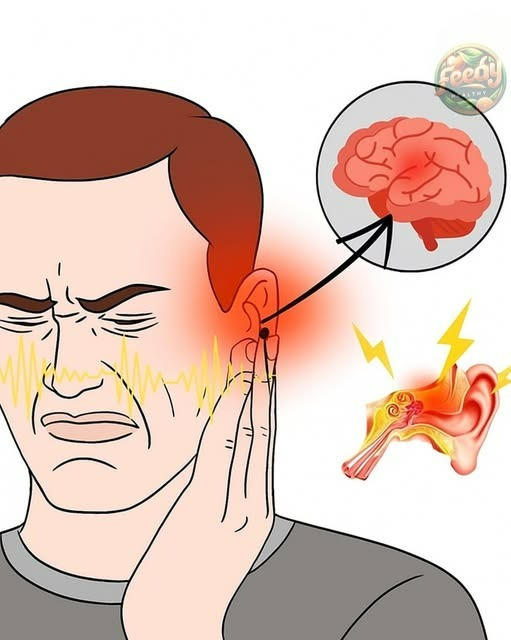
The brain’s ability to habituate: Your brain is remarkably good at learning to ignore irrelevant sounds. When tinnitus first starts, it’s impossible to ignore. Over weeks or months, your brain may learn to filter it out, much like you ignore the hum of your refrigerator or the sound of traffic outside your window.
About 80% of people with chronic tinnitus find that it becomes less bothersome over time, even if the sound itself remains.
Treatments That Actually Work (And What to Skip)
Let me be clear: there is no FDA-approved cure for most types of tinnitus. If someone promises a “miracle cure” or “tinnitus breakthrough,” they’re likely trying to sell you something.
That said, there are evidence-based treatments that can reduce the severity, improve quality of life, and help you manage the condition.
1. Sound Therapy (Masking)
White noise machines, nature sounds, or customized sound generators can make tinnitus less noticeable. The goal isn’t to “cover up” the tinnitus. It’s to provide a neutral background sound that makes the ringing less prominent.
What works: Affordable white noise machines, smartphone apps (Relief, White Noise, myNoise), or even a quiet fan or air purifier. For more severe cases, specially programmed hearing aids can deliver sound therapy.
2. Cognitive Behavioral Therapy (CBT)
This is the most well-researched treatment for tinnitus distress. CBT doesn’t change the sound. It changes your emotional reaction to it.
What happens: A therapist helps you identify negative thoughts about tinnitus (“I’ll never sleep again,” “This is ruining my life”) and replace them with more neutral, realistic thoughts (“Tinnitus is annoying, but I can still enjoy my day”). CBT also teaches relaxation techniques and attention redirection.
Evidence: Multiple clinical trials show that CBT significantly reduces tinnitus-related distress, anxiety, and sleep problems.
3. Hearing Aids
If you have hearing loss (even mild), hearing aids can help in two ways: (1) They amplify external sounds, making the internal tinnitus relatively quieter. (2) Many modern hearing aids have built-in sound generators for masking.
Evidence: Studies show that hearing aids reduce tinnitus severity in 50-80% of people with both hearing loss and tinnitus.
4. Tinnitus Retraining Therapy (TRT)
TRT combines sound therapy with counseling. You wear a device that produces neutral background sound (at a very low volume, just below the level of your tinnitus). Over months, your brain learns to classify the tinnitus as irrelevant background noise.
Evidence: Multiple studies show TRT is effective, but it requires a trained specialist and is often not covered by insurance.
5. Addressing Underlying Causes
- Remove earwax (tinnitus often resolves)
- Treat TMJ disorders (dental night guard, physical therapy)
- Manage high blood pressure or other vascular conditions
- Switch ototoxic medications (with your doctor’s guidance)
- Treat anemia (iron supplements)
- Manage thyroid disease
What to Skip (The “Miracle Cures”)
- Supplements (ginkgo biloba, zinc, magnesium, B vitamins) – Large studies show no benefit for tinnitus.
- Acupuncture – Weak evidence, likely placebo effect.
- Hypnosis – Not proven effective for tinnitus.
- Chiropractic adjustments – No evidence for tinnitus.
- Expensive “tinnitus devices” – Many are overpriced versions of simple sound generators.
Save your money. Spend it on a hearing test or a good pair of noise-canceling headphones instead.
Living with Tinnitus: Practical Tips That Help
While there’s no cure, you can reduce the impact of tinnitus on your daily life.
Protect your hearing from now on. You can’t reverse existing damage, but you can prevent more. Always wear earplugs at concerts, when using power tools, and during other loud activities.
