
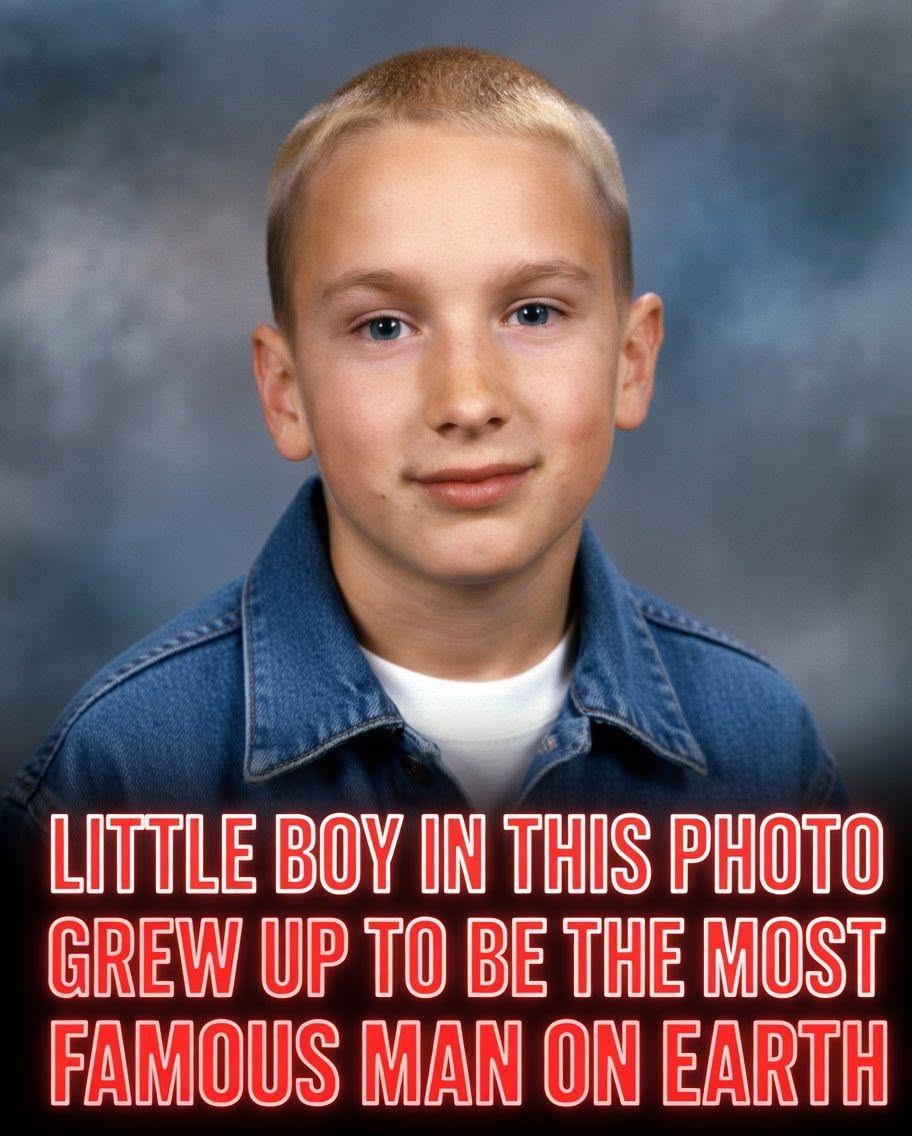
The relentless pressure of global fame, combined with the baggage of his childhood trauma, pulled him into a severe, near-fatal prescription drug addiction. For years, the music took a backseat to survival. Following a critical overdose in 2007 that nearly cost him his life, Marshall chose to rebuild himself from scratch.
True artists find their strength in recovery. Returning to the studio completely sober, he released Relapse and the multi-platinum Recovery, openly documenting his struggle with dependency. Songs like “Not Afraid” became anthems of resilience for millions of fans fighting their own quiet wars. He had conquered the charts; now, he had conquered himself.
Beyond the Mic — The Reclusive King
Offstage, Eminem has maintained a fiercely private, enigmatic presence.
Rather than chasing Hollywood elite circles, he chose to stay anchored to Michigan, establishing his Shady Records label to launch the careers of powerhouses like 50 Cent and D12. Through his Marshall Mathers Foundation, he has quietly funded millions in charity to help at-risk youth in Detroit, never seeking the spotlight for his generosity.
Yet, despite decades at the top, his work ethic remains that of a starving artist. He still locks himself in rooms for days, filling yellow legal pads with ink, constantly looking for new ways to manipulate the English language.
The Man Behind the Legend
Eminem has never truly left Detroit behind. His heart belongs to his daughters, whom he fiercely protected from the paparazzi throughout his chaotic rise.
Every time he reflects on his journey, he honors the memory of his closest childhood friend, Proof, whose tragic passing deeply scarred him but fueled his determination to keep the Shady legacy alive. He went from a kid who couldn’t pay his utility bills to a father who gave his family everything he never had.
