
Cleaner tasting
Slightly smoother
Less syrupy
More refreshing
Others insist the difference is minimal.
The reality is that taste perception varies from person to person.
Some consumers specifically stock up on yellow-cap Coke every spring—not for religious reasons, but because they genuinely prefer the flavor.
Interestingly, many compare it to the taste of Mexican Coca-Cola, which is also typically sweetened with cane sugar.
ADVERTISEMENT PLACEMENT
A Small Change That Means a Lot
What makes the yellow-cap tradition so remarkable is its simplicity.
Coca-Cola is one of the largest beverage companies in the world.
Yet every year, the company quietly adjusts its recipe to accommodate a specific community’s dietary needs.
The yellow cap isn’t a major marketing campaign.
It’s not a collector’s edition.
It’s simply a practical solution designed to help observant consumers celebrate an important holiday while enjoying a familiar product.
For many shoppers, that small gesture represents something larger:
Respect.
Inclusion.
Recognition.
Where Can You Find Yellow-Cap Coca-Cola?
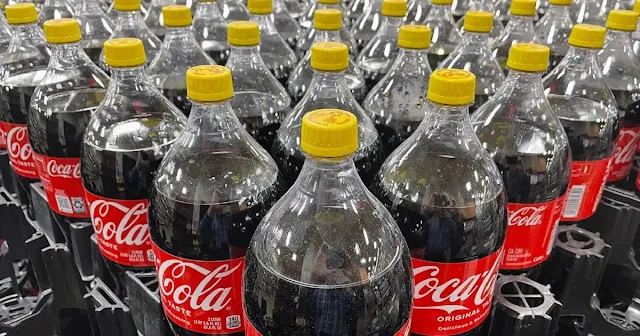
Yellow-cap Coca-Cola usually appears several weeks before Passover.
It’s most commonly found in areas with significant Jewish populations, including parts of:
New York
New Jersey
Florida
California
Illinois
The bottles typically remain available only during the Passover season before quietly disappearing from shelves again.
Because availability is limited, many loyal fans purchase multiple cases while they can.
Why Coca-Cola Doesn’t Charge More
One surprising detail about yellow-cap Coke is that it generally sells for the same price as regular Coca-Cola.
Considering that it requires a separate production process and specialized certification, many consumers are surprised there isn’t a premium price attached.
Instead, Coca-Cola treats it as a seasonal accommodation rather than a specialty luxury product.
For many shoppers, that decision has earned the company additional goodwill over the years.
The Marketing Lesson Behind the Yellow Cap
From a branding perspective, the yellow cap demonstrates something powerful:
Sometimes the most effective marketing isn’t loud.
It’s thoughtful.
The yellow cap doesn’t rely on celebrity endorsements, viral campaigns, or flashy packaging.
Instead, it creates customer loyalty through a meaningful gesture that serves a real purpose.
Consumers notice.
And they remember.
Many shoppers now view its arrival as an unofficial sign that Passover is approaching.
