
As people grow older, changes in intimacy are a natural part of life, yet they are often misunderstood.
Intimacy includes affection, physical touch, emotional closeness, companionship, and the feeling of being connected to another person.
When intimacy gradually becomes less frequent with age, both the body and mind may experience subtle but important changes. While these changes are not necessarily harmful, understanding them can help people maintain their overall well-being and quality of life.
Hormonal Changes and Physical Well-Being
One of the first areas affected by reduced intimacy is hormone production. Physical affection and close personal connection stimulate the release of hormones such as oxytocin, dopamine, and endorphins. These chemicals play an important role in promoting happiness, reducing stress, and supporting emotional balance.
When intimacy decreases, these hormones may be released less often, which can leave some people feeling less emotionally fulfilled or more vulnerable to stress.
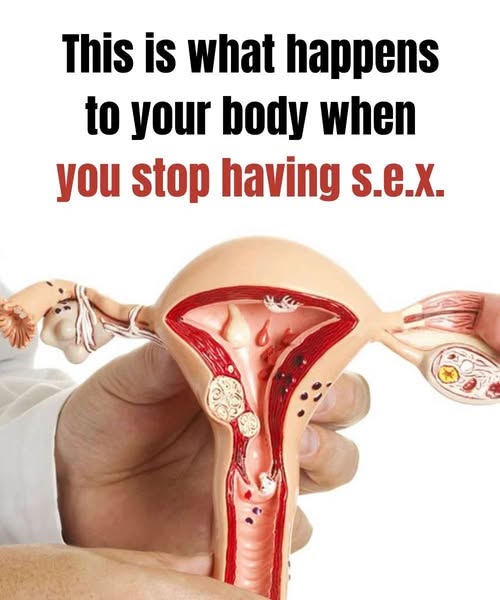
Aging itself also brings hormonal changes. Women experience shifts associated with menopause that may affect comfort and overall well-being. Men often see a gradual decline in testosterone levels, which can influence energy and muscle strength. While reduced intimacy does not directly cause these changes, it may make their effects feel more noticeable.
