
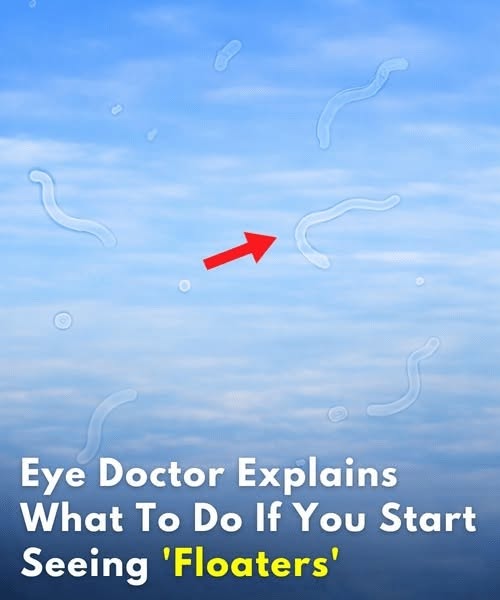
The fear of losing vision is real when eye floaters appear alongside other symptoms. That curtain-like shadow or burst of flashes can trigger immediate panic, making it hard to think clearly about next steps.
Here’s the thing: recognizing warning signs early is crucial for protecting your sight.
Key Symptoms That Require Prompt Attention
If new eye floaters come with any of these, contact an eye care professional right away:
- Sudden shower of new eye floaters
- Flashes of light in your peripheral vision
- A dark curtain or shadow moving across your field of view
- Blurred vision or loss of side vision
- Eye pain or redness accompanying the eye floaters
| Common Benign Eye Floaters | Potentially Serious Eye Floaters |
|---|---|
| Gradual onset over months or years | Sudden onset or rapid increase |
| Few in number, stable over time | Many new ones appearing at once |
| No other symptoms | Accompanied by flashes or vision loss |
| More noticeable in bright light | Persistent even in dim conditions |
| Common with aging | May follow eye injury or surgery |
What to Do When You Notice New Eye Floaters
The first step with new eye floaters is simple: don’t ignore them, but don’t panic either. Start by monitoring how they behave over a few days.
That constant worry about whether eye floaters mean something worse can be draining. The good news is that a professional evaluation brings clarity and peace of mind.
Schedule an eye exam soon, especially if the eye floaters are persistent or bothersome. Your eye doctor will dilate your pupils to examine the vitreous and retina thoroughly.
Practical Steps to Support Overall Eye Health
While you can’t always prevent eye floaters, certain habits can help maintain healthy vision and potentially reduce strain that makes eye floaters more noticeable.
Living with distracting eye floaters often highlights how precious clear vision is. Small daily changes can make a meaningful difference in eye comfort.
