
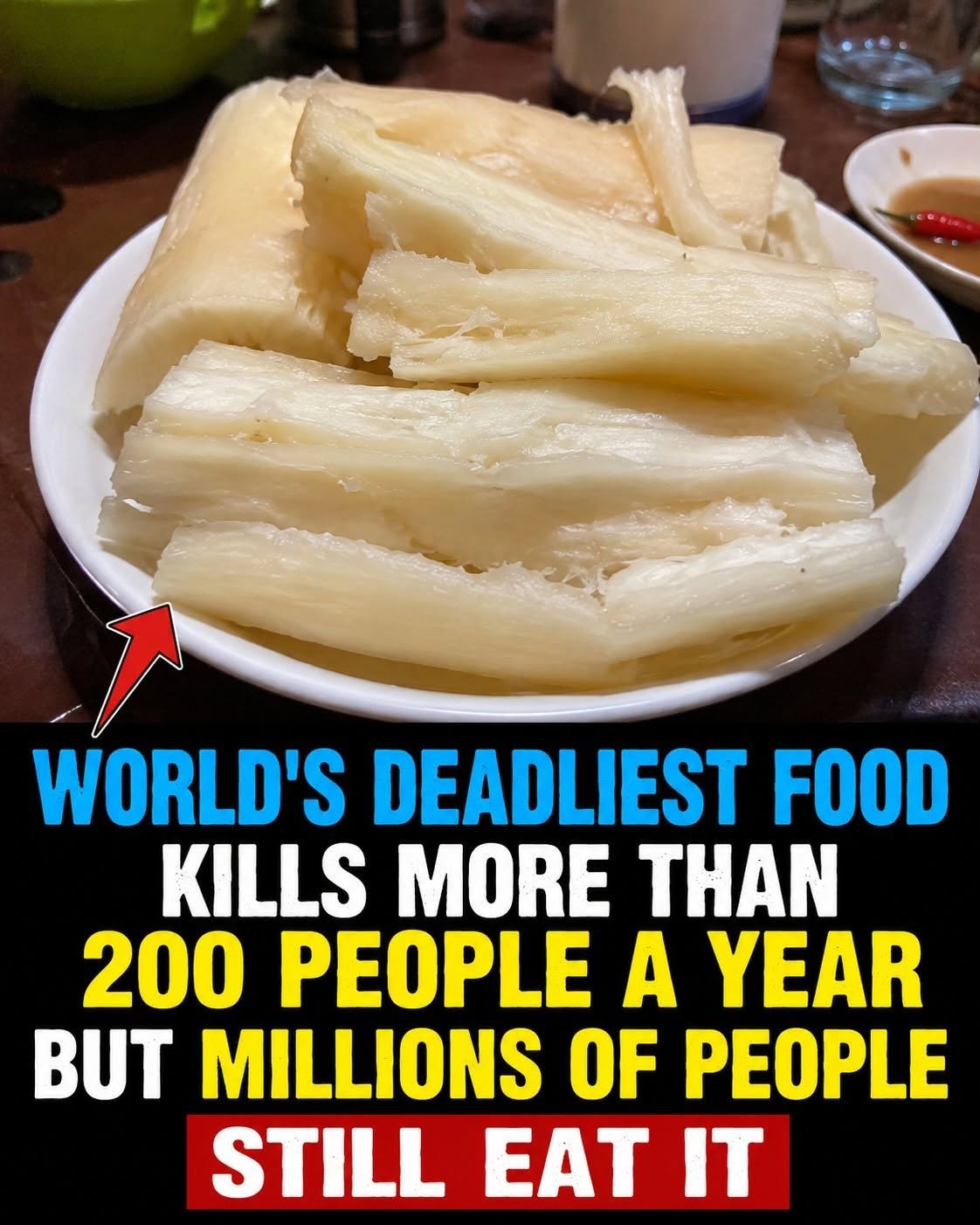
Many families around the world lean on cassava as an affordable, filling staple that helps stretch meals and fight hunger, but the thought of this everyday root containing natural compounds that can release cyanide if things go wrong can feel truly unsettling. That quiet worry builds when you hear about occasional health scares in communities where it’s a daily essential, especially for those juggling busy kitchens or limited resources. It turns a simple ingredient into something that makes you pause before peeling or cooking. The reassuring part? With the right everyday steps passed down through generations and backed by practical food safety guidance, cassava can become a dependable, worry-free addition to your table – and the exact process that makes it safe is something you’ll want to discover before your next grocery trip.
What Gives Cassava Its Risky Reputation
But here’s the thing that surprises most people: cassava isn’t out to harm anyone on purpose. It naturally produces cyanogenic glycosides, compounds that can break down into hydrogen cyanide when the root is damaged or eaten unprepared. Research shared by global agricultural experts shows this happens more in certain varieties, especially those grown in tropical climates where the plant protects itself from pests this way.
The concern feels very real because, without proper handling, these compounds could interfere with how the body uses oxygen. That’s why some health reports highlight cassava as one that needs extra attention compared to other roots like potatoes or carrots.
Why Millions Still Rely on Cassava Every Day
And that’s not even the full picture. Cassava thrives where other crops struggle, offering a steady supply of calories in places hit hard by drought or poor soil. International studies note it supports nutrition for hundreds of millions, making it a true lifeline for food security across continents.
