
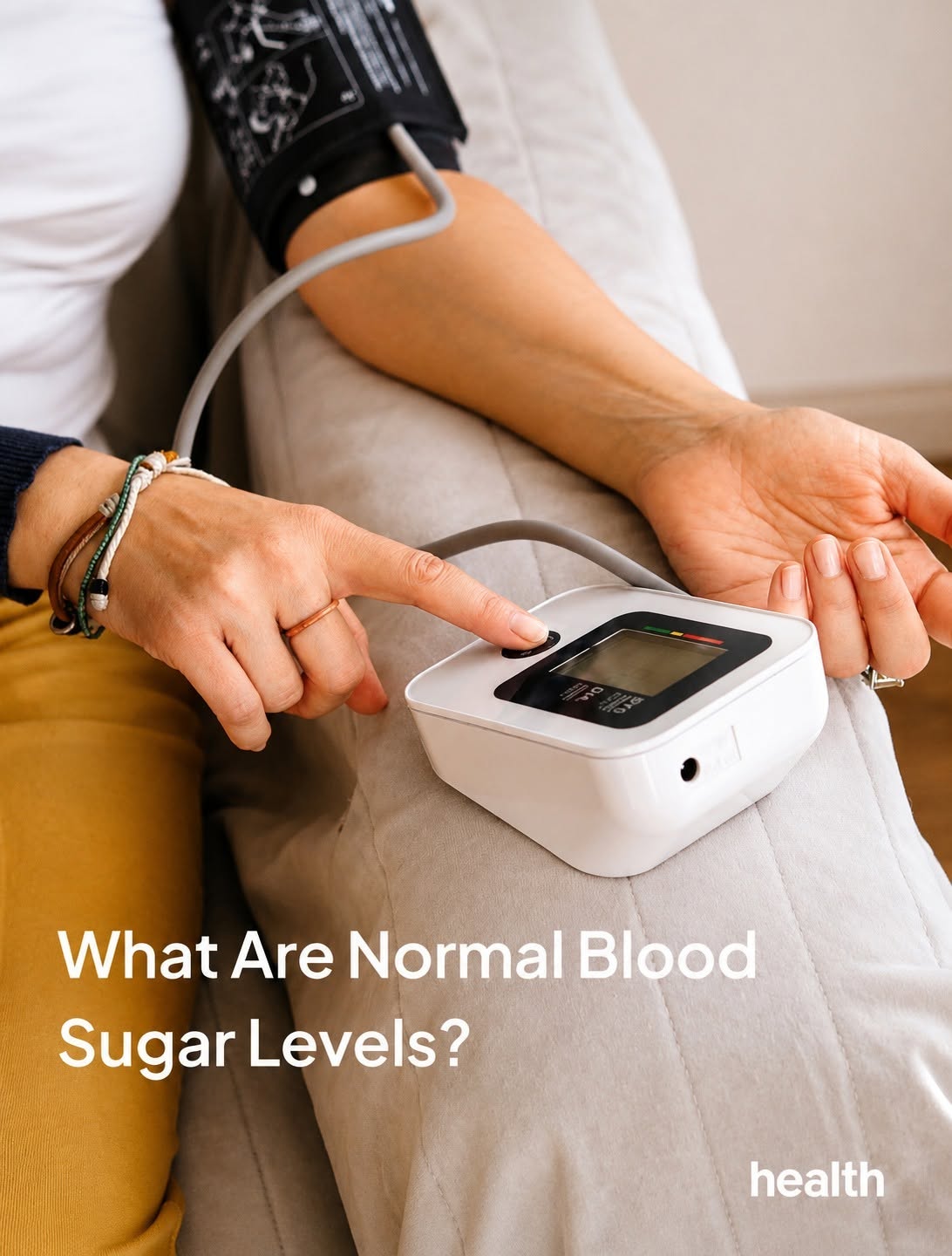
Normal blood sugar – Person testing blood sugar at home
lisegagne / Getty Images
Fasting blood sugar levels may vary based on factors like alcohol consumption, antibiotics, and blood insulin levels.
Age, medical history, sex, and medications can affect blood sugar levels.
High blood sugar levels indicate prediabetes and put you at risk for diabetes; low blood sugar levels are also dangerous.
Generally, a normal blood sugar range is about 70-100 mg/dL.1 Monitoring your blood sugar can help prevent serious complications if you have diabetes.23
How To Tell If Your Blood Sugar Is Normal
Multiple factors can affect your blood sugar, including alcohol consumption, certain antibiotics, and the amount of insulin in your bloodstream.4 Insulin is a hormone that helps regulate blood glucose levels.
Normal blood sugar levels for people without diabetes and recommended target ranges for people with diabetes can vary based on factors like:2
Age
Illness
Level of physical activity
Medications
Stress
The following chart includes general guidelines for blood sugar levels measured in milligrams per deciliter (mg/dL).156
Age Normal Fasting Glucose Without Diabetes Target Glucose Range for Type 1 Diabetes Before Meals Target Glucose Range for Type 1 Diabetes at Bedtime
Adults and Children 13-19 70-100 mg/dL 90-130 mg/dL 90-150 mg/DL
Children 6-12 70-100 mg/dL 90-180 mg/DL 100-180 mg/DL
Children Under 6 70-100 mg/dL 100-180 mg/DL 110 to 200 mg/DL
How Is Blood Sugar Tested?
A healthcare provider may recommend one or more tests to measure your blood sugar.
These tests can help diagnose prediabetes or diabetes. Prediabetes means your blood sugar is higher than normal but not high enough to be diagnosed with diabetes.
Types of diabetes include:7
Gestational: High blood sugar during pregnancy that usually resolves after delivery.
Type 1: An autoimmune condition in which your immune system mistakenly attacks insulin-producing cells, which turns off insulin production. Type 1 diabetes can’t be prevented.
Type 2: A chronic (long-term) condition in which your body doesn’t make enough insulin or use it properly, leading to elevated blood sugar levels. Type 2 diabetes is preventable through lifestyle changes.
If you are diagnosed with diabetes or prediabetes, you’ll likely start monitoring your blood sugar levels throughout the day on an ongoing basis.
In-Office Testing
Testing your blood sugar is relatively simple, and you won’t have to wait long for results. Possible tests you may receive in a healthcare provider’s office include:
A1C: This test is also known as the hemoglobin A1C or HbA1c test. Your healthcare provider will take a small blood sample. The test determines your average blood sugar levels over the past three months.8
Fasting plasma glucose (FPG): This test measures your blood glucose levels after you’ve fasted for at least eight hours. Avoid eating or drinking anything except water for eight hours before the test.9
Oral glucose tolerance test (OGTT): This test is often used to screen for gestational diabetes. You’ll eat a normal carbohydrate diet for the three days before testing and then fast for 10-16 hours. Your healthcare provider will take a baseline blood sample at your appointment. You’ll drink liquid glucose after that. You may be tested again after 30 minutes, 60 minutes, 90 minutes, or 120 minutes to see how your body reacts to the glucose.10
At-Home Testing
You can use a small, portable device called a blood sugar meter (glucometer) to monitor your blood sugar at home.
There are many kinds of meters or monitors, and you can buy them online and at your nearest pharmacy. They often work the same way and include a lancing (pricking) device called a lancet. You’ll need to refill lancets, as well as test strips.11
Here are the steps to monitor your blood sugar using your glucometer:12
Make sure the machine is clean.
Remove one test strip from the package and close the package immediately. Water can damage the strips.
Wash your hands with soap and dry them well. Gently massage the finger you’ll use for the test to increase blood flow to that area.
Use a lancet to prick your finger.
Squeeze a bit of blood onto the test strip or hold the edge of the test strip to the drop of blood.
Place the test strip in the meter and wait for the results. Results appear after a few seconds.
Throw away the lancet and test strip.
You can keep track of your results using a phone app or on a piece of paper that you’ll bring to appointments with your healthcare provider.12
Do not share lancets with anyone else, and make sure that someone you know—for example, someone you live with—knows how to use your glucometer so they can monitor your blood sugar if you’re sick and unable to do it yourself.12
Who Might Need a Blood Sugar Test?
Your healthcare provider may perform a blood sugar test if you:13
Are at an increased risk of developing diabetes
Are pregnant
Have symptoms of high or low blood sugar
You will discuss the next steps based on your results. These might include additional tests, medication, and lifestyle changes. They may recommend monitoring your blood glucose levels regularly, especially if you:14
Are pregnant
Have difficulty reaching your target glucose range
Have low blood sugar levels with or without the usual signs
Take insulin
What Is High Blood Sugar?
High blood sugar (hyperglycemia) is a fasting blood glucose level between 100 and 125 mg/dL. This indicates prediabetes. Anything over 126 mg/dL qualifies as diabetes and can increase your risk of heart disease or stroke.15
Causes
Hyperglycemia can occur with or without diabetes. For example, it can be caused by stress or illness.16
Many things can spike blood sugar in people who have diabetes. For example, you may not have given yourself enough insulin, you may not be able to use insulin effectively (insulin resistance), or you may not be getting enough physical activity to support your health.16
Other potential triggers include:17
Artificial sweeteners
Coffee
Dehydration
Gum disease
Lack of sleep
Nasal sprays
Skipping breakfast
Sunburns
Time of day (often early morning, later evening, or nighttime)
Symptoms
Common signs you may have high blood sugar include:18
Dry skin
Extreme thirst or dry mouth
Feeling weak or tired
Frequent urination (polyuria)
Vision problems
Treatment
Treatment for hyperglycemia depends on your blood sugar level. For example, exercise can lower your blood glucose level for up to 24 hours, depending on your insulin sensitivity.19
However, exercising requires energy, which makes your body produce more ketones. High levels of ketones can lead to an emergency medical condition called diabetic ketoacidosis (DKA).20
Reach out to a healthcare provider to prevent complications from high blood sugar. They may alter your medication or insulin dosage or refer you to a registered dietitian (RD).21
What Is Low Blood Sugar?
Low blood sugar (hypoglycemia) is a fasting blood sugar below 70 mg/dL. Severely low blood glucose levels (below 54 mg/dL) can increase your risk of complications like fainting and seizures.15
Causes
Hypoglycemia can occur with or without diabetes.
Causes of low blood sugar include:4
Alcohol consumption
Certain types of diabetes medications and other drugs
Heart, kidney, or liver failure
Insulinoma (a rare tumor in the pancreas)
Lacking a hormone like cortisol, growth hormone, or thyroid hormone
Previous weight-loss surgeries
Symptoms
You might not exhibit any signs of low blood sugar, but some signs can include:4
Crankiness
Difficulty thinking clearly
Fast heart rate
Fatigue
Headaches
Sweating
Tingling or numbness
Vision problems
Treatment
Low blood sugar can be dangerous, but it’s treatable. You can follow the “15-15 rule” if your glucose level dips to 55 and 69 mg/dL: Eat 15 grams of low-fiber, low-fat carbohydrates and repeat every 15 minutes until your blood sugar returns to 90-150 mg/DL. Foods with fiber and fat slow down digestion, so they won’t restore blood sugar levels quickly.22
Carbohydrate choices include:23
4 ounces of juice
1 tablespoon of sugar, honey, or maple syrup
6-7 hard candies
3 glucose tablets (chewable sugar tablets)
Young children usually require fewer carbohydrates, so ask their doctor how much they need.22
Call 911 if your blood sugar is below 55 mg/dL, and use an injectable glucagon (an emergency medication) at home if you have a kit.22
Frequently Asked Questions
What is a normal blood sugar level immediately after eating?
After eating, your blood sugar levels should ideally range from 140 to 180 mg/dL. They may elevate beyond this range due to various factors, including your age and the type of food or beverages you’ve consumed.24
How long after eating does blood sugar return to normal?
Your blood sugar should return to normal within two hours after eating (known as postprandial). For adults without diabetes, your blood sugar levels should be between 90-140 within two hours after eating. For diabetes with diabetes, under 180 within two hours after eating is ideal.25
What is a dangerous blood sugar level?
A blood sugar reading of 300 mg/dL or higher can be dangerous. Those who have more than one 300 mg/dL reading in a row should seek immediate medical attention.26
Does coffee raise blood sugar?
In the short term, coffee (namely, the caffeine in coffee) may slightly raise your blood sugar. However, coffee may have favorable effects on your blood sugar levels in the long term. That said, more research is needed to determine exactly how coffee and caffeine affect blood sugar.27
Reis CEG, Dórea JG, da Costa THM. Effects of coffee consumption on glucose metabolism: A systematic review of clinical trials. J Tradit Complement Med. 2018;9(3):184-191. doi:10.1016/j.jtcme.2018.01.001
