
Lifestyle factors also play a major role. Smoking and uncontrolled hypertension place constant stress on arteries, accelerating damage regardless of age.
Myth 2: “If There Are No Symptoms, It Isn’t Dangerous”
This is one of the most dangerous misconceptions.
Many aneurysms cause absolutely no symptoms until they rupture.
Why?
Because small aneurysms often do not press on surrounding structures or nerves. A person may feel completely healthy while the vessel wall slowly weakens over time.
Inside the artery, however, continuous blood flow creates pressure called hemodynamic stress.
As this stress repeatedly pushes against the weakened area:
- The wall stretches
- Structural proteins break down
- The vessel becomes thinner and more fragile
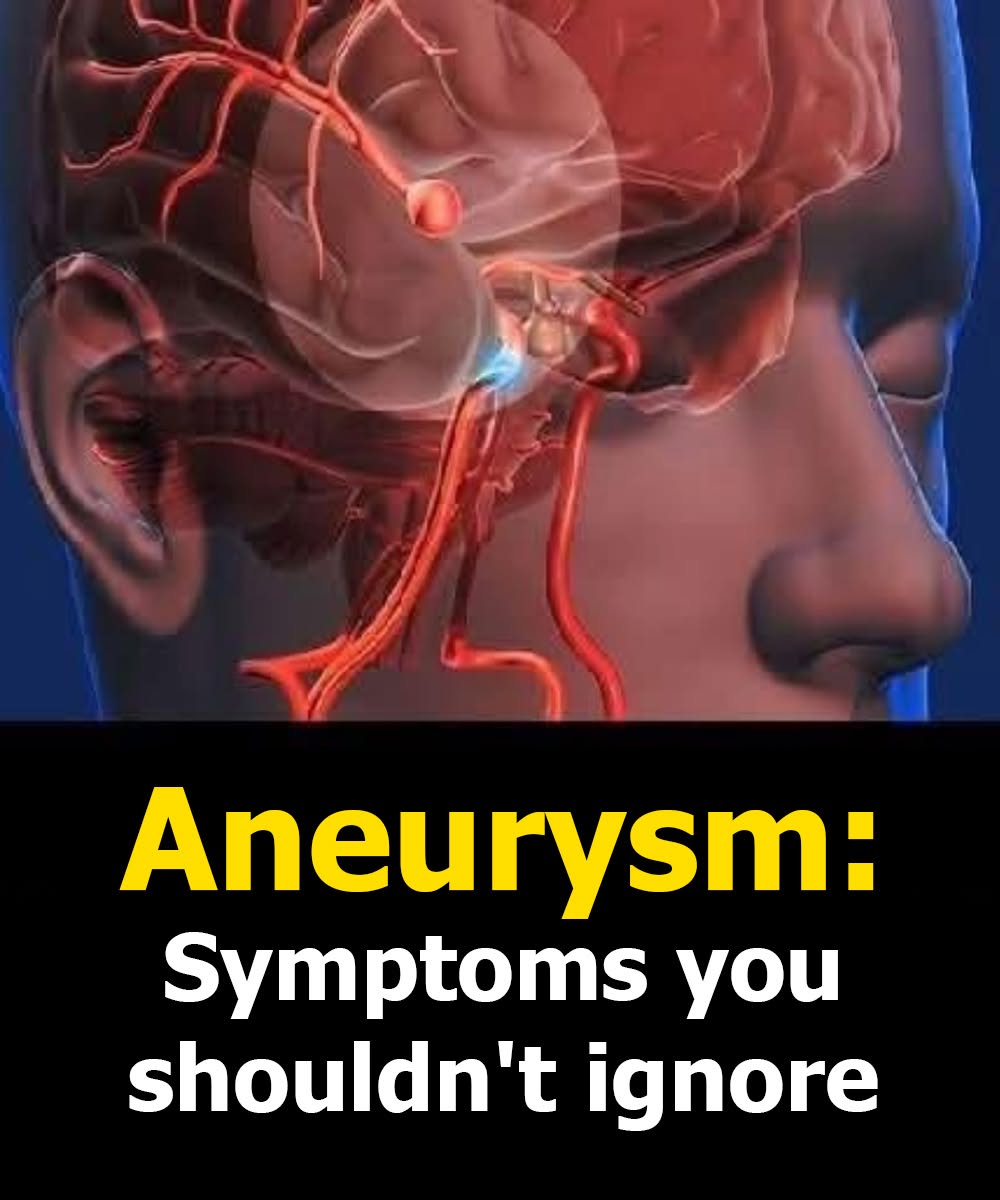
If rupture occurs in the brain, it may cause a subarachnoid hemorrhage — a life-threatening form of internal bleeding requiring emergency treatment.
What Happens Inside the Blood Vessel?
Scientists now understand that aneurysm formation involves several biological changes:
- Loss of collagen and elastin
- Chronic inflammation
- Weakening of vessel wall structure
- Abnormal blood flow patterns
Over time, these changes reduce the artery’s ability to handle pressure safely.
This is why monitoring aneurysms carefully is so important, even if symptoms are absent.
