
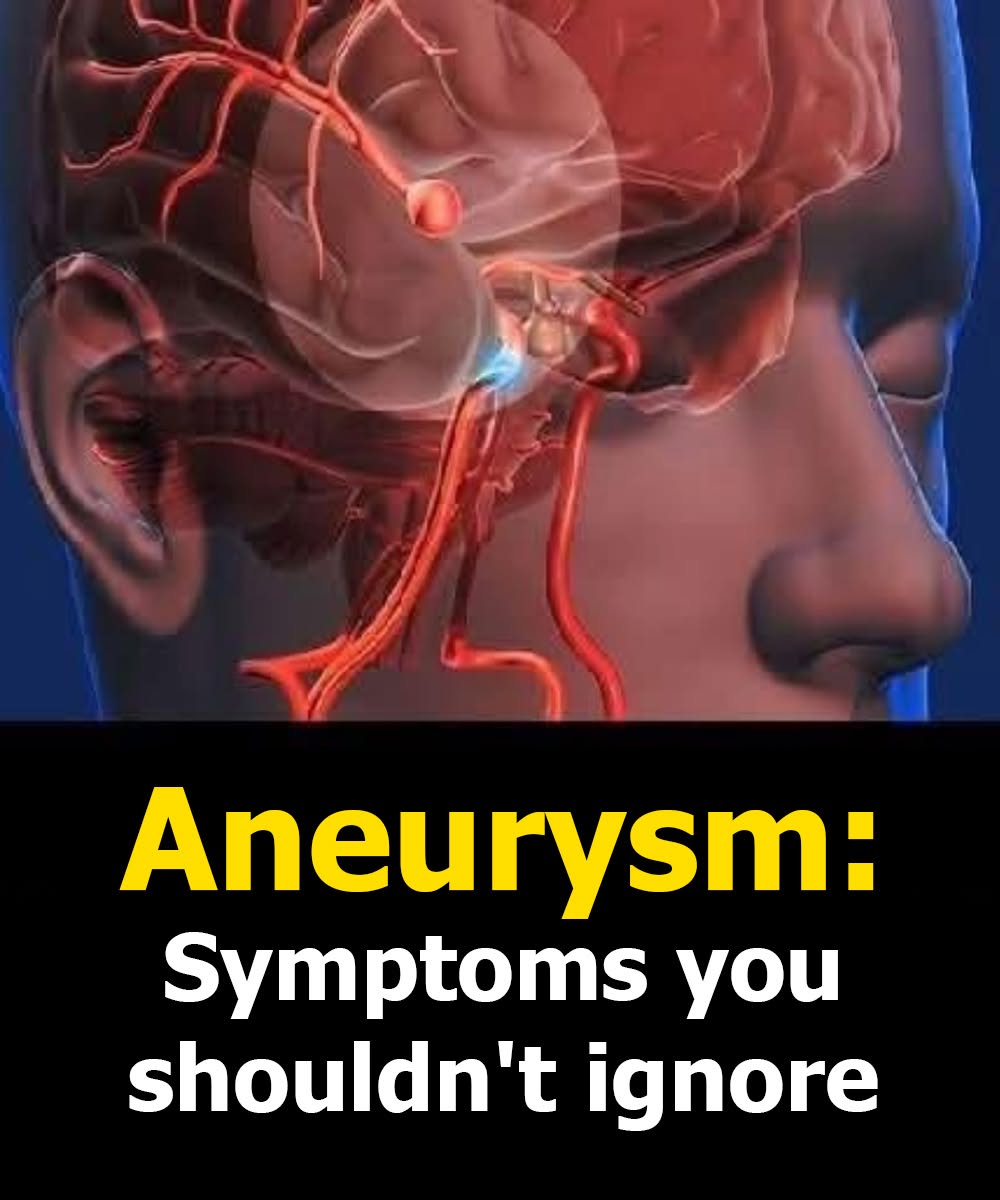
- Pain above or behind one eye
- Blurred vision
- Double vision
- Dilated pupil
- Drooping eyelid
- Numbness on one side of the face
- Weakness in facial muscles
These symptoms do not automatically mean an aneurysm is present, but they should never be ignored.
Myth 4: “Healthy People Don’t Need to Worry”
A person can appear healthy on the outside and still have an aneurysm developing silently.
This is partly because aneurysms often involve microscopic changes inside artery walls long before visible symptoms appear.
Contributing factors may include:
- Undiagnosed high blood pressure
- Inflammation
- Genetic predisposition
- Chronic stress
- Smoking history
This is why awareness and regular medical care matter, especially for people with family history or cardiovascular risk factors.
Do All Aneurysms Rupture?
Fortunately, no.
Many aneurysms remain stable for years and never rupture.
Doctors evaluate risk based on:
- Size
- Location
- Growth rate
- Wall integrity
- Family history
Depending on risk level, physicians may recommend:
- Regular imaging scans
- Blood pressure control
- Lifestyle changes
- Surgical clipping
- Endovascular coiling
