
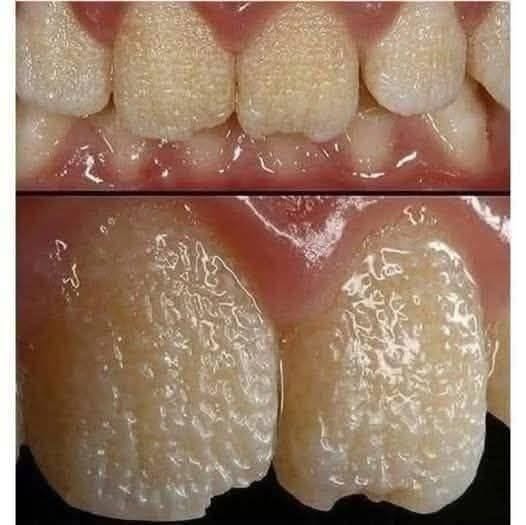
Cavities don’t appear overnight. They start as tiny weak spots where acid has damaged the enamel.
Over time, these weak spots turn into holes.
If untreated, cavities grow deeper, affecting the inner structure of the tooth and sometimes leading to severe pain or infection.
4. Bad Breath That Doesn’t Go Away
Persistent bad breath is often caused by bacteria buildup.
When food particles are not properly cleaned away—or when sugary and sticky foods are frequently consumed—bacteria multiply quickly and produce unpleasant odors.
Even brushing may not fully fix it if the underlying habits don’t change.
5. Weak and Chipped Teeth
As enamel continues to erode, teeth lose strength.
They become more fragile and prone to cracking or chipping even from normal chewing.
This is especially common in people who consume acidic drinks or hard, sugary foods regularly.
6. Gum Irritation and Bleeding
Poor diet doesn’t only affect teeth—it also impacts gums.
High sugar intake and lack of nutrients can lead to gum inflammation. Gums may become swollen, red, and may even bleed during brushing.
If ignored, this can progress into more serious gum disease.
🍬 The Everyday Foods That Quietly Harm Your Teeth
The biggest danger isn’t always candy or obvious junk food. Many common items you consume daily contribute to enamel damage.
🥤 Soft Drinks and Energy Drinks
These are among the most damaging beverages for your teeth. They contain both sugar and acid, creating a double attack on enamel. Even “sugar-free” versions can still be acidic.
🍞 White Bread and Refined Carbs
Foods like white bread, pasta, and pastries break down into sugars quickly in your mouth, feeding bacteria just like candy does.
🍭 Sticky and Chewy Sweets
Caramel, gummies, and sticky candies cling to teeth for long periods, giving bacteria more time to produce harmful acids.
🍟 Fast Food and Processed Snacks
Chips, crackers, and processed foods often contain hidden starches and sugars that stick between teeth and are difficult to remove.
☕ Coffee and Tea (with sugar)
While not harmful in moderation, frequent consumption—especially with added sugar—can lead to staining and contribute to enamel weakening over time.
😳 Why You Don’t Notice the Damage at First
One of the most dangerous aspects of tooth damage is how slowly it develops.
Your body doesn’t send immediate warning signals when enamel begins to wear down. There is no alarm, no obvious pain, and no visible change in the early stages.
That’s why many people only visit a dentist when the problem has already progressed.
By that point, treatment is more complicated and sometimes expensive.
