
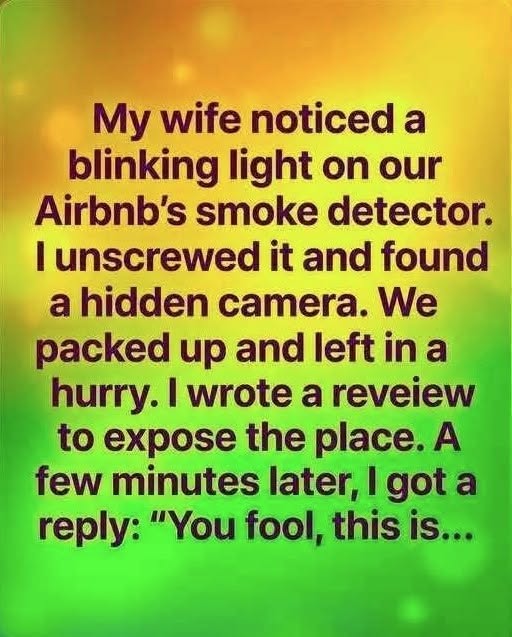
Legal Protections and Regulations Governing Privacy in Vacation Rentals
Privacy laws related to vacation rentals vary by country, state, and municipality. Many jurisdictions have enacted regulations requiring hosts to disclose any surveillance equipment on their properties and prohibiting recording in private spaces such as bedrooms and bathrooms. Additionally, rental platforms often have policies designed to protect guest privacy, including prohibitions on hidden cameras and requirements for transparent disclosure.
Travelers should familiarize themselves with local laws and platform policies relevant to their destination. Understanding these legal frameworks can help guests recognize when their rights may have been violated and guide them in seeking appropriate remedies. In cases of suspected illegal surveillance or privacy breaches, consulting legal experts or local authorities may provide clarity and support.
The Role of Rental Platforms in Enhancing Privacy and Safety
Major vacation rental platforms play a vital role in safeguarding guest privacy by establishing standards and enforcing rules for property listings. These platforms typically require hosts to disclose security devices and may monitor listings for compliance. They also provide mechanisms for guests to report concerns or violations, which can result in investigations, penalties, or removal of non-compliant properties.
Guests are encouraged to utilize platform resources, including customer support and review systems, to address privacy-related issues. Reading other travelers’ reviews can offer insights into the host’s transparency and the property’s adherence to privacy expectations. Platforms continue to evolve their policies in response to emerging privacy challenges, striving to balance host autonomy with guest protection.
Practical Tips for Conducting a Privacy Check Upon Arrival
Performing a discreet privacy check upon arrival can provide reassurance and help identify potential issues early. Travelers might consider the following steps:
- Visually inspect smoke detectors, clocks, and other electronic devices for unusual features such as extra lenses or wires.
- Look for small holes or lenses in objects that could conceal cameras, including alarm clocks, picture frames, or air purifiers.
- Use smartphone apps designed to detect hidden cameras by scanning for infrared lights or unusual network devices.
- Check for Wi-Fi networks with suspicious names or devices connected to the property’s network that are unfamiliar.
Being thorough yet respectful during this process helps maintain a positive relationship with the host while prioritizing personal security.
Understanding the Psychological Impact of Privacy Concerns on Travelers
Psychology
Concerns about privacy violations can cause significant stress and anxiety, potentially diminishing the enjoyment of a vacation. Feeling unsafe or monitored in a personal space undermines relaxation and trust. Awareness of these psychological effects underscores the importance of addressing privacy proactively.
Travelers who encounter privacy issues or even suspect them should consider seeking support from friends, family, or professional resources. Maintaining open communication with hosts and rental platforms can also help resolve concerns swiftly. Fostering a sense of control and taking practical measures can alleviate anxiety and restore confidence.
Future Trends: Privacy Innovations in the Vacation Rental Industry
The vacation rental industry is gradually adopting innovations aimed at enhancing privacy and security. For example, some properties now feature transparent privacy policies, third-party inspections, or digital logs of security device usage. Emerging technologies such as blockchain may offer new ways to verify property compliance and build trust.
Hosts and platforms are increasingly recognizing that privacy is a key factor in guest satisfaction and loyalty. As a result, investments in privacy-enhancing technologies and clear communication are likely to become standard practice. Travelers can expect ongoing improvements that prioritize their comfort and security.
Summary and Key Takeaways for Travelers
-
- Stay informed about the types of technology commonly used in vacation rentals and their privacy implications.
- Research local laws and platform policies related to surveillance and privacy.
- Conduct a respectful privacy check upon arrival, utilizing available tools and observational skills.
- Document and report any concerns promptly through appropriate channels.
- Maintain open communication with hosts and platforms to resolve issues effectively.
- Balance awareness with trust, understanding that most rentals prioritize guest privacy.
Communications & Media Studies
By embracing these practices, travelers can confidently enjoy the benefits of vacation rentals while safeguarding their privacy and well-being.
The Role of Host Education and Training in Privacy Protection
An often overlooked aspect of ensuring privacy and security in vacation rentals is the education and training of hosts. Many hosts are individuals or small business owners who may not have formal training in hospitality or security best practices. Rental platforms and industry organizations have increasingly recognized the importance of providing resources and guidance to help hosts understand privacy laws, ethical hosting behaviors, and the proper use of technology.
By participating in training programs or accessing educational materials, hosts can better appreciate guest expectations and legal obligations. This awareness helps reduce the risk of unintentional privacy breaches and promotes a culture of transparency. Furthermore, knowledgeable hosts are more likely to provide clear communication, disclose security measures upfront, and maintain their properties in ways that foster guest confidence.
Understanding Cultural and Regional Differences in Privacy Expectations
Privacy norms and legal regulations can vary significantly across different cultures and regions. What may be considered acceptable surveillance or monitoring in one country might be viewed as intrusive or illegal in another. Travelers should be mindful of these differences when staying abroad and research destination-specific privacy expectations.
