
Eating more fruits and vegetables.
Reducing excess sodium.
Maintaining a healthy weight.
Exercising regularly.
Limiting excessive alcohol intake.
The gut-health claim
The article’s discussion of fiber and resistant starch is plausible. Bananas, especially slightly green ones, contain resistant starch that can support beneficial gut bacteria. There is growing evidence linking gut health and cardiovascular health, but the direct effect on blood pressure is still being studied and is not as well established as the potassium effect.
Safety considerations
For most healthy people, eating one banana daily is safe and nutritious.
However, caution is warranted for:
People with advanced kidney disease.
People taking medications that can increase potassium levels, such as certain ACE inhibitors, ARBs, or potassium-sparing diuretics.
Anyone who has been specifically advised by a healthcare professional to limit potassium intake.
Bottom line
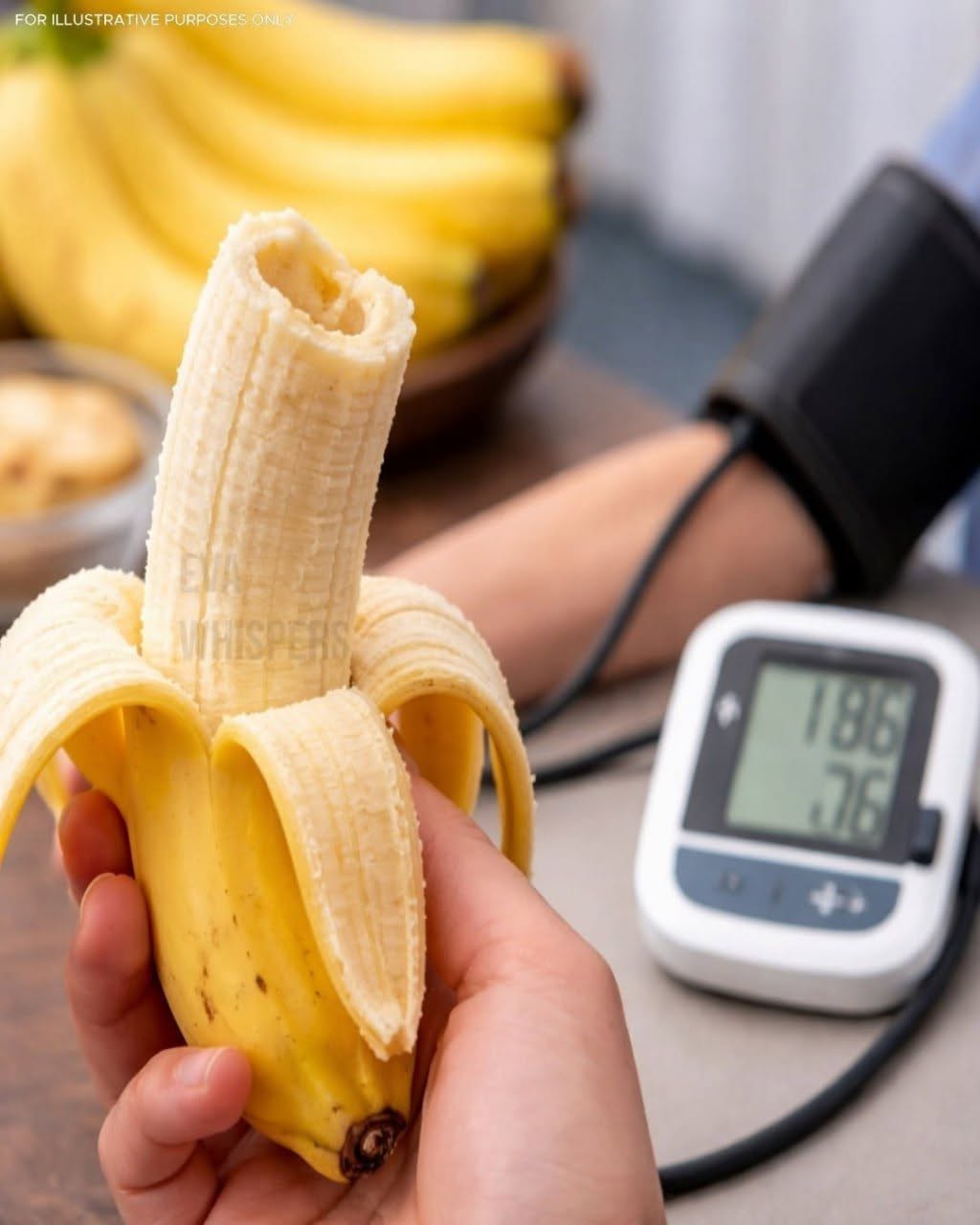
A banana a day is a healthy habit for most people and may contribute modestly to better blood pressure control because of its potassium, fiber, and other nutrients. However, it is not a treatment for hypertension, and its benefits are greatest when it is part of an overall heart-healthy lifestyle rather than relied upon as a standalone solution.
