
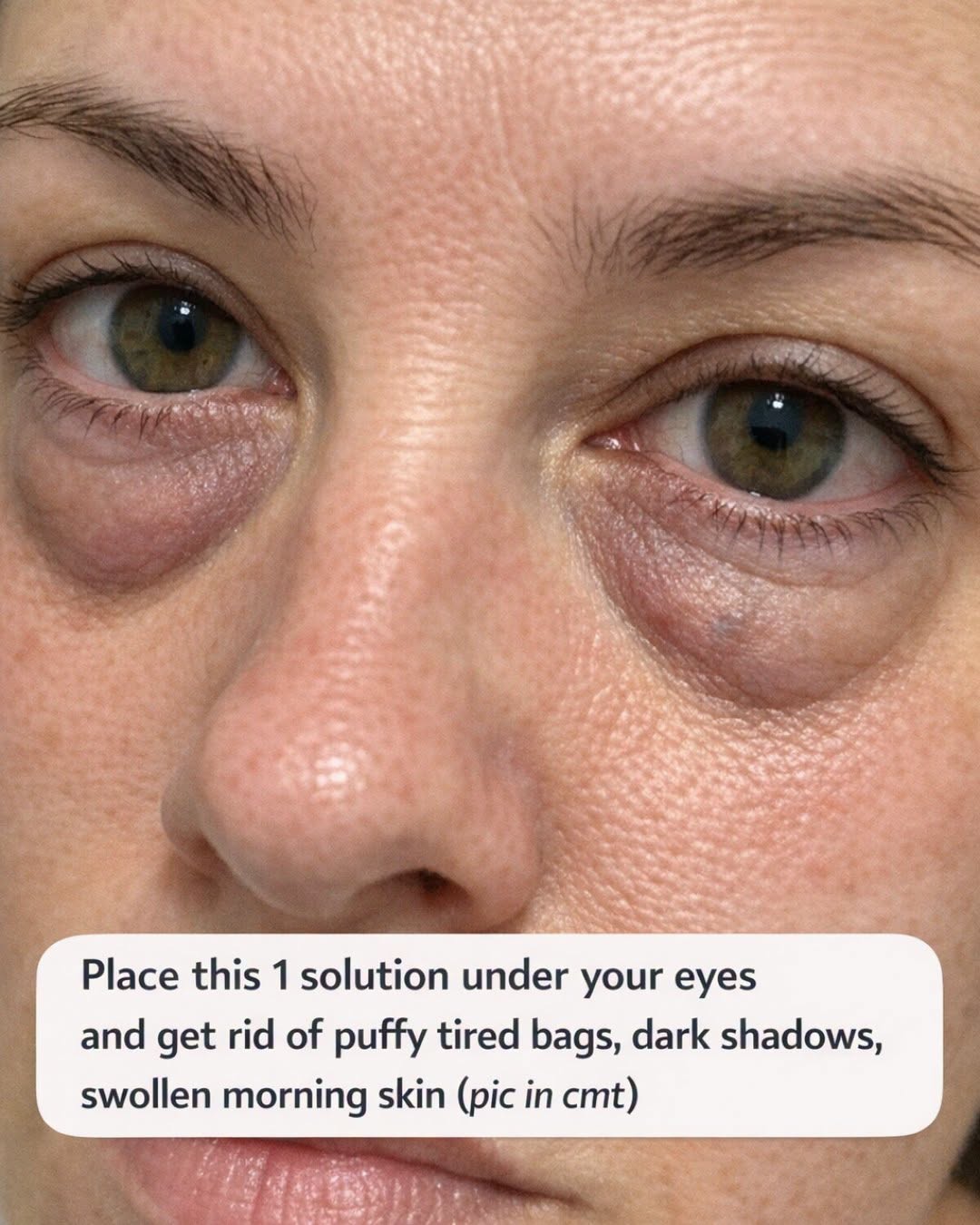
Cosmetics and skincare products also matter. Fragrance-heavy creams, strong acids, retinoids placed too close to the lash line, and harsh makeup removers can all irritate the eye area. If your under-eyes sting, burn, flake, or water, irritation may be part of what you are seeing in the mirror.
10. A simple 7-minute morning routine
Here is a practical routine I recommend. Minute 1: rinse your face with cool water. Minutes 2 through 6: apply a cold compress while sitting upright or slightly reclined. Minute 7: pat on a gentle moisturizer or eye cream, then use sunscreen around the orbital area if you will be outdoors.
If you want a little extra de-puffing, lightly tap from the inner corner outward for 20 to 30 seconds per side after the compress. Keep the motion gentle and do not drag the skin. This small routine is realistic enough to stick with, which is why it works better than complicated 12-step promises.
11. When chilled tea bags or cucumber slices are not the best choice
People love kitchen remedies, and I understand the appeal. I spend my days cooking, so I’m not against a clever household shortcut. But under the eyes, cleanliness and consistency matter more than novelty. Tea can contain compounds that may be soothing for some, but it can also drip, stain, or irritate sensitive skin. Cucumber feels refreshing mostly because it is cold and water-rich, not because it has unique powers.
If you use anything from the kitchen, it should be clean, plain, and cool. Personally, I think a fresh washcloth from the linen drawer beats a produce-bin experiment almost every time.
12. The best skincare ingredients for ongoing support
If puffiness is frequent, a morning product with caffeine can help temporarily tighten the look of the under-eye area. Use a tiny amount, about half a pea for both eyes. For discoloration, ingredients such as niacinamide, vitamin C, or azelaic acid may help over time, though they need weeks of consistent use and must be formulated gently.
At night, a basic fragrance-free moisturizer supports the skin barrier. If you use retinoids, keep them away from the immediate under-eye area unless a dermatologist tells you otherwise. Thin skin becomes irritated quickly, and irritation often makes darkness look worse before anything improves.
