
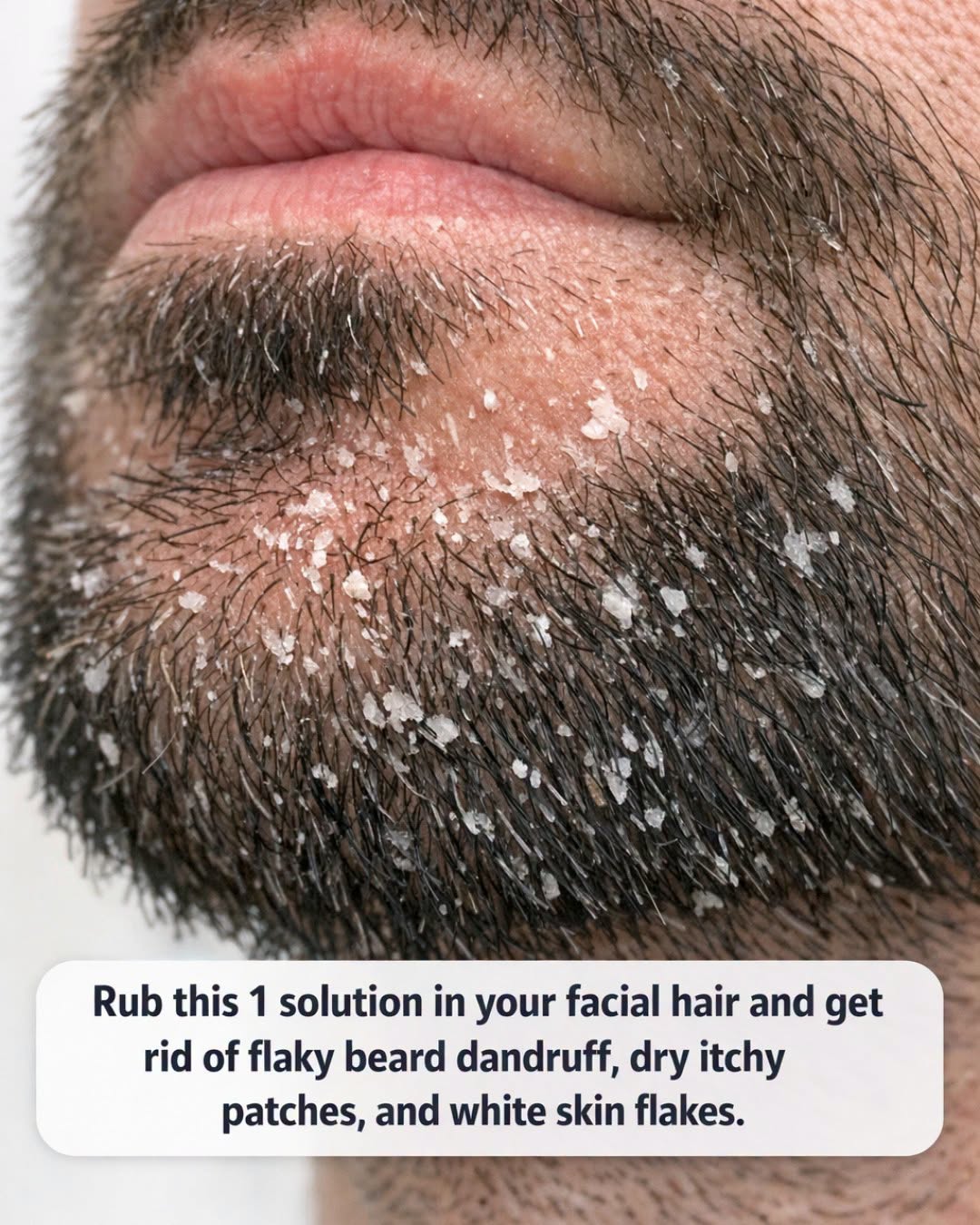
Beard flakes are not always simple dryness or seborrheic dermatitis. If you have sharply outlined red plaques with thick silvery scale, that can suggest psoriasis. If there are ring-shaped patches, broken hairs, or tender swollen areas, a fungal infection such as tinea barbae is possible. If bumps contain pus or are painful, folliculitis may be the issue instead.
Those situations need medical evaluation, especially if the rash is spreading, cracking, bleeding, or causing hair loss in patches. A dermatologist may recommend ketoconazole, ciclopirox, a low-strength steroid for short-term use, or another targeted treatment. Tea tree oil is helpful for some people, but it is not a cure-all.
13. A simple weekly routine that works for many people
Here is a practical schedule. Monday: wash beard with gentle cleanser, pat dry, apply 4 to 8 drops of the diluted tea tree mixture. Tuesday: rinse only, then apply 3 to 6 drops at night. Wednesday: wash again if needed after sweat or workouts, then apply the mixture. Thursday: rest day or plain jojoba oil only if dry. Friday: gentle wash, then oil blend. Saturday: soft brushing or light exfoliation for 20 seconds, then plain moisturizer or jojoba. Sunday: apply the blend at night if flaking is active.
That may sound structured, but consistency matters. In cooking, small repetitive steps are what make the difference between a decent result and a truly good one, and skin care is not all that different. Gentle routine beats aggressive rescue every time.
14. The bottom line on getting rid of white flakes in a beard
If you want one solid, practical solution, use a properly diluted tea tree oil blend in a light carrier such as jojoba and massage it into the skin under the beard, not just the hair. Start with 1 tablespoon of jojoba oil and 3 drops of tea tree oil, patch test it, use only a few drops per application, and stay consistent for 1 to 2 weeks.
Pair that with gentler washing, less heat, less scratching, and a little patience, and you have a very good chance of calming flaky beard dandruff, dry itchy patches, and white skin flakes. And if the skin is angry, painful, spreading, or not improving after 2 weeks, do not keep guessing. That is the moment to bring in a dermatologist and get the right diagnosis.
